

According to the Heart and Stroke Foundation of South Africa (HSF), 10 South Africans suffer a stroke every hour. One of the main causes of strokes in South Africa is the prevalence of high cholesterol levels. Unfortunately, 80 percent of deaths from heart disease in people under 60 are preventable through a healthy, balanced diet, regular exercise and avoiding smoking. And experts say it is possible to lower cholesterol naturally.
“Simple and consistent changes to our lifestyle can reduce our risk of heart disease,” says nutritionist Berna Harmse. “As South Africans, we should be more aware of cholesterol and heart health in general as we have a very high incidence of heart disease in our country.”
Can you lower cholesterol levels naturally?
It’s possible to lower cholesterol without medication, says Chantell Hayward-Zeelie, a clinical pharmacist, but “the extent depends on the person and their starting point.” If someone has moderately elevated cholesterol levels, lifestyle changes can lower this level, she says.
“In everyday life, healthier eating habits typically reduce low-density lipoprotein cholesterol (LDL or “bad” cholesterol) by about 10-15%,” says Hayward-Zeelie. “In clinical trials, more structured nutritional approaches (where multiple interventions are applied consistently and precisely) have achieved reductions of about 30%.” But Hayward-Zeelie emphasizes that these scenarios are more ideal than what happens in reality.
So, is there a reasonable and realistic way to lower cholesterol naturally? It’s possible, says Hayward-Zeelie, but you should think of it as a toolbox full of tricks rather than a silver bullet. “These improvements rarely come from a single change. They usually come from a series of small, sustainable habits that work together over time,” she points out.
However, the lifestyle has clear limits, says Hayward-Zeelie. “For very high cholesterol levels, particularly in genetic conditions such as familial hypercholesterolemia, lifestyle changes alone are usually not enough to bring levels into a safe range, and medication is often required to reduce long-term cardiovascular risk.”
READ MORE: 11 subtle signs of diabetes you should never ignore
Strategies to Lower Cholesterol Naturally
Stop smoking. Seriously
Smoking is often cited as a way to lower cholesterol. Even if it seems unrelated – smoke is not food – it is important to deal with it. “Smoking lowers HDL cholesterol and significantly increases cardiovascular risk,” explains Hayward-Zeelie. And yes, that also applies to vaping.
Know your fats
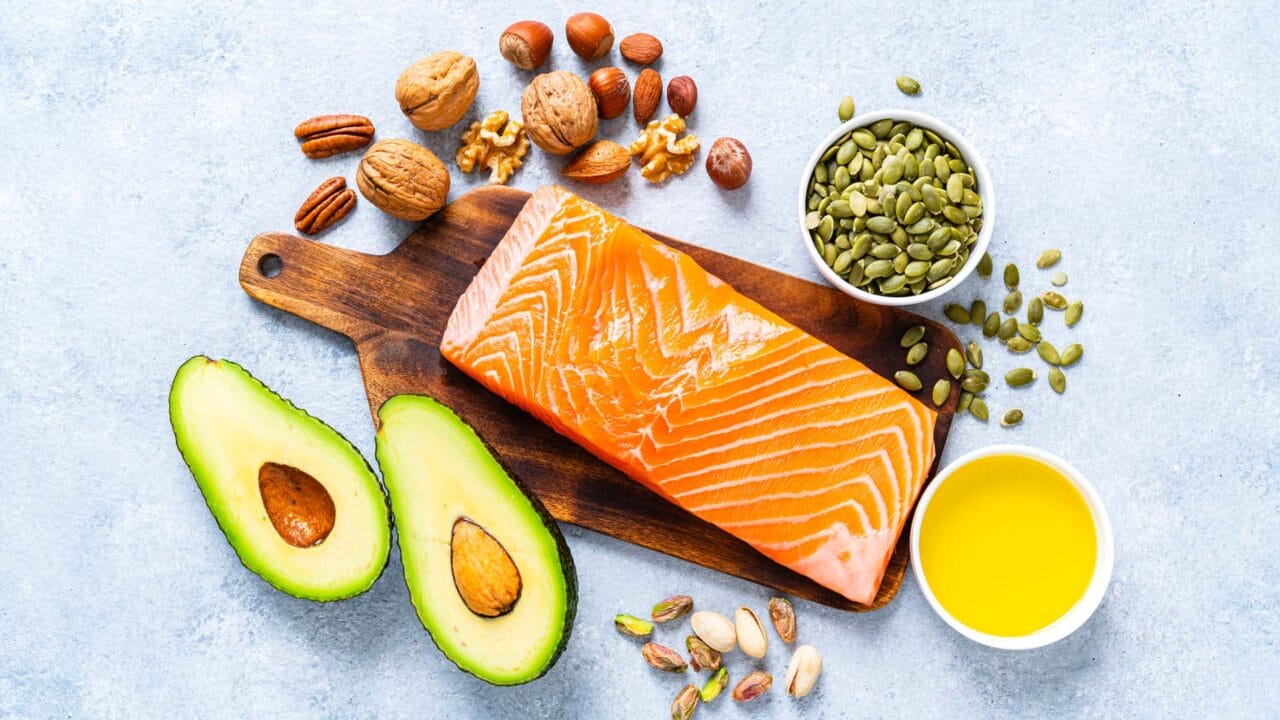
Saturated fats, such as those found in butter, whole dairy products, and fatty meats, should be avoided or at least limited because they can increase your cholesterol levels. Polyunsaturated and monounsaturated fats are healthier and are found in foods such as nuts, seeds, avocados, soft spreads and fatty fish.
Choose low-fat dairy products
Fat-free or low-fat milk, low-fat yogurt, and low-fat cheese are all better options. When cooking or making desserts, use low-fat yogurt instead of cream.
READ MORE: Cooked porcini mushrooms, raw onions and one-day remedies: Do folk remedies for flu work?
Opt for lean meat and fatty fish
Red meat can be high in unhealthy fats. Try replacing some meat with fish, chicken, beans and lentils. Eat fish like sardines, salmon, trout or herring, which are rich in heart-healthy omega fatty acids, once or twice a week.
Get plenty of fiber
Swap white bread and pasta for brown and whole grain breads. Oats, vegetables, fruits and legumes such as beans and lentils are also great sources of fiber.
Get your Five-A-Day
Eat a mix of fruits and vegetables to get the vitamins, minerals and fiber you need. The more colorful your meals are, the more likely you are to get the nutrients you need.
READ MORE: The health benefits of gardening
Include plant sterols
These are found in small amounts in everyday foods such as fruits, vegetables and grains. However, to achieve a significant cholesterol-lowering effect, you need to consume foods enriched with plant sterols such as Flora pro.activ.
Use oils instead of butter
Oils from seeds and nuts are rich in “healthy” fats. Instead of eating cakes and cookies, why not create your own mix of seeds, nuts and dried fruits to have a healthy snack right on hand?
Reduce salt
Don’t eat more than five grams of salt per day. Instead, experiment with herbs and spices and avoid salty snacks like chips, which are also usually high in bad fats that can raise your cholesterol.
“Small changes add up and ensure lifelong health – we’re all a work in progress. Try to limit fried and unnecessary calorie-laden fast food. Adding variety to our diet should be fun, not take away the joy of eating,” concludes Harmse.
