Have you ever looked in the mirror and thought, “Is that eczema or acne?”
If you have experienced both in the past, or if you’ve had family members with either, it’s easy to get confused. Both conditions can show up on your skin in ways that can look similar.
The good news is that they usually have some clear differences once you know what to look for. That matters because eczema and acne need different care. Using the wrong kind of product can sometimes make your skin feel worse instead of better.
What Is Eczema (And Is It Eczema or Acne You Have?)
Eczema—also called atopic dermatitis—is a skin condition where your skin gets inflamed, dry, and super itchy. Think of it like your skin’s protective barrier getting weak or damaged. When that happens, your skin freaks out and reacts to things that normally wouldn’t bother it, like certain soaps, fabrics, cold air, or even stress.
Eczema usually shows up as:
- Red, dry, or scaly patches of skin
- Intense itching (often worse at night)
- Skin that looks thick or leathery in spots
- Small bumps that may ooze or crust over
- Skin that feels raw or super sensitive to the touch
Eczema loves to hang out in places like the inside of your elbows, behind your knees, and on your hands, face, and neck. It can come and go in “flares”—meaning it gets bad for a while, then calms down, then comes back again.
Eczema is not contagious. You can’t catch it from someone else. It tends to run in families and is often linked to allergies and asthma.
What is Acne? (And Is It Eczema or Acne You’re Seeing?)
Acne is what happens when your pores get clogged with dead skin cells, oil (sebum), and sometimes bacteria. Your skin makes oil to stay healthy, but sometimes it makes too much, and that extra oil gets trapped inside a pore. When bacteria join the party, you get inflammation, and that’s when things like pimples and cysts show up.
Acne usually appears like:
- Whiteheads (clogged pores that are close to the surface)
- Blackheads (clogged pores that are open and darkened)
- Red pimples or pustules (the ones with the white tip)
- Deeper, red, swollen painful cysts or nodules under the skin known as inflammatory acne
- Oily-looking skin around the affected area
Acne tends to hang out on your face (especially the forehead, nose, and chin—the “T-zone”), but it can also show up on your chest, back, and shoulders. These are the areas that have the most oil glands.
Unlike eczema, acne is very closely tied to hormones. That’s why it often shows up during puberty, around your period, or during times of major stress. Bacteria play a big role too, as does inflammation.
Is It Eczema or Acne? How to Tell the Difference
Here’s the easiest way to compare these two conditions when you’re looking at your skin.
Texture
Eczema usually feels dry, rough, or scaly. Acne usually feels bumpy, with individual spots or clogged pores.
Itch vs. Breakouts
Eczema is often very itchy. Acne is more likely to cause pimples, blackheads, whiteheads, or painful bumps. Acne can be irritated, but intense itch points more toward eczema.
Pattern
Eczema often appears in patches. Acne usually appears as separate blemishes or clusters of blemishes.
Skin Type Area
Eczema can show up anywhere, often in areas that get dry or irritated. Acne is common in oilier places like the face, chest, and back.
Your Age
Eczema can start when you’re a baby and continue through life, though some kids outgrow it. Acne most commonly starts in the teen years when hormones kick in, though adults can get it too.
What Makes It Worse
Eczema may flare up when you use harsh soaps or fragrances, when you’re stressed out, or when you’re exposed to weather changes or irritants. Acne may flare with pore-clogging products, friction, hormones, or overly harsh skincare that irritates the skin.
Whether Thick Moisturizers Help or Hurt
If slathering on a thick moisturizer makes your skin feel calmer and better, it’s probably eczema. If it makes your skin break out more, acne is likely the issue.
How to Treat Eczema or Acne: The Right Approach for Each One
This is the part that’s really important. If you treat eczema like acne, you can dry it out even more. If you treat acne like eczema and use heavy or pore-clogging products, breakouts can get worse.
If It’s Eczema
The goal is to calm inflammation and repair the skin barrier.
Helpful habits:
- Use a gentle cleanser (no harsh scrubbing)
- Moisturize regularly, especially after showers and baths, and after washing hands
- Avoid products with fragrances or irritating ingredients
- Keep showers and baths lukewarm, not hot
- Avoid triggers—figure out what makes your eczema flare (harsh soaps, fragrances, certain fabrics, stress, heat) and minimize contact with those things
- Use gentle, non-toxic products—eczema skin is already irritated and sensitive, so use clean beauty products like CV Skinlabs’ products specifically formulated for sensitive skin conditions like eczema and acne inflammation.
For eczema flares, our Rescue + Relief Spray is a total game-changer. It instantly cools and soothes itchy, inflamed, burning skin. Dermatologists regularly recommend it for eczema symptoms. Spray it on for immediate relief, then follow with the Calming Moisture and the Body Repair Lotion to deeply hydrate and help repair your skin barrier.
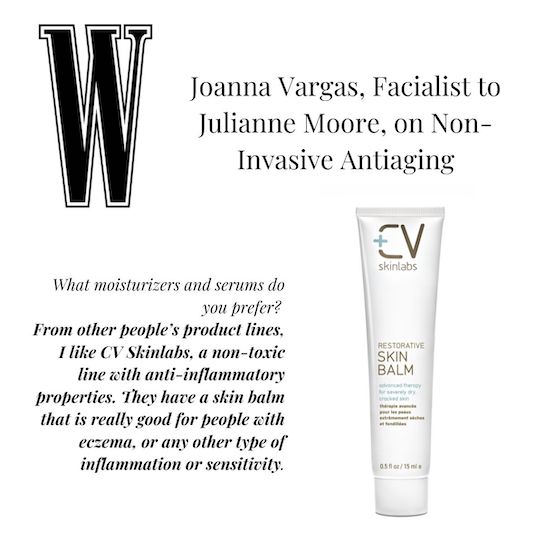
For drier, rougher patches, our Restorative Skin Balm is great for spot-treating areas that need extra moisture and healing support. All three products contain our exclusive Tri-Rescue Complex—a bland of turmeric, alpha-bisabolol, and reishi mushroom that fights inflammation and supports skin repair.
If It’s Acne
The goal is to clear clogged pores and reduce breakouts without over-irritating the skin.
Helpful habits:
- Use gentle, acne-friendly skincare, but cleanse consistently—at least twice a day; avoid scrubbing too hard
- Avoid picking or squeezing pimples
- Use non-comedogenic (won’t clog pores) products
- Don’t skip moisturizer—even oily, acne-prone skin needs hydration; skipping moisture makes your skin produce more oil to compensate
- Stick to lightweight, oil-free formulas
- Calm the inflammation
CV Skinlabs can also help acne-prone skin. Our Rescue + Relief Spray is oil free and contains antimicrobial ingredients, making it a great option for calming acne inflammation and soothing skin after breakouts. Our Calming Moisture is another good option, as it’s lightweight and helps calm redness without triggering breakouts.

I’m Still Not Sure?
It’s possible to have both acne and eczema at the same time. If you’re seeing dry, itchy patches and pimples, or if your skin is getting worse with what you’re trying, it’s smart to check in with a dermatologist.
You should get professional help if:
- You’re not sure whether it’s eczema or acne
- It’s painful, spreading, or severe
- It’s affecting your sleep or confidence
- The products you’re trying are making it worse
- You are frustrated and can’t seem to help your skin
A dermatologist can tell the difference and help you build a plan that treats the real problem.
Can you tell whether you have eczema or acne?
Featured image by Polina Tankilevitch via Pexels.