
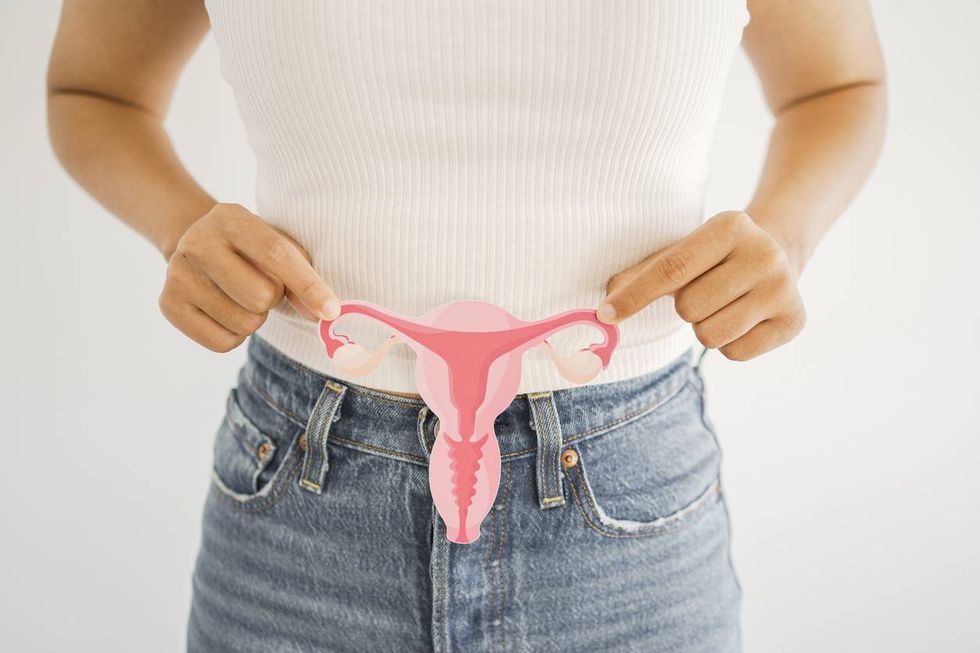

Menstrual cramps and heavy bleeding are often thought of as “just part of a period,” but they can also be signs that something is wrong with the health of your uterus.
If you have severe pain or heavy bleeding, it could indicate a health problem that needs treatment – rather than something you have to suffer in silence.
Knowing what is normal and what is not will help you take better care of your uterus and overall reproductive health.
Here are 10 signs that indicate good uterine health and what it might mean if you experience something unusual.
1. Your period comes on time
Your menstrual cycle begins on the first day of your period and lasts until the first day of your next period. Typically, a period occurs every 28 days. But it can also occur every 21 days or up to 35 days, which can all be normal if it’s normal for you.
Irregular or abnormal periods – such as cycles that start unpredictably, skip months, or occur more than once in your normal cycle – may occur due to breastfeeding or perimenopause. However, they can also be signs of conditions such as polycystic ovary syndrome (PCOS), pelvic inflammatory disease (PID), or uterine fibroids that require medical attention.
2. Your period lasts between two and seven days
A period usually lasts between two and seven days. If you bleed for more than seven days, you may be suffering from menorrhagia, or heavy menstrual bleeding. While menorrhagia is common, it can be linked to PCOS, fibroids, sexually transmitted infections (STIs), and even certain medications. Bleeding that lasts less than two days may be due to pregnancy, perimenopause, contraception, or certain lifestyle factors. It may also be related to conditions such as PCOS or thyroid disease. If you notice bleeding that is shorter or longer than normal, see your doctor.
3. Your flow is stable
A healthy menstrual flow means your period follows a predictable pattern without major changes in volume or duration. It may be stronger for the first day or two, but it will slowly subside. You shouldn’t have to soak a tampon or pad every hour or double up on protection.
Read: What is normal when it comes to menstrual bleeding? >>
4. They don’t pass many large blood clots
It’s normal to pass small blood clots – usually about the size of a dime or quarter – on your heaviest days. However, if you regularly have blood clots larger than a quarter and if they are accompanied by heavy bleeding, it may indicate a health problem.
Large blood clots can be a sign of thyroid disease, uterine polyps, fibroids, bleeding disorders or, in rare cases, uterine or cervical cancer. If this sounds familiar, you should mention it to your HCP.
5. Your menstrual cramps are manageable and short-lived
You can expect cramps during your period, especially in the first few days. This mild to moderate pain in the lower abdomen or back can usually be relieved with heating pads or over-the-counter pain relievers such as ibuprofen (Advil) or acetaminophen (Tylenol).
What is not normal is cramps that are so severe that they interfere with everyday life. This level of pain – known as dysmenorrhea (painful cramps) – can last for several days and cause sharp, throbbing pain. You may also experience nausea, dizziness or headaches. Dysmenorrhea can often be treated. Therefore, be sure to tell your doctor if you think your cramps are more painful than they should be.
6. You don’t feel any pain outside of your period
It’s normal to have cramps on the first or second day of your period, but pain that continues even after your period ends can be a warning sign. Persistent or irregular pelvic pain may be secondary dysmenorrhea, meaning it is caused by an underlying condition such as endometriosis, adenomyosis, or uterine fibroids.
7. You don’t bleed between periods
Light spotting just before your period starts is completely normal. However, bleeding that occurs between cycles is not typical and could be a sign of abnormal uterine bleeding (or menometorrhagia). This type of bleeding can be caused by hormonal imbalances, fibroids, medications, or rarely, cancer.
Take our quiz: True or False: Uterine Fibroids >>
8. During your period you will not feel dizzy, faint or short of breath
It’s OK to be a little tired or sluggish during your period, but it shouldn’t cause you to feel dizzy, faint, or gasp for air. These symptoms could indicate anemia – often associated with heavy bleeding – or other conditions such as dysmenorrhea, premenstrual dysphoric disorder (PMDD), or low blood pressure.
Some people may also experience shortness of breath due to a rare condition called catamenial pneumothorax. It occurs when air gets into the space between your lungs and the inside of your chest before or after your period starts.
If you experience lightheadedness or shortness of breath during your cycle, contact your doctor or seek medical help immediately.
9. You don’t get a fever during your period
Your body temperature fluctuates during your cycle due to hormonal changes – especially around ovulation. Some people suffer from what is known as “period flu,” a type of premenstrual syndrome (PMS) that can cause flu-like symptoms such as body aches, diarrhea, headaches, fatigue, and even a mild fever. These symptoms are usually manageable with rest and over-the-counter medications.
But a real fever — 100.4 degrees Fahrenheit or higher — is a big warning sign. It could be a sign of toxic shock syndrome (TSS), pelvic inflammatory disease (PID), or urinary tract infection (UTI).
If you develop a fever in addition to abdominal pain or just feel generally unwell, contact your HCP.
10. Your period does not affect your daily life
Mild to moderate cramping and bleeding can be uncomfortable but usually does not affect your daily life. But if your period often keeps you away from school, work, or other duties due to severe pain, heavy bleeding, or fatigue, that’s nothing to sneeze at.
Irregular periods can be a sign of PMDD or uterine diseases such as endometriosis or fibroids.
Periods shouldn’t affect your style
Periods shouldn’t be something you feel the need to push through. Paying attention to your body’s signals can help protect the health of your uterus and your overall well-being.
If any of these signs of normal uterine health are not your normal, be sure to speak to your HCP.
This educational resource was created with the support of Sumitomo Pharma America, Inc., a member of the HealthyWomen Corporate Advisory Council.
