
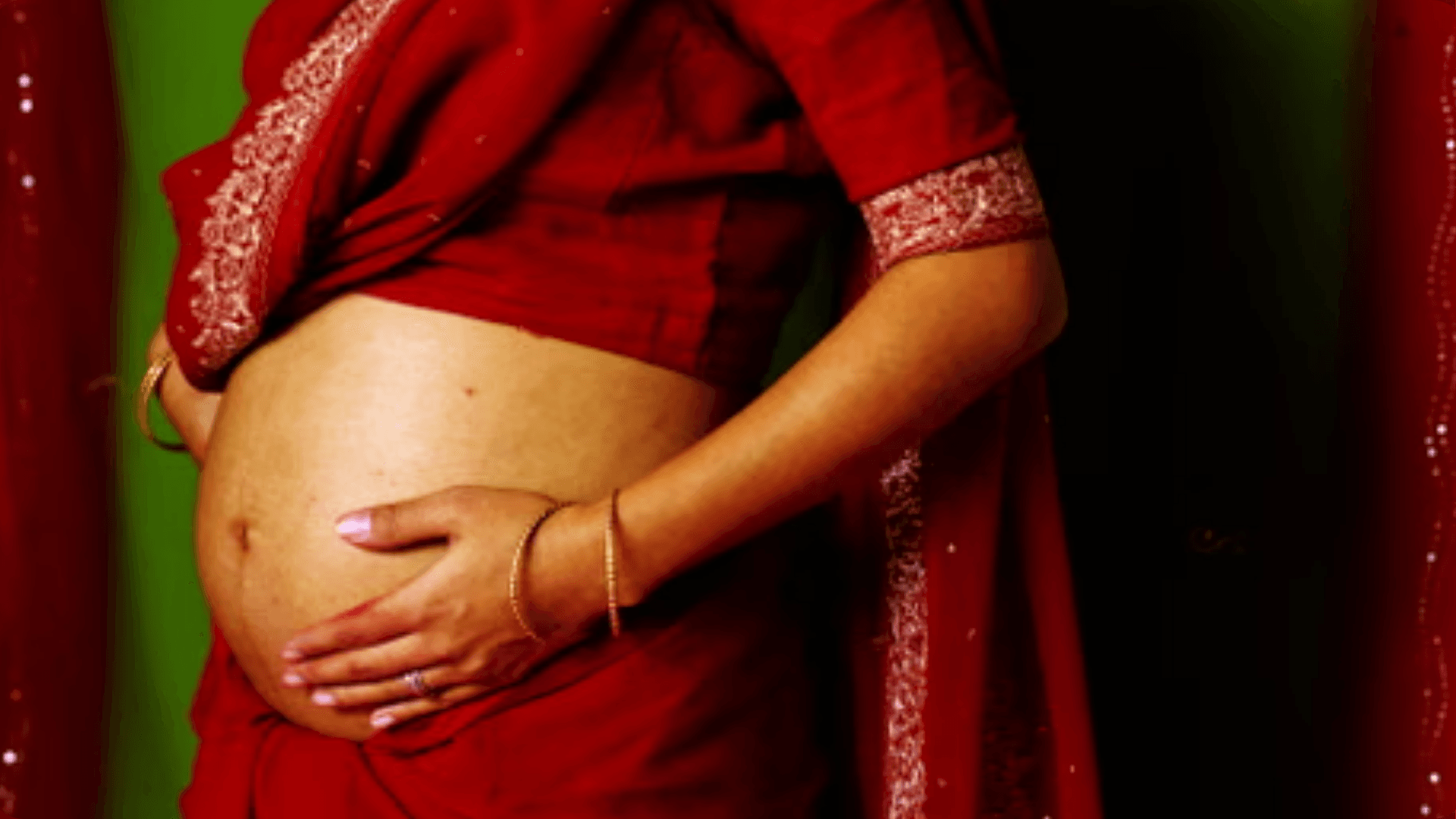

It is a well-known fact that men have long marginalized women. And as the Indian government pushes ahead with the Viksit Bharat 2047 mission, women are once again being sidelined in this initiative.
Proof of this is the fact that since May 2026, more than 20 women lost their lives during or after birth in hospitals across Rajasthan. Between May 5 and 17, five women died at a government hospital in Kota, the constituency of Lok Sabha Speaker Om Birla. The situation worsened in July when nine women died in government hospitals in Bhilwara and Banswara districts in just six days.
This grim trend shows no signs of abating. Most recently, on July 25, 2026, Nisha Meena lost her life after giving birth at a government hospital in Bundi. Given this situation, several questions inevitably arise: Why are women still excluded from basic health facilities at a time of rapid technological advancement? Why is a state like Rajasthan still unable to prevent maternal deaths? How is it possible that so many women have lost their lives due to negligence when this issue has not become a major election issue for any political party? It is also important to identify the reasons why governments are not making meaningful efforts to address high maternal mortality rates.
Maternal Mortality Rate (MMR) and the cause of maternal deaths
Despite large-scale programs and availability of necessary technology to prevent maternal deaths, the maternal mortality ratio (MMR) in India has not declined significantly. High maternal mortality rates remain a concern, particularly in India’s northern states.
India’s Maternal Mortality Rate (MMR) stands by 87 deaths per 100,000 live births. The state of Uttar Pradesh, which has the largest population in the country, has the highest MMR at 154 deaths per 100,000 live births Nutrition of India Report, 2025. Madhya Pradesh is in second place with 135 deaths per 100,000 live births. Odisha and Chhattisgarh share third place with 124 deaths each, while Rajasthan ranks eighth.
However, after a recent spate of more than 20 deaths in a row, Rajasthan is once again on the verge of matching Uttar Pradesh’s numbers. This situation persists despite the fact that at the turn of the century the Millennium Development Goals (MDGs) placed maternal and child health at the heart of the fight against poverty and inequality, framed it as a human rights issue and established the principle that no mother should die during the natural process of childbirth. Yet hundreds of thousands of mothers continue to die every year, mostly from preventable causes.
Apart from the negligence of the hospital administrations, the primary medical causes of maternal mortality These include bleeding (hemorrhage), severe anemia, obstructed labor, postpartum infection (puerperal sepsis) and other such complications. This is what investigations into recent incidents have shown fake oxytocin injectionsadministered that only contained water instead of the actual medication. This led to uncontrolled postpartum bleeding and death of the women. Although medical professionals are well aware that these causes can be managed through appropriate clinical and obstetric care and simple interventions, women continue to lose their lives.
It is a fact that in developing countries a pregnant woman is at risk of death 200 times higher than that of their counterpart in a developed country. In addition, pregnant women’s health is often neglected in the household and they may not receive adequate rest. This gradually weakens them greatly. Deficiencies of blood, platelets and essential nutrients at the time of delivery may also occur lead to her death.
Measures to curb maternal mortality
The Indian government has launched several programs to reduce maternal and newborn mortality and improve maternal health care. For example, the Janani Suraksha Yojana promotes institutional deliveries (hospital births), particularly among marginalized women. The Pradhan Mantri Matru Vandana Yojana provides maternity benefit for the first living child. The Janani Shishu Suraksha Karyakram ensures free delivery, medicines, diagnostic services, transportation, food and blood donation services in government facilities.
The SUMAN initiative provides free, high-quality care for mothers and newborns, while PMSMA provides free check-ups on the 9th of each month. Other measures include training doctors in obstetrics and anesthesia, implementing surveillance and review of maternal deaths, and organizing monthly village health, hygiene and nutrition days. Awareness campaigns, MCP cards, safe motherhood brochures and the RCH portal promote timely antenatal and postnatal care. Health infrastructure will be strengthened with improved abortion care services, designated delivery centers, primary referral centers, MCH departments and obstetric intensive care units/HDUs, ensuring better emergency care and comprehensive maternal care.
But despite all these measures, the situation is not improving because the cause lies in a way of thinking that resists change. In our patriarchal society, neither doctors nor family members consider women’s lives to be equal.
Despite being such a crucial issue, it has never significantly influenced politics as neither politicians nor political parties have prioritized women’s votes. In the first decades after independence, women’s voting decisions were often influenced or controlled by the men in their lives, while in recent decades women have increasingly been wooed through pre-election programs offering cash gifts. The reality is that if individuals or communities do not recognize the true value of their voices, there is little hope of improving their lives. Therefore, women must first recognize their rights and demand better healthcare from political parties and the government; Only then can meaningful change take place.
In addition, families must also take responsibility for caring for pregnant women at home, ensuring that they undergo regular check-ups and maintain healthy hemoglobin levels and other important health parameters. As the due date approaches, families should be prepared to take the expectant mother to the hospital at any time and without unnecessary risks. In principle, family members should make themselves available to care for the expectant mother during this crucial time and fully assume their responsibility.
Chandrika graduated from Lady Shri Ram College for Women and is currently pursuing her PhD in Political Science from Delhi University. Gender and women’s studies became her research interests since she came into contact with them.
