
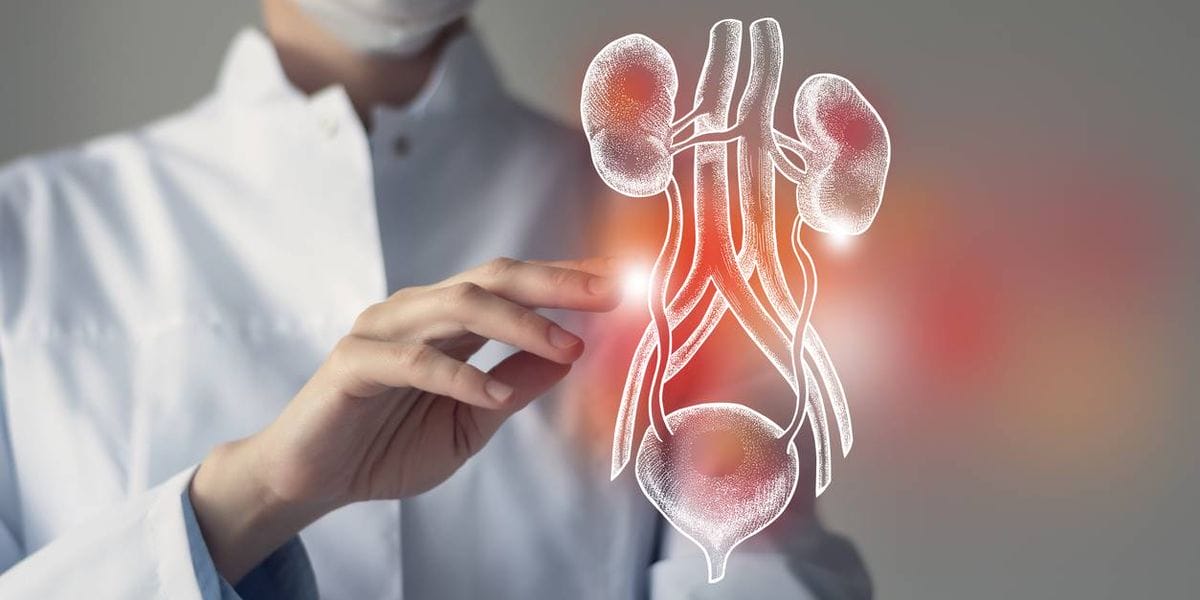

Primary hyperoxaluria (PH) is not just one disease, but a group of three rare genetic disorders: PH1, PH2 and PH3. They are linked to different genes and each one causes you to produce too much oxalate, a waste product your body produces.
About 8,700 people in the United States have PH, but most don’t know it. Among those diagnosed:
- 8 out of 10 have PH1
- 1 in 10 has PH2
- 1 in 10 has PH3
All types of PH can lead to painful kidney stones, often requiring a trip to the emergency room and sometimes surgery, but PH1 is the most damaging to your kidneys.
If someone has PH, their parents either had the disease or were carriers of one of the gene variants. PH can be seen in any racial or ethnic population, but each type of PH is more common in certain groups. PH1 is highest in individuals of East Asian ancestry, PH2 in individuals of South Asian ancestry, and PH3 in individuals of Ashkenazi Jewish ancestry.
Signs and symptoms of primary hyperoxaluria
Signs and symptoms of PH include:
- Frequent kidney stones
- Blood in the urine, called hematuria
- Painful urination
- Frequent urinary tract infections
- Stitching pain in the back, side or stomach
- Progressive kidney dysfunction leading to kidney failure
Additionally, oxalate can build up in other parts of the body. This is called systemic oxalosis. It could cause bone pain, fractures, heart problems such as irregular heartbeat (arrhythmias) and problems with your heart working properly, anemia, skin ulcers, vision problems, dental problems and muscle pain, and other problems.
PH1 is the most severe form and can occur in childhood. Most people with PH1 develop a serious kidney disease called end-stage renal disease (ESKD), and systemic oxalosis is more common. PH2 is less aggressive and although people with PH2 can develop ESKD, it is not as common. Finally, PH3 is the mildest form and ESKD is rare in this type.
PH symptoms change throughout life as they vary as the disease progresses and worsen as the oxalate causes more damage. It’s important to report any changes in your health to your healthcare provider (HCP) so you can figure out whether the symptoms are related to PH or something else.
Obtaining a primary hyperoxaluria diagnosis
Because it is unusual for children to have kidney stones, they should be checked for PH if they have one. Other reasons for PH screening include:
- Close relatives with PH
- Frequent kidney stones
- A family history of stone disease
The earlier PH is diagnosed, the greater the chance that PH will slow. To diagnose PH, your doctor will take a family history and your detailed medical history. Tests could include:
- Genetic testing
- Blood test for oxalate and estimated glomerular filtration rate (eGFR), which tells your doctor how well your kidney is working
- Imaging tests of your kidneys, such as ultrasound or computed tomography (CT).
- 24-hour urine collection – You deposit all urine passed within 24 hours
- Stone Test: If you have a stone, you have passed
- Kidney or liver biopsy (although not commonly used for diagnosis)
Treatment of primary hyperoxaluria
The treatment goal for people with PH is to prevent the buildup of oxalate and reduce damage to your kidneys and other parts of your body. Unless you have a condition (such as kidney damage) that limits your water intake, drinking large amounts of water and other fluids is one of the most important steps you can take. This dilutes oxalate in your urine, reducing the risk of kidney stones. Spreading this intake throughout the day helps your kidneys produce a consistent flow of urine.
Outside of high water intake, some people with PH1 consume vitamin B6, which can help lower oxalate levels. Two prescription injectable medications, lumasiran (Oxlumo) and nedosiran (Rivloza), can lower oxalate in people with PH1. Citrate medications can help prevent kidney stone formation in all types of PH.
People with PH are advised to avoid high amounts of vitamin C and therefore not to take supplements containing vitamin C. You should also avoid eating foods high in oxalates such as nuts, chocolate, spinach, and tofu. Talking to a nutritionist can help you figure out which foods are best for you to eat and which ones you should stay away from.
If the disease progresses, especially PH1, and you have ESKD, you will need dialysis or ultimately a liver and kidney transplant. Primary hyperoxaluria is a rare disease, but for those affected it is life-changing. Knowing how to recognize and treat the condition can make a big difference in how quickly the disease progresses and what to expect if it progresses.
resources
Oxalosis and Hyperoxaluria Foundation
This educational resource was created with support from Alnylam.
From your website articles
Related articles on the Internet
