When you think about foods for your skin health during the holidays, you probably picture things like salad and fruit, not pie, stuffing, and gravy.
It’s true that what’s on your plate can either support calm, glowing skin, or push it toward redness, dryness, and breakouts.
Fortunately, you don’t have to skip every treat to keep your skin happy. By understanding which holiday foods help your skin and which can hurt it, you can enjoy the season and still protect your complexion.
Below, we’ll walk you through the best and worst foods for your skin health and share how our CV Skinlabs products can help when your skin needs extra recovery.
Best Holiday Foods for Your Skin Health
1. Salmon and Fatty Fish: Omega 3-Rich Foods for Your Skin Health
Salmon, trout, and sardines often show up at nicer holiday dinners and buffets, which is great because your skin loves them! These fish are rich in omega-3 fatty acids, which play a key role in skin barrier health and moisture. Research suggests that omega-3 fats help support the skin’s natural barrier and reduce inflammation, which can mean less redness and dryness.
Why your skin benefits:
- Moisture from the inside out: Omega-3s help your skin hold on to water better, so it feels less tight and flaky in dry winter air.
- Calmer, less reactive skin: These healthy fats have anti-inflammatory effects, which may help reduce redness and sensitivity.
- Stronger skin barrier: A healthy barrier keeps irritants out and moisture in, which is crucial if you struggle with eczema, rosacea, or very dry skin.
Try adding baked or grilled salmon to your holiday meals, or even smoked salmon on whole-grain crackers as an appetizer.
2. Sweet Potatoes: Comforting Foods for Your Skin Health
Sweet potatoes are a holiday classic and a skin-friendly one. They’re packed with beta-carotene, which your body turns into vitamin A. Vitamin A supports normal cell turnover, which helps your skin shed old, dull cells and reveal fresher-looking skin beneath.
Why your skin benefits:
- Healthy cell renewal: Vitamin A is involved in how quickly your skin makes and replaces cells, helping to maintain a smoother surface.
- Built-in antioxidant protection: Beta-carotene helps neutralize free radicals from pollution and UV exposure, which can damage collagen over time.
- Gentle glow support: Enjoying foods rich in carotenoids is linked to a healthier-looking skin tone.
Go for baked or roasted sweet potatoes rather than dishes loaded with marshmallows and sugar.
3. Nuts and Seeds: Crunchy Foods for Your Skin Health
Holiday nut bowls and dishes topped with chopped nuts are more than just tasty—they’re full of skin-supporting nutrients. Walnuts, almonds, and sunflower seeds deliver healthy fats, vitamin E, zinc, and plant antioxidants.
Why your skin benefits:
- Vitamin E for protection: Vitamin E is a powerful antioxidant that helps protect skin lipids (the fats in your skin barrier) from damage.
- Essential fatty acids: Nuts and seeds contain omega-6 and some omega-3 fats that are important for normal skin function and appearance.
- Support for healing: Zinc found in many nuts (particularly Brazil nuts) and seeds helps your skin repair itself after irritation or dryness.
Sprinkle nuts over salads, vegetables, and oatmeal, and add them whenever you can to your desserts.
4. Berries and Cranberries: Antioxidant-Rich Foods for Your Skin Health
Cranberry sauce, berry salads, and fruit desserts can give your skin a boost, especially when they’re not drowned in sugar. Berries and cranberries are rich in vitamin C and other antioxidants. Vitamin C is essential for collagen production and helps protect skin from environmental damage.
Why your skin benefits:
- Collagen support: Vitamin C helps your body build and stabilize collagen, the protein that keeps skin firm and resilient.
- Brighter tone: Antioxidants help fight dullness caused by oxidative stress.
- Extra defense in winter: Cold weather, heaters, and pollution can stress your skin. Antioxidants add another layer of internal protection.
Choose cranberry dishes with less added sugar or enjoy fresh berries for dessert along with a small portion of your favorite pie.
5. Leafy Greens and Green Beans: Everyday Foods for Your Skin Health
Holiday meals that include salads, sauteed greens, or simple green beans give your skin important vitamins like A, C, and K. These nutrients help calm inflammation and support healing.
Why your skin benefits:
- Inflammation control: Leafy greens contain antioxidants that can hep your skin handle stress and irritation.
- Repair support: Vitamin C and other nutrients in greens help your skin rebuild itself after dryness or minor irritation.
- Hydrating fiber: The water and fiber content in vegetables support overall health and moisture levels, which often shows up as clearer, calmer skin.
Try adding a green salad, roasted Brussels sprouts, or steamed green beans to every big holiday meal. Aim to cover at least one-third of your plate with greens before you add heavier foods. Your skin (and your energy!) will thank you.
Worst Holiday Foods for Your Skin Health (and How to Recover)
Now let’s talk about the holiday foods for your skin health that are . . . not so helpful. You don’t have to avoid them completely, but it helps to be aware of how they may affect your skin and what you can do to balance things out.
1. Sugary Desserts and Drinks: The Toughest Holiday Foods for Your Skin Health
Pies, cookies, candy, hot cocoa, and sugary cocktails are everywhere this time of year. The problem is that high sugar intake can lead to “glycation,” where sugar sticks to collagen and elastin fibers in your skin, forming harmful compounds called advanced glycation end products (AGEs). These AGEs make collagen stiff and also make it harder for your skin to repair that collagen, leading to more wrinkles and loss of elasticity.
High-sugar diets have also been linked with more acne in some people.
How this shows up on your skin:
- More breakouts and clogged pores
- Duller, less bouncy skin over time
- More redness and inflammation, particularly in those with sensitive skin
Tips to help:
- Pair sugar with fiber or protein. Eating fruit or nuts with sugary treats can slow the blood sugar spike that leads to negative skin effects.
- Drink water between desserts. Even small sips help with hydration.
- Add antioxidants to your day, like berries or green green tea, to counter inflammation.
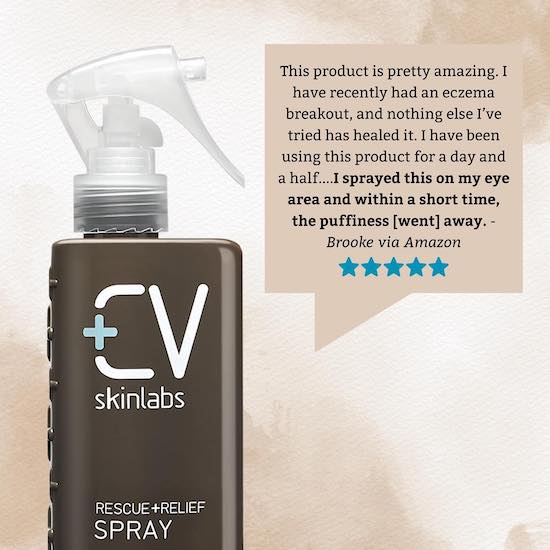
- Use CV Skinlabs’ Rescue + Relief Spray to calm redness when your skin feels reactive.
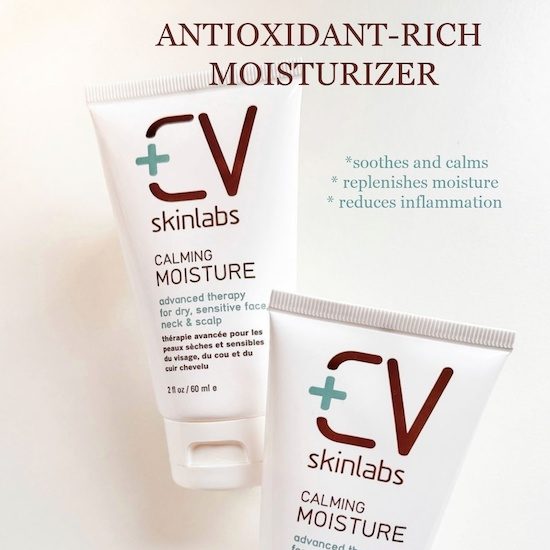
- Follow up with Calming Moisture to support your barrier after sugar-heavy days.
2. Fried Foods: Heavy Holiday Foods that Stress Skin Health
Fried latkes, turkey, mozzarella sticks, doughnuts, and crispy appetizers are holiday favorites, but they are often cooked in oils that promote inflammation. The heavy calories can also create digestive stress that then shows up on your skin.
How this shows up on your skin:
- A hot, flushed feeling
- More breakouts or congested pores
- Extra dryness because inflammation weakens the skin barrier
How to help your skin:
- Alternate fried dishes with raw or steamed vegetables to balance the inflammatory load.
- Drink plenty of water—fried foods can make skin thirsty.
- Take an omega-3 supplement or eat salmon in the same week to counter inflammatory oils.
- Apply Calming Moisture to soothe irritation and replenish lost hydration. It’s full of antioxidants and anti-inflammatory ingredients that will help reduce puffiness and calm skin.
- If fried foods cause a breakout cycle, ice your skin for 1-2 minutes at night to reduce inflammation. You can also keep our Rescue + Relief Spray in the refrigerator and mist whenever needed to calm inflammation.
3. Dairy-Heavy Dishes: Comfort Foods that Can Challenge Skin Health
Cheesy potatoes, creamy casseroles, whipped cream, eggnog, and holiday dips are delicious, but dairy is a common trigger for acne and redness in sensitive people. It may increase oil production or shift hormone balance slightly, making breakouts more likely.
How this shows up on skin:
- More clogged pores or whiteheads
- Red, inflamed blemishes
- Flushing or sensitivity on the cheeks
How to help your skin:
- Choose aged cheeses over cream-based dishes—aged cheeses tend to be less inflammatory.
- Try mixing dairy with non-dairy alternatives (like half oat milk, half cream) in recipes.
- Rinse your face after eating messy, cheesy dishes, especially if you tend to touch your face often.
- Use our Rescue + Relief Spray to instantly calm redness or irritation.
- If dairy tends to trigger breakouts in you, consider taking a zinc supplement (ask a healthcare provider first). Zinc helps support skin healing and may reduce the severity of your breakouts.
4. Salty Processed Meats and Snacks: Dehydrating Foods for Your Skin Health
Holiday ham, charcuterie boards, bacon-wrapped appetizers, sausages, chips, and pretzels all contain high sodium levels. Too much salt pulls water out of your skin, causing puffiness and dryness.
How this shows up on skin:
- Puffiness under the eyes or around the face
- A tight, dry feeling
- Extra-visible fine lines because the skin is dehydrated
How to help your skin:
- Drink one full glass of water for every salty meal—it helps dilute the sodium content in your body and encourages your kidneys to flush it out.
- Eat potassium-rich foods like bananas or sweet potatoes to balance the sodium intake.
- Use a cool compress under the eyes to reduce puffiness. You can also apply Rescue + Relief Spray to the under-eye area to instantly calm and reduce puffiness.
- Apply Calming Moisture or Body Repair Lotion frequently to bring back hydration to the skin’s surface. Regular use will help strengthen the skin barrier. If you suffer from eczema, rosacea, or very dry skin, Calming Moisture is a game changer.
- Try a humidifier at night if salty foods and dry winter air gang up on your skin.
5. Alcohol: A Common Holiday Habit that Affects Skin Health
Alcohol dehydrates the skin, dilates blood vessels, and generally makes the skin more sensitive. Wine, cocktails, and champagne also contain sugar, which adds another stressor to the skin.
How it shows up on skin:
- Redness and flushing
- A dry, dull appearance the next day
- Under-eye circles or puffiness
- More irritation of sensitive skin
How to help your skin:
- Drink a full glass of water for every alcoholic drink.
- Choose clearer alcohols (vodka, gin) over sugar cocktails—they tend to cause less skin inflammation.
- Eat before drinking to help your body process alcohol more slowly.
- Before bed, apply Calming Moisture and Body Repair Lotion to restore hydration and calm irritation and inflammation.
- Use a hydrating mask the next morning—look for formulas with aloe, hyaluronic acid, beta glucan, or oat extract—these are included in our CV Skinlabs products.
- If flushing is a problem, try sipping chilled water or placing a cool compress on your face to contract dilated vessels. Then, apply our Rescue + Relief Spray to aid in cooling, calming, and moisturizing.
Bringing it All Together: Smarter Holiday Foods for Your Skin Health
You don’t need a perfect plate to have good skin. Just aim to fill at least half of it with skin-friendly foods, then enjoy sugary, fried, and dairy-heavy foods in smaller portions if you like. Drink water often, and when the season takes a toll on your complexion, turn to CV Skinlabs to help your skin bounce back.
With a little awareness about the foods for your skin health and a few gentle, restoring products, you can enjoy the holidays and keep your skin glow going strong.
How do you protect your skin over the holidays?
Featured image by cottonbro studio via Pexels.