
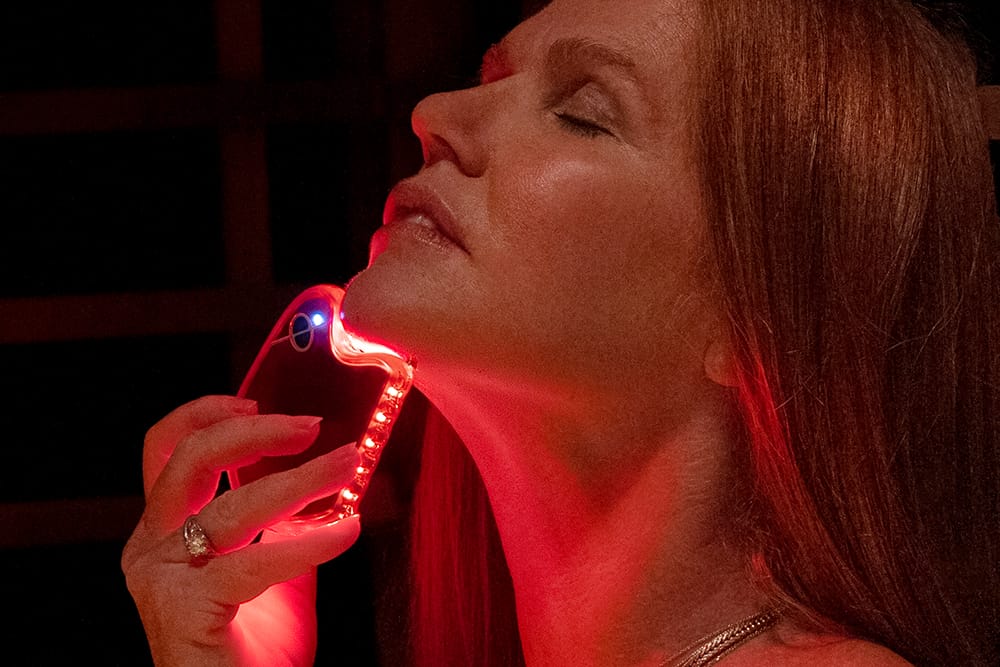

Look around the beauty world, and you’ll see red light therapy nearly everywhere. Once reserved for aesthetician and dermatologist offices, red light therapy is now much more widely available and only continues to grow.
You may think of red light therapy as masks or panels, but it turns out the popular treatment is expanding in unexpected ways, from hats for hair and scalp health to skin-care tools and much more. But do these new devices really work? And what benefits are they providing? Ahead, we dive into all that and more (including the basics on red light therapy) with a dermatologist. Read on to learn all about red light therapy and how it is continuing to evolve.
Featured experts
Why Red Light Therapy Is Everywhere Right Now
Red light therapy is a treatment that can be used for both skin and hair benefits. If you haven’t used it before, a red light therapy mask or panel may look like several bright red lights, but there’s more than meets the eye: It “uses specific wavelengths of light to penetrate the skin and stimulate cellular activity,” says Miami dermatologist Dr. Deborah Longwill. “It’s believed to help boost collagen production, reduce inflammation and support overall skin repair.” It can be used as part of an anti-aging, preventive or post-operative skin-care routine.
If those benefits alone aren’t enough to explain its popularity, another reason it continues to expand is that “it’s noninvasive, painless and can be used both in-office and at home as part of a regular skin-care routine,” says Dr. Longwill.
Red light therapy also delivers some surprising benefits. “Beyond improving the appearance of fine lines and skin tone, red light therapy can help calm inflammation, support wound healing and even improve post-procedure recovery,” says Dr. Longwill. “Many patients also notice benefits for conditions like redness and mild acne.”
New Red Light Therapy Innovations
By now, you’ve likely seen the countless red light therapy masks and panels out there—and maybe even some of the masks, hair tools and hats, like the CurrentBody LED Eye Mask ($250), SRI Labs DryQ Hair Dryer ($300), Dr. Dennis Gross DRx SpectraLite LipWare Pro ($148) or HigherDose Red Light Hat ($449).
But red light is continuing to push the boundaries. Now, you can bring it into your home in new ways, like the Lume Cube Edge Light Go ($200). It’s the first and only desk light with a red-light feature and offsets blue light to help boost melatonin production and regulate circadian rhythm.
Also, your jade gua sha isn’t just a jade gua sha anymore (though it still does the trick very nicely). ORA Method has introduced an LED Gua Sha ($269), which is FDA-cleared and merges traditional gua sha with red and infrared LED light therapy and gentle vibration. It works for both long- and short-term skin benefits, with just 10 minutes of use promoting brighter, more sculpted and refreshed skin for a less puffy, more defined look.
Meanwhile, HigherDose has brought red light therapy to the shower. Its new Red Light Showerhead Filter ($599) blends higher-intensity red light with a 10-stage water filtration system to offer full-body exposure without added steps while also helping boost glow, circulation and skin and scalp health.
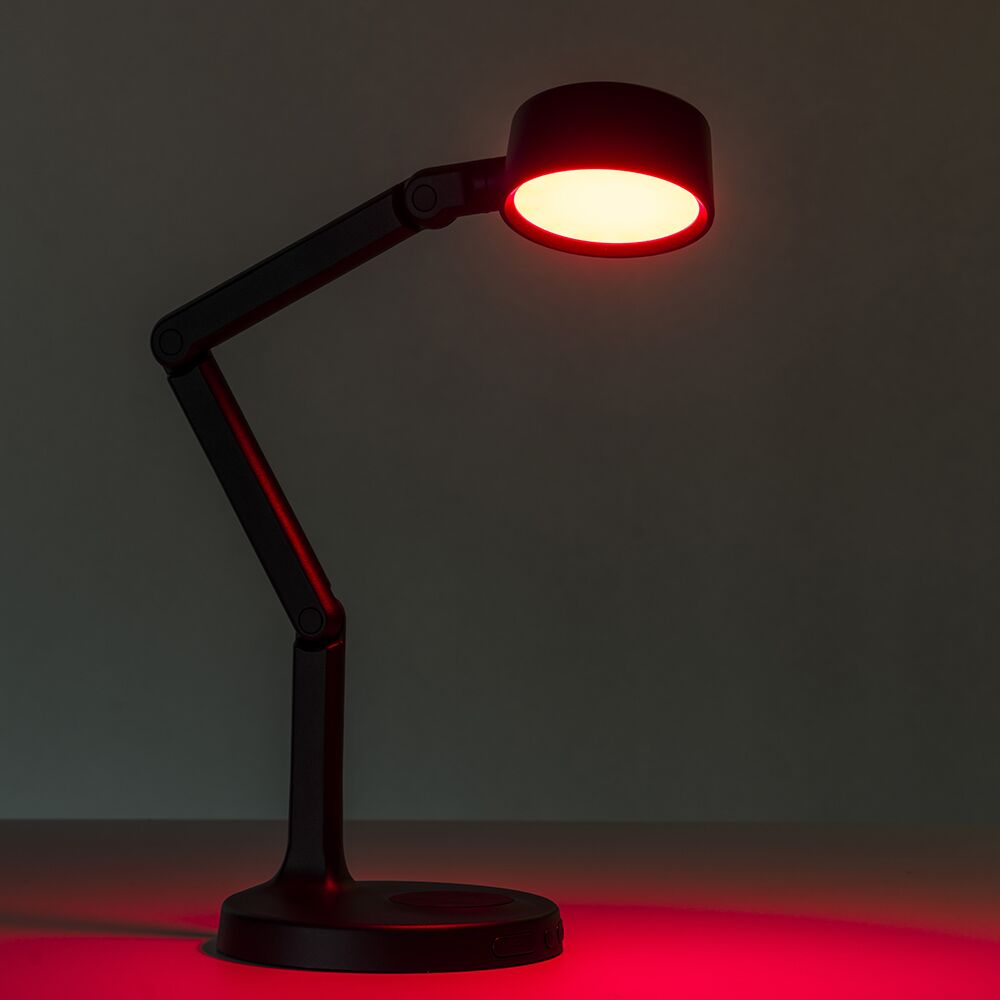
Edge Light Go
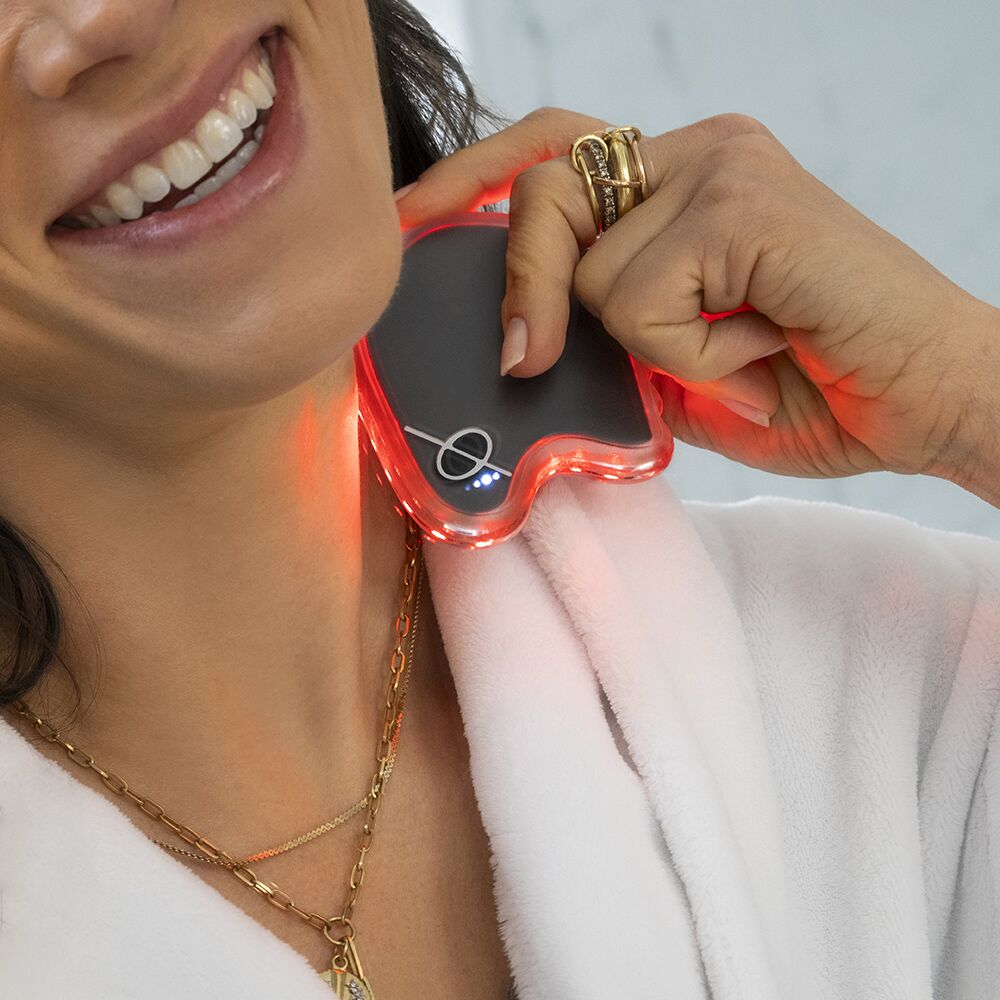
LED Gua Sha
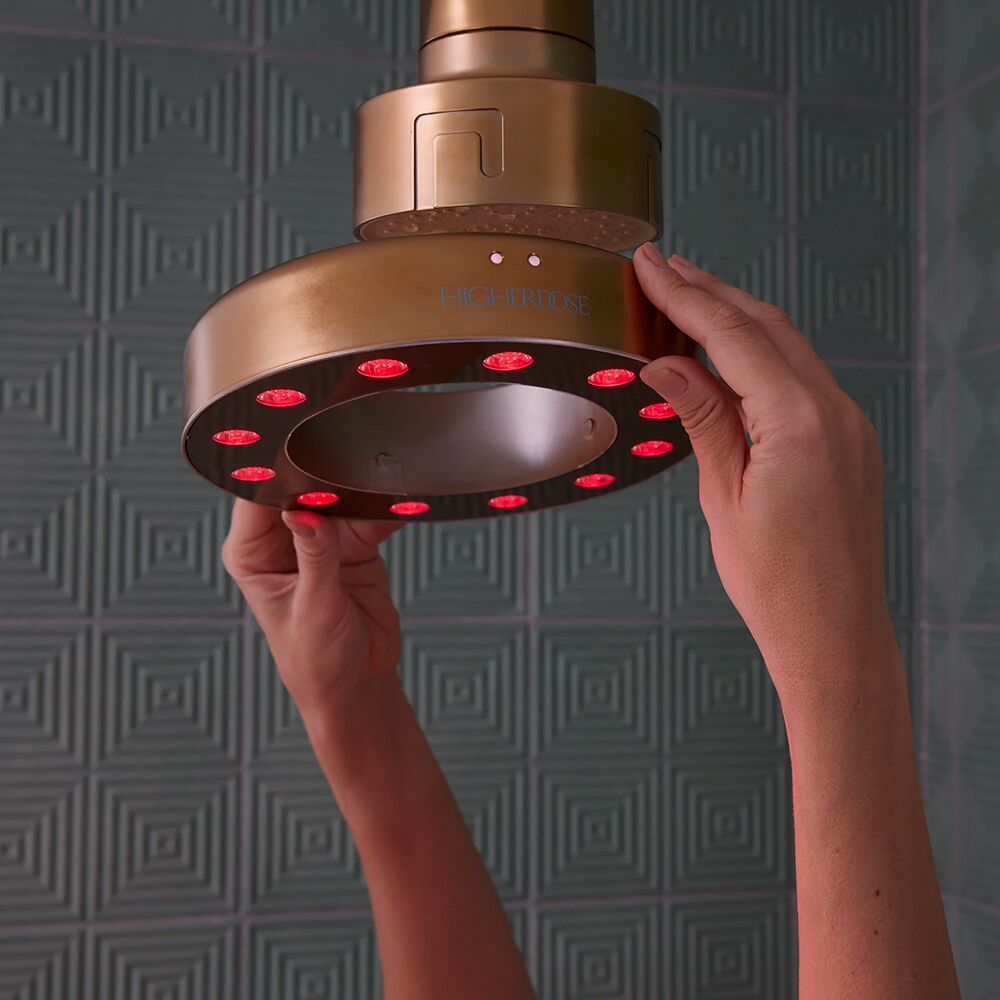
Red Light Showerhead Filter
Do These Red Light Therapy Innovations Work?
Your best option for results remains masks and larger panels. In general, those “tend to be more effective because they deliver consistent light coverage and energy across a larger area of the skin,” says Dr. Longwill.
But that’s not to say that the smaller innovations or other devices won’t work at all. “Smaller or novelty devices may still offer benefits, but they often have lower power output and treat a smaller surface area, so results can be more limited,” she says. This also means you may need to use the product more often and for longer to get the results you’re hoping for.
No matter what red light therapy device you use at home, consistency is key above all else. “Most at-home devices need to be used several times per week for about 10 to 20 minutes per session,” says Dr. Longwill. And it’s important to be patient during that time as well. “It typically takes at least four to eight weeks of regular use to start seeing visible improvements in the skin,” she adds.
Overall, some of these devices deliver more noticeable results, while others are more limited. “We’re seeing more red light incorporated into multi-functional devices, including treatments combined with microcurrent, facial massage or microneedling,” says Dr. Longwill. “There’s also growing interest in using red light for scalp health and hair growth, which has shown promising results.”
