

Video/Image
Voiceover/Audio
Living with nasal polyps
How this invisible illness affects your quality of life
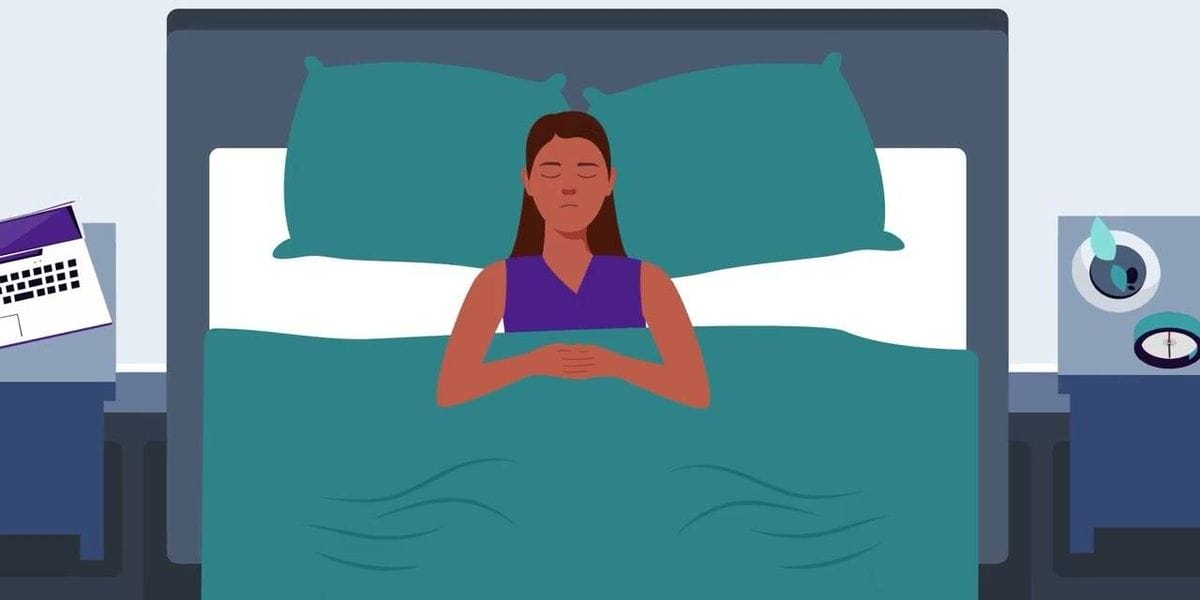
The sun rises, a woman sleeps in bed while the alarm clock rings on her bedside table
SUPER and ICONS:
Facial pain
Stuffy/runny nose
Loss of taste/smell
Headache
Narrator: What’s it like living with nasal polyps, an invisible disease that affects pretty much everything you do?
Nasal polyps are growths in the nose or sinuses. They cause symptoms such as facial pain, stuffy or runny nose, loss of smell or taste, headaches that can be severe, and more.
She reaches out and hits the snooze button
SUPER and ICONS:
Restless sleep
Sleep apnea
snoring
If you live with nasal polyps, your day may start out sleepy.
Nasal polyps can block your nose and sinuses at night, making it difficult to breathe and potentially leading to restless sleep, sleep apnea, snoring and other sleep problems.
Woman jogging slowly through a park, stopping to catch her breath
GRAPHIC:
Three female symbols, one of them shaded
Nasal polyps can make your morning workout more difficult.
One in three people with nasal polyps say the disease significantly limits their ability to exercise.
Woman pushes food around on the plate
You may not enjoy your breakfast or another meal because nasal polyps can affect your ability to smell and taste food.
Woman sits in bed and holds her head
If you’re not feeling well, you may miss work – which could negatively impact your finances.
Woman sits by the pool with a box of tissues while her family frolic and splash in the water
Even nice things like going on vacation are sometimes no fun when you have nasal polyps.
A woman stares into the mirror and a tear runs down her cheek
SUPER:
Inflammation leads to recurrence
8 out of 10 developed polyps again after the operation
Nasal polyps don’t just affect your physical health. They can also have a negative impact on your mental health, especially as they often recur after certain treatments due to underlying inflammation.
One study found that polyps recurred in 8 out of 10 people who had surgery to remove them.
Woman in a doctor’s office smiles while the doctor writes a prescription
The good news? There are medications to treat nasal polyps and prevent recurrence after surgery.
Talk to your doctor about which treatments might be right for you.
For more information, visit HealthyWomen.org
For more information, visit HealthyWomen.org
This educational resource was created with support from Sanofi and Regeneron.
