August is National Wellness Month, so it’s the perfect time to ask ourselves the question we rarely ask: Are the choices we’re making every day helping our skin, or hurting it?
We may be using a string of products we think are working for us, but are they really? And what about the rest of our daily habits? Are they “good” daily habits, or just things we fell into doing because we haven’t thought much about them lately?
This is a great month to schedule just a few minutes to look over your daily routine and see what you find. We’d suggest taking a piece of paper and splitting it into three columns: On the far left is the daily habit, then the next column is “good” and the last column is “bad” or “don’t know.”
Then, for each daily habit you do for the next week or two, put an X in whatever column it belongs in. Is it good for you, or bad for you—or aren’t you sure?
We’ll explore this more as we go through this post. Meanwhile, let’s give you a little more information to work with.
What is National Wellness Month All About?
National Wellness Month takes place every August. Live Love Spa created the observance in 2018 to encourage people to make self-care a priority and support their mental, physical, and emotional well-being.
To celebrate this month, people may drink more water, move their bodies, spend more time outdoors, practice mindfulness, improve their sleep, or follow a steadier and safer skincare routine. Live Love Spa also invites people to take a wellness pledge and choose small daily acts of care.
The goal is to notice where you’ve been running on empty—or even just “surviving”—and choose one or two habits that will help you feel better with more energy and vitality on a daily basis.
Why National Wellness Month Matters to Your Skin
As we’ve often said here at CV Skinlabs, your skin is part of your whole health. Our safe and nourishing formulas and effective solutions to bring about skin health, radiance, and inspiring skin confidence. Our products help protect and heal the outer barrier that helps hold water in, but it also keeps irritants out. When that barrier is cracked, dry, or inflamed, skin can not only feel and look bad, but it may also allow chemicals, pollutants, and other damaging things in where they can harm not only your skin, but the rest of your body.
A weakened or broken barrier can raise the risk of infection, for example, especially for people with eczema or other sensitive skin. So taking care of skin is about your overall health.
Then there’s your mental and emotional health to consider. How your skin looks and feels can have a major impact on your confidence and self-esteem. Caring for your skin in a way that helps it look its best is part of taking care of your overall confidence, which in turn can make you more likely to make healthy choices on a daily basis because you are practicing valuing yourself.
So “wellness” is definitely a word that we need to think about when we’re thinking of skincare.
What Research Says About National Wellness Month Habits
The research keeps pointing back to the same idea: Small daily choices can have real effects when you keep making them.
Mindfulness-based stress reduction, for example, which includes things like daily deep breathing, slow walks in nature, journaling, and meditation, has been shown to reduce stress, anxiety, and emotional distress in healthy adults. I’m a fan of sound baths, a meditative experience where you are immersed in soothing sound vibrations to promote relaxation, stress relief and emotional well-being.
Daily movement and exercise supports positive mood and sleep. A 2024 study, for example, found that walking reduced symptoms of depression and anxiety, while a separate analysis found that both individual exercise sessions and regular exercise improved several measures of sleep.
Better sleep then gives the body time to recover and helps regulate the hormones involved in hunger. In one controlled study, restricting sleep lowered levels of leptin, a hormone that helps signal fullness, while raising ghrelin, a hormone that increases hunger and appetite.
Even spending a little time outside may help. In a brain-imaging study, a one-hour walk in nature reduced activity in the amygdala, a part of the brain involved in the stress response, while a walk along a busy street did not. Earthing is the practice of connecting with the earth’s natural electric charges by walking barefoot outside to improve well-being and to feel grounded.
No single wellness habit is going to change everything, but together, small daily choices can shape how we feel, think, sleep, eat, and care for ourselves in the long term.
7 National Wellness Month Habits That Focus On Your Skin
So what does all this mean for your skin?
Go back to the three-column habit chart you started earlier. As you read through the ideas below, think about which ones you may already do, which habits you have now that may be working against you, and which habits—here or elsewhere—that you haven’t considered before.
Then choose one or two new habits that feel easy enough to repeat and give them a try for the next couple of weeks. When that period is over, come back to your chart and record what you found out.
1. Use National Wellness Month to Support Your Skin
We talked previously in this article about the value of sleep, exercise, time outdoors, and stress relief. Choose one of those habits and make it specific.
Instead of saying, “I need to exercise more,” decide that you’ll walk for ten minutes each day after lunch. Rather than promising yourself eight hours of perfect sleep, turn off your phone twenty minutes earlier. Take five slow, deep breaths before starting your evening skincare routine, or sit outside with your morning coffee.
Choose one inside-out habit your skin can benefit from and give it a regular place in your day.
2. Make Daily Sunscreen Part of National Wellness Month
If sunscreen is something you apply only at the beach, this may be the most important habit you change this month.
In a randomized study of more than 900 adults, those who used sunscreen every day showed 24 percent less skin aging after four and a half years than those who used it only when they felt it was necessary. The daily-use group showed no detectable increase in skin aging during the study period!
Choose a broad-spectrum, water-resistant sunscreen with an SPF of at least 30. The safest options include zinc oxide and titanium dioxide.Put it beside something you already use every morning, like your toothbrush or moisturizer. Apply it to your face, neck, chest, and any other exposed skin.

3. Keep Your Hands Off Your Skin
Most of us touch our faces more than we realize. We lean our chin into one hand, scratch at rough patches, squeeze blemishes, and run our fingers over any bump that appears.
Unfortunately, picking and squeezing increases inflammation and can raise the risk of infection and lasting scars.
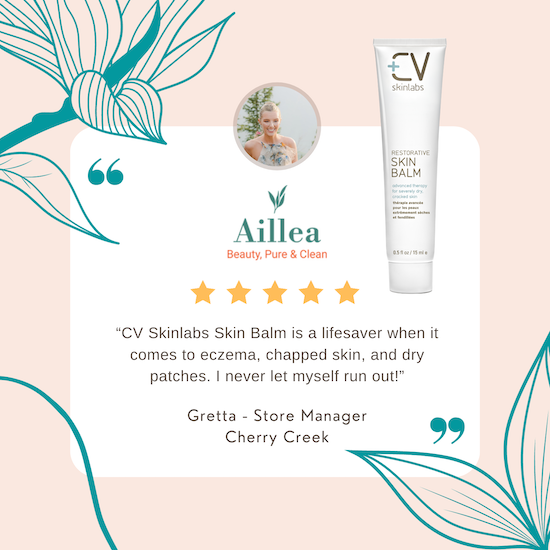
For the next week, simply notice when you do it. Once you know the trigger, make it harder. Keep your nails short, or give your hands something else to hold. When a dry spot tempts you to scratch or peel it, apply a small amount of our Restorative Skin Balm instead. It helps protect and soften rough, dry areas so they are less tempting to bother.
The habit here is simple: When you notice your hands going toward your skin, pause and ask yourself what else you can do instead.
4. During National Wellness Month, Clean Your Beauty Tools
How long has it been since you cleaned your beauty tools?
Probably longer than you think.
One study found bacterial contamination in 79 to 90 percent of the used cosmetics researchers tested. Beauty blenders in particular carried high bacterial loads, and some of the samples contained organisms like Staphylococcus aureus and E. coli. Many of the sponges had never been cleaned and were stored damp.
Get into the habit of rinsing reusable sponges after every use and allowing them to dry completely. Use a clean washcloth on your face, and never share makeup or applicators.
Makeup brushes don’t have to be washed every day, but the American Academy of Dermatology (AAD) recommends cleaning them every 7-10 days. Put a repeating reminder on your phone so you don’t forget.

5. Feed Your Skin During National Wellness Month
What you eat can have a big impact on how your skin looks and feels, because your skin depends on the nutrients you give it from within.
Research suggests that the overall quality of your diet may show up on your face. In a study of more than 2,700 adults, women who more closely followed healthy eating guidelines had fewer wrinkles. A diet higher in fruit was also associated with fewer wrinkles, while a pattern higher in red meat and snack foods was associated with more.
An earlier study followed 453 older adults living in Australia, Greece, and Sweden. Those who ate more vegetables, legumes, and olive oil had less sun-related skin wrinkling, while diets higher in foods such as meat, dairy products, and butter were associated with more skin damage.
You don’t have to follow a strict “beauty diet” or hunt down one miracle food. Try making one small improvement to a meal you already eat. Add more vegetables to dinner, put berries or nuts on your breakfast, and include a good source of protein at lunch. Over time, these small changes can help you build a diet with more of the nutrients your skin needs.
6. Use National Wellness Month to Learn Your Skin’s Patterns
Our skin gives us information every day, but it can be hard to spot a pattern when we’re not really paying attention to it.
Try this: For two weeks, write one sentence about your skin at the end of each day. You might write, “My cheeks felt hot and tight after my afternoon walk,” or “My hands were less dry today because I used lotion after washing them.”
Include any product you started, stopped, or used more often. Note any unusual sun exposure, sweating, stress, poor sleep, or anything else that may have affected your skin.
After a couple of weeks, look back. You may discover that your redness appears after hot showers, your skin feels better when you apply a certain type of moisturizer, or that you’re waking up with red and inflamed skin.
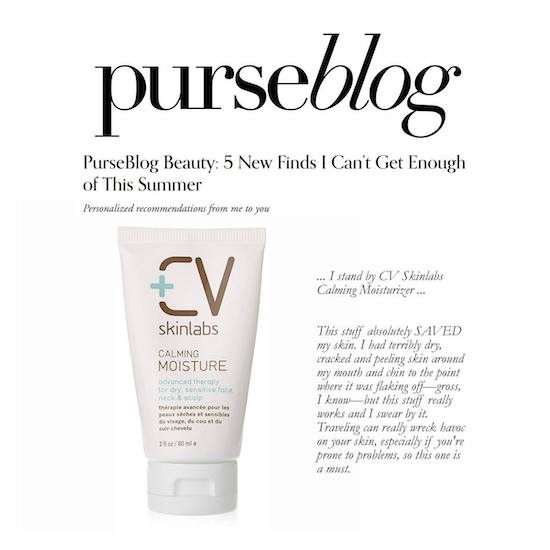
Then turn what you’ve learned into a small, targeted habit. Keep nourishing skin care like our Body Repair Lotion beside the sink for your hands. Carry Rescue + Relief Spray if heat or time outdoors leaves your skin feeling flushed and uncomfortable. Restorative Skin Balm is a quick cure all for lips, cuts, dry patches and eczema breakouts. Try Calming Moisture for your face to soothe stress, and dryness and give your skin a glowing confidence boost.
This is what National Wellness Month is really about. Pay attention to what helps you feel well, then make a little more room for that in your life.
Featured image by olia danilevich via Pexels.