
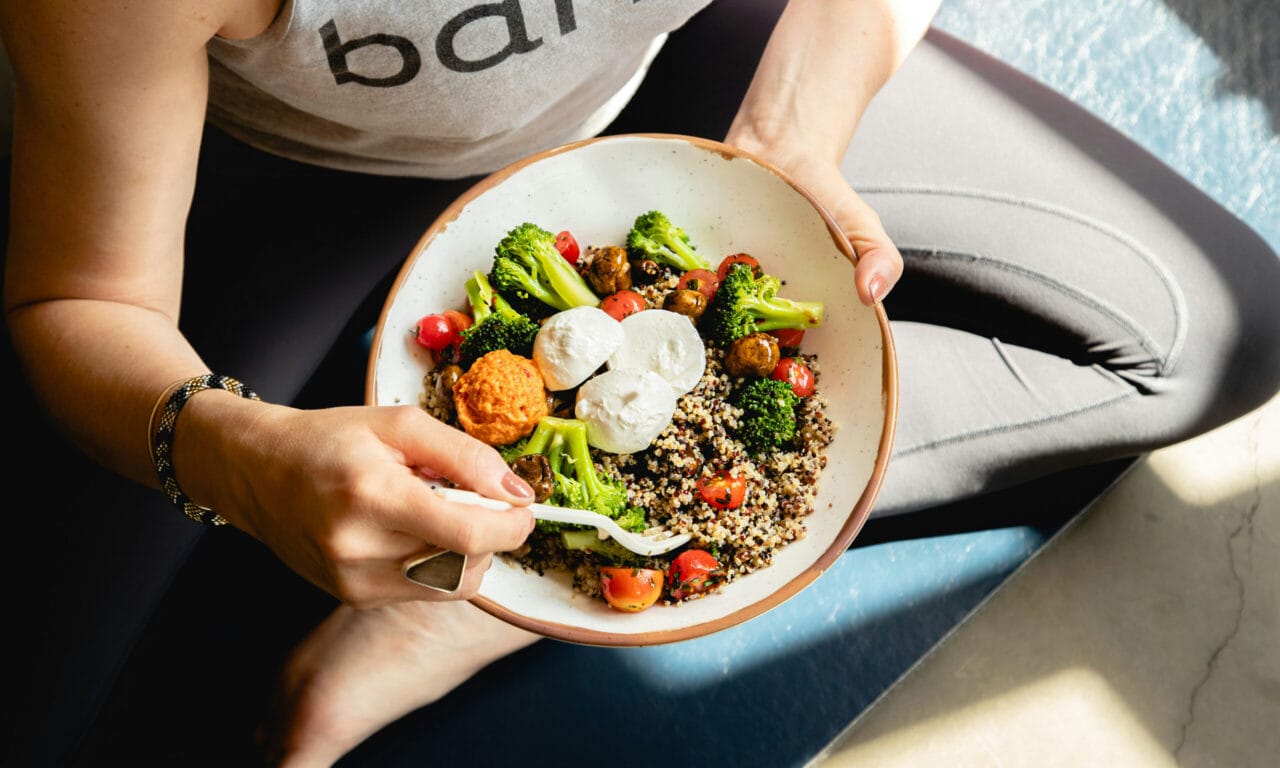

Starting a GLP-1 medication often comes with a learning curve and for many people, food becomes the most confusing part. Appetite changes quickly, cravings quiet down and suddenly the old rules of dieting don’t apply. The question shifts from how much should I eat? to what should I actually be eating?
On the latest episode of The Beauty Authority, holistic nutritionist and NewBeauty Brain Trust member Jennifer Hanway breaks down what eating on GLP-1s should really look like, with a focus on energy, muscle preservation and long-term health—not perfection. “When someone first starts a GLP-1, it’s a transition time,” Hanway explains. “It’s okay not to be perfect from the get-go. You have to give your body, your habits and your mindset time to adjust.”
Why Eating on GLP-1s Requires a Reset
One of the biggest mindset shifts Hanway emphasizes is moving away from volume eating. “Before GLP-1s, people were trying to eat large portions of low-calorie foods just to feel full,” she says. “Things like piles of vegetables, popcorn, fibrous foods, anything that took up space without a lot of calories.”
With appetite naturally lower on GLP-1s, that approach stops working. Instead, Hanway encourages what she calls “bang-for-your-buck nutrition.” “Every bite has to have a job,” she says. “What we’re really prioritizing is protein and micronutrients, your vitamins, minerals and antioxidants, because you simply don’t have room for filler anymore.”
Protein Isn’t Optional
Protein plays a central role in GLP-1 nutrition, not because it’s trendy, but because it helps protect lean muscle mass. “Lean muscle is the engine of your metabolism,” Hanway explains. “If you don’t have a strategy while on a GLP-1, a good portion of the weight you lose can come from muscle instead of body fat.”
That’s why protein intake needs to be intentional. “Ideally, we’d aim for about one gram of protein per pound of ideal body weight,” she says. “But where I like people to start is thinking about 30 grams at each meal, breakfast, lunch and dinner.”
She’s quick to add that exact numbers matter less than consistency. “Most people are under-eating protein,” Hanway notes. “I don’t love telling people to hit a perfect number. I’d rather say: eat as much protein as you comfortably can. Protein is very self-regulating; it’s one of the most satiating nutrients we have.”
Choosing the Right Protein Sources
How you get that protein matters, especially when appetite is limited. “When we think about traditional weight loss, people often turn to foods like quinoa, beans or lentils because they’re filling,” Hanway says. “But with GLP-1s, we need to flip that thinking.”
She recommends prioritizing complete, bioavailable proteins. “Animal-based proteins have a complete amino acid profile, which helps keep you fuller for longer and better supports lean muscle mass,” she explains. “You’re going to get far more usable protein from a chicken breast than from a bowl of quinoa.”
Protein powders can also play a role, but quality is key. “There are great protein powders and there are not-so-great ones,” Hanway says. “A grass-fed whey or beef protein powder can be a helpful tool. What I’d rather people skip are ultra-processed ‘protein foods’ that are more marketing than nutrition.”
Foods That Help Mitigate Side Effects
Nausea, constipation and fatigue are common early on, and food choices can make a meaningful difference. “GLP-1s slow gastric emptying, which is why nausea shows up,” Hanway explains. “One of the biggest triggers is high-fat meals, especially early on.”
Her advice: keep meals simple. “You don’t have to eliminate fat, but keep it minimal, a little olive oil, a little avocado, rather than rich, heavy meals.”
Constipation requires a gentler approach. “What I don’t recommend is adding a ton of fiber right away,” she says. “If you think of your digestion like a blocked sink, adding more in just makes it worse. Hydration comes first.”
Fatigue, she adds, is often a sign of undereating or doing too much too soon. “We absolutely want people strength training on GLP-1s,” Hanway says. “But when you pair very low calories with intense exercise, that’s when fatigue sets in.”
Eating When Appetite Is Low
On days when eating feels especially difficult, Hanway suggests starting with hydration. “Electrolytes can be really helpful,” she says. “GLP-1s can blunt thirst as well as hunger, so sometimes you need reminders to drink.”
She also encourages a regular eating rhythm, even if portions are smaller. “Breakfast is often when nausea is lowest,” she notes. “That can be a great time to prioritize protein and then let meals get lighter as the day goes on.”
Preparation helps too. “Planning meals ahead of time takes decision-making off your plate,” Hanway says. “When appetite is low, convenience really matters.”
Nutrition During Maintenance
For those tapering down or transitioning into maintenance, patience is essential. “As you lower your dose or come off the medication, food noise will come back,” Hanway says. “That’s normal.”
She encourages focusing on what you can control. “We can’t switch off food noise, but we can support blood sugar balance with protein, fiber and muscle mass,” she explains. “And just as importantly, you need support. Let your partner know. Build habits that don’t revolve around food. Give yourself grace during the adjustment.”
Her final reminder is one she repeats often: “This is an adjustment, not a failure.”
