


Learn how to clean mushrooms – from dry brushing to quick rinsing, so you can preserve their flavor and texture with every dish.
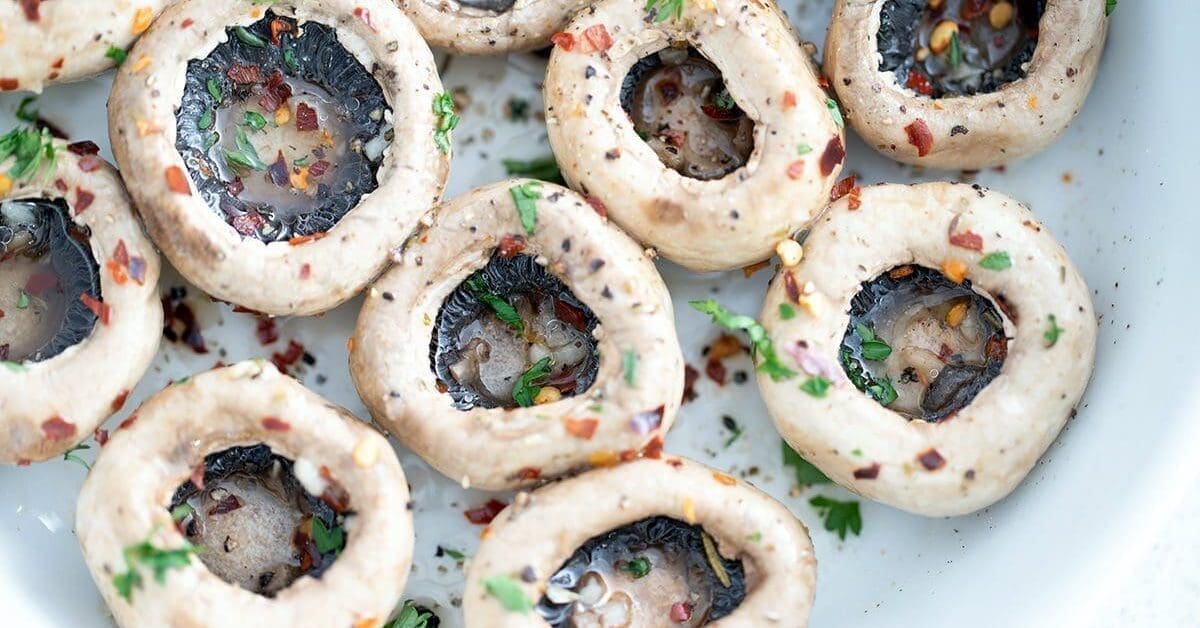
Here’s a comprehensive blog post about how to clean mushrooms, including various methods, their pros and cons, and tips to preserve flavor and texture.
How to Clean Mushrooms
Cleaning mushrooms can seem deceptively simple—until you realize how many differing opinions and methods exist. Whether you’re preparing delicate chanterelles or hearty portobellos, choosing the right cleaning technique is essential to preserve their texture and flavor.
Here’s everything you need to know about how to clean mushrooms, along with the pros and cons of each method.
After testing each method out I prefer to clean mushrooms using the wet towel technique – it minimizes dirt and moisture and does allow for a better final flavor. Especially when making fresh mushroom recipes like Mushroom Ravioli, Garlic Butter Mushrooms, and Red Wine Mushrooms.

Dry Brushing
How it Works:
Use a soft brush, mushroom brush, or paper towel to gently remove dirt and debris from the mushroom surface.
Best For:
Delicate mushrooms like morels, chanterelles, and oyster mushrooms.
Pros:
- Preserves the mushroom’s structure and texture.
- No added moisture—ideal for mushrooms that absorb water easily.
- Quick and easy with minimal cleanup.
Cons:
- Doesn’t remove deep or stubborn dirt.
- Time-consuming if cleaning large quantities.
Tips:
- You can also use a soft toothbrush or a dedicated pastry brush.
- Hold mushrooms gently to avoid tearing fragile caps.

Wipe with a Damp Cloth or Paper Towel
How it Works:
Moisten a paper towel or clean kitchen cloth and gently wipe the mushrooms clean.
Best For:
Common varieties like cremini, white button, and portobello.
Pros:
- More effective than dry brushing for stuck-on dirt.
- Less risk of waterlogging compared to rinsing.
Cons:
- Still time-consuming for large batches.
- Doesn’t clean crevices thoroughly.
Tips:
- Don’t soak the towel—just dampen it slightly.
- Clean stem ends last, as they tend to carry the most dirt.

Quick Rinse in Cold Water
How it Works:
Briefly rinse mushrooms in cold water and pat them dry immediately.
Best For:
Mushrooms with smoother, firmer surfaces like portobellos and button mushrooms.
Pros:
- Fast and efficient for large batches.
- Removes most surface dirt.
Cons:
- Mushrooms can absorb water and become soggy if not dried properly.
- Not ideal for delicate or gill-heavy varieties.
Tips:
- Use a salad spinner lined with paper towels to dry mushrooms thoroughly.
- Don’t soak—just a quick rinse and immediate pat-dry.

Soaking (Only When Necessary)
How it Works:
Soak mushrooms in water for 10–30 seconds to dislodge dirt, then drain and dry.
Best For:
Wild mushrooms with lots of nooks and crannies—like morels or chanterelles—that are especially dirty.
Pros:
- Effectively cleans hard-to-reach spots.
- Good for very sandy or foraged mushrooms.
Cons:
- High risk of water absorption.
- Can compromise flavor and texture if soaked too long.
Tips:
- Use cold water and add a splash of vinegar to help loosen debris.
- Always dry thoroughly—layer between towels or use a salad spinner.

Peeling (Optional Method)
How it Works:
Use a paring knife to gently peel the outer layer of mushroom caps, especially on larger varieties.
Best For:
Portobello mushrooms or when the skin is tough or has blemishes.
Pros:
- Removes dirt and any damaged spots.
- Improves appearance and texture for some dishes.
Cons:
- Time-intensive.
- Not necessary for most varieties.
Tips:
- Pull from the edges of the cap inward.
- Skip this step unless texture is crucial for your recipe.

What’s the Best Method To Clean Mushrooms?
The best way to clean mushrooms depends on the variety and how dirty they are. In general:
- Use dry brushing or damp cloth for delicate or fresh mushrooms.
- Use quick rinsing or brief soaking only if they are very dirty.
- Always avoid long soaks, as mushrooms are like sponges and can become mushy.
No matter which method you choose, drying mushrooms thoroughly is the key to keeping them flavorful and firm during cooking.
Recipes With Mushrooms
I have quite a few mushroom recipes to check out!
