
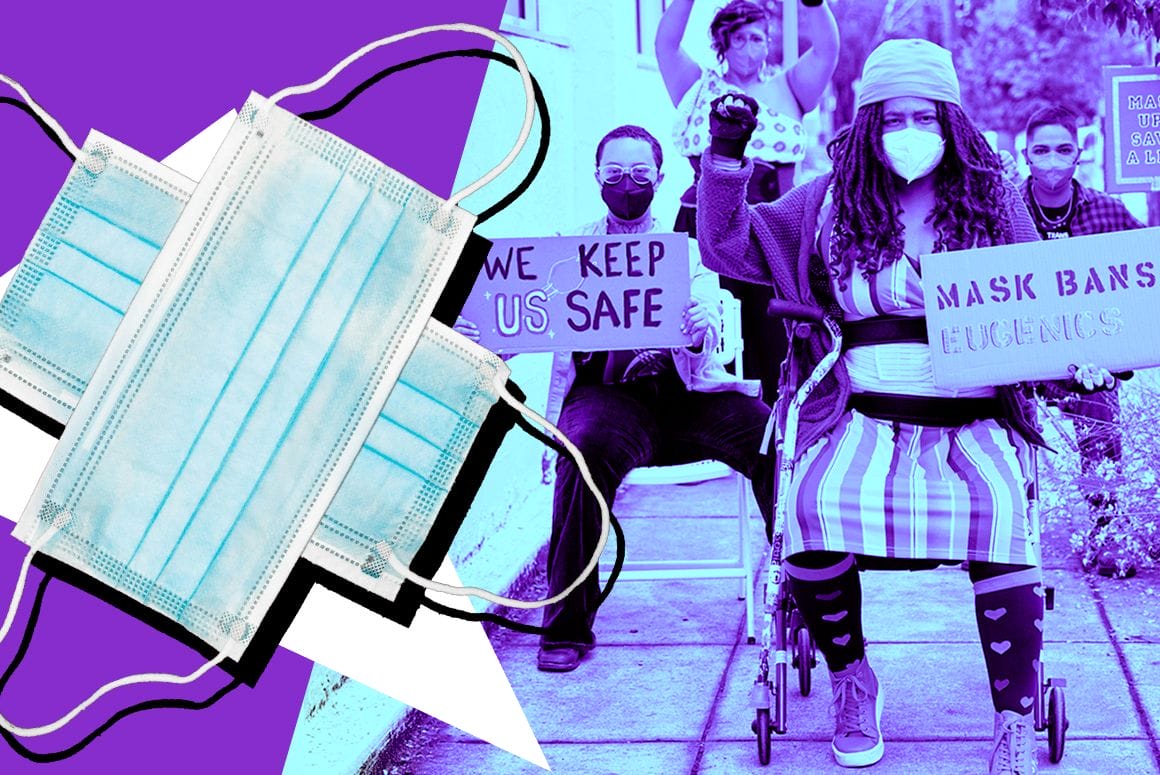


In March, 2020 the world as we knew it changed. Nations worldwide started locking down and governments began mandating masking and physical distancing, while recommending robust hand hygiene and cleaning practices to limit the spread of the COVID-19 pandemic. One of the largest lessons learned over the past five years is that N95 masking is very effective in reducing airborne illnesses like COVID-19, the common cold, and the flu.
As the pandemic progressed, we learned a great deal about how COVID-19 impacts high-risk populations in the disability community. Over the last 5five years, research found that people with Autism, intellectual disabilities and other neurodiverse populations are at the highest risk of long COVID complications including:
Developing an elevated stress response
High rates of anxiety, depression, mental health challenges.
The fight/flight response may already be elevated in both neurotypicals and people with Autism and ADHD.
Further, gut issues create an imbalanced microbiome. One study showed how gut health can significantly impact the degree of illness from COVID-19. In short, people with a healthy gut tend to bounce back quicker It has further been found that Immune dysregulation and high rates of autoimmune disease are just a couple of ways that people with disabilities remain at high risk of severe covid and long covid. There is a considerable body of research collected from the experiences of people with intellectual and developmental disabilities (including those with Autism), as well as stress and anxiety disorders suggesting a significant risk of long-term negative health consequences if masks are banned. Yet, in the past year alone some states and cities have started banning masking in public settings including on city transit, at protests, and in the general community to prevent crime.
Mask banning also sends mixed messages to the public. One of the reasons politicians say we need mask bans is to reduce crime by making it easier to identify criminals. yet as the impact of climate change intensifies, it will put us at greater risk for increasing pandemic threats. Some politicians argue that there will be exemptions for high risk people with disabilities and immunocompromised populations, but police are not trained to be in a position to determine who is exempt or not. Other concerns about mask banning include the risk of harassment of those who are using them.
Not only are disabled people at higher risk of adverse outcomes from COVID-19 and other infectious diseases, but these infections disproportionately impact Black, Indigenous, and People of Color (BIPOC), older adults, higher-weight people, pregnant people, and unhoused people. Still, since the end of the official public health emergency period, most COVID-19 protections have been removed, creating more barriers for disabled and high-risk people to participate safely in community life,
About the Author: Nicole LeBlanc is a fellow with The Loreen Arbus Accessibility is Fundamental Program, a fellowship created with Women’s eNews to train women with disabilities as professional journalists so that they may write, research and report on the most crucial issues impacting the disabilities community.
