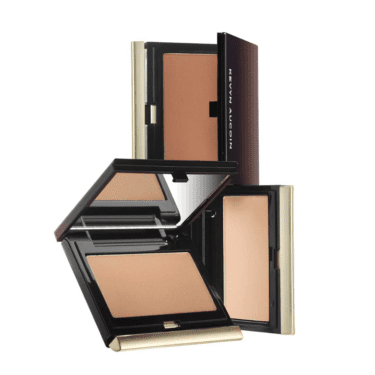

Nearly a decade ago, in the heyday of beauty vloggers on YouTube circa 2016, one style of makeup ruled them all—contouring. But after years of wearing and perfecting these cut, defined looks known to stand out on camera, the beauty community has shifted course for something more wearable and natural-looking. This is the era of soft sculpted makeup, and it’s here to stay.
Say Goodbye to Contouring
The classic contoured makeup look carves out features for high contrast and high drama. And don’t get us wrong, this style still looks amazing on camera. But Kevyn Aucoin’s director of artistry and makeup, Drita Paljevic, points to the high learning curve as a major reason for contouring’s retirement as a trend.
“In the 2010s, we saw the rise of a harsher, ‘snatched’ contour look, which, while trendy at the time and rooted in some of Kevyn’s original techniques, didn’t truly reflect his philosophy of what contouring should be,” she explains. “This technique (while great on camera) is unrealistic and intimidating to recreate at home. Today, the pendulum has swung back toward soft sculpting—a more wearable, skin-first approach that focuses on subtle lift, warmth and dimension, so the makeup disappears into the skin.”
How to Perfect Soft Sculpting
Critically, instead of re-shaping the face with contouring, soft sculpting uses similar products (in blendable cream formulas) to enhance the features you already have. The goal is a diffused, melt-into-skin look that avoids the harsh lines and deep shadows of contour.
“One of my favorite pro artist tricks (made famous by Katie Jane Hughes) is to ‘prime your brush’ before applying product,” Paljevic advises. “Tap your brush into the formula, then buff it out on the back of your hand before touching it to your face. While it may feel like you’re wasting product, this step warms the formula for a melted, diffused application, ensuring a sheer, even layer that you can easily build. Using a dense, but soft brush like the Cream/Powder Contour Brush is best.”
You’ll want to reach for a tone that’s a few shades darker than your natural skin color, allowing for more natural-looking depth.
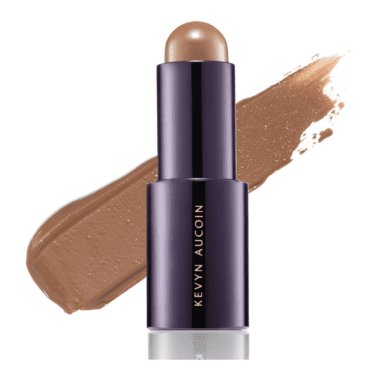
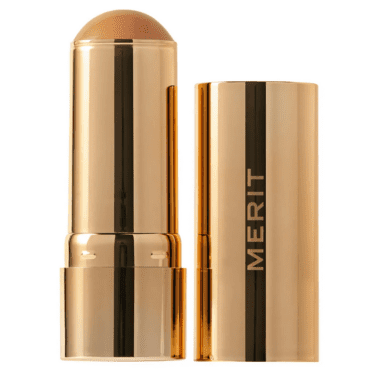
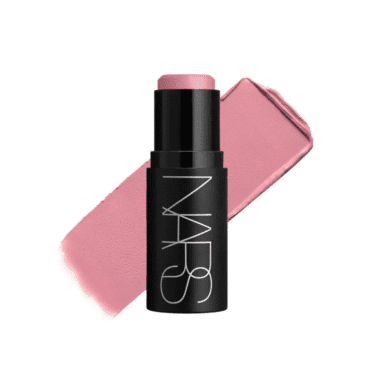
Products to Nail the Soft Sculpt
/
/
/
/
/