


Abstract
Rare tumors are unusual or infrequently occurring abnormal growths of cells that can develop in almost any part of the body. They may be benign or malignant, often presenting diagnostic and therapeutic challenges due to their low prevalence and variable behavior. Genetic mutations, environmental factors, and disruptions in normal cellular regulation contribute to their development. Management typically requires specialized approaches, including surgery, targeted therapies, and supportive treatments to reduce inflammation, improve tissue function, and control abnormal cell proliferation. Glomus tumors are a type of rare, benign neoplasm arising from glomus bodies, causing intense localized pain. In the article below, we shall discuss Glomus tumor and its management in the contemporary medicinal system and Indian traditional medicinal system of Ayurveda.
Introduction
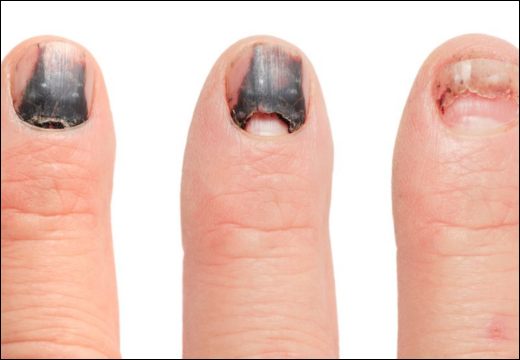
Glomus tumors are rare, typically benign neoplasms that arise from glomus bodies, specialized arteriovenous shunts involved in thermoregulation. These structures are most abundant in the dermis of the fingers and toes, particularly beneath the nail bed, but glomus tumors can also occur in the head and neck (commonly referred to as glomus tumors of the ear or paragangliomas in older literature). Despite their small size, these tumors can cause disproportionate pain and morbidity, making early recognition clinically important.
Anatomy And Origin
The glomus body is a modified smooth-muscle structure that regulates blood flow in response to temperature changes. It consists of afferent arterioles, anastomotic channels, and efferent venules, richly innervated by sympathetic fibers. Tumors arising from this apparatus, glomus tumors, are therefore vascular and neuro-sensitive, explaining their classic symptom profile.
1. Peripheral (True) Glomus Tumors
Most often subungual or dermal.
2. Head And Neck Paragangliomas
Historically termed “glomus tumors” (e.g., glomus tympanicum, glomus jugulare), though biologically distinct and derived from paraganglia rather than glomus bodies.
Epidemiology
- True glomus tumors account for
- They are most frequently diagnosed in young to middle-aged adults, with a slight female predominance for subungual lesions.
- Head and neck paragangliomas are rarer and may show familial clustering, especially with mutations in SDH (succinate dehydrogenase) genes.
Pathophysiology
Glomus tumors are composed of:
- Uniform glomus cells (modified smooth muscle cells)
- A rich capillary network
- Variable smooth muscle and connective tissue stroma
Their intense pain is thought to result from:
- High nerve fiber density
- Pressure effects within confined spaces (e.g., nail bed)
- Hypersensitivity of arteriovenous shunts to temperature and pressure changes
Most tumors are benign, slow growing, and well circumscribed. Malignant transformation (glomangiosarcoma) is exceedingly rare.
Clinical Features
1. Peripheral (Subungual/Dermal) Glomus Tumors
The classic diagnostic triad includes:
- Severe paroxysmal pain, often stabbing or burning
- Point tenderness localized to a small area
- Cold hypersensitivity, where exposure to cold triggers intense pain
Additional features may include nail deformity, bluish discoloration, or localized swelling.
2. Head And Neck Glomus Tumors
Symptoms depend on location and size:
- Pulsatile tinnitus
- Conductive hearing loss
- Ear fullness or otalgia
- Cranial nerve palsies in advanced cases
Diagnostic Evaluation
1. Clinical Tests (For Subungual Tumors)
- Love’s pin test: pinpoint tenderness on pressure
- Hildreth’s test: pain reduction with proximal tourniquet
- Cold sensitivity test: symptom reproduction with cold exposure
2. Imaging
- MRI (gold standard)
- Ultrasound
- CT/angiography
- Histopathology
Management
1. Surgical Treatment
Complete surgical excision is the treatment of choice and is usually curative for peripheral glomus tumors. Microsurgical techniques minimize recurrence and preserve nail aesthetics.
2. Head And Neck Tumors
Management is individualized and may include:
- Surgery
- Radiotherapy (especially for large or inoperable tumors)
- Observation in asymptomatic or elderly patients
Preoperative embolization may be used to reduce intraoperative bleeding in highly vascular tumors.
Ayurvedic Aspect And Management
Glomus tumors, being vascular, painful, and localized nodular swellings, find no direct correlation in Ayurveda; however, the condition can be understood with dosha vitiations and microchannel blockage due to ama (endotoxins) that causes improper signalling among bodily cells and can lead to uncontrolled growth, usually known in Ayurveda as Granthi (tumor or cyst-like swelling) and Arbuda (benign neoplasm). In such conditions, usually all the doshas are involved. Glomus tumours primarily occur due to Vata and Rakta vitiation.
1. Vata Dosha
Responsible for the pain, tingling, and paroxysmal attacks seen in subungual glomus tumors. The stabbing, burning, or pressure-like pain reflects Vata’s characteristic nature of movement and sharpness.
2. Rakta (Blood) Dosha
Due to the vascular nature of glomus tumors, involving hyperproliferation of glomus cells around capillaries, there is a congestion of Rakta leading to red-blue discoloration, swelling, and tenderness.
3. Pitta Dosha
Local inflammatory changes, warmth, and pain exacerbation by heat or touch indicate Pitta involvement.
Subungual glomus tumors, which show cold hypersensitivity, indicate Vata-Rakta imbalance, as cold aggravates Vata and causes pain in confined spaces.
Head and neck glomus tumors (e.g., glomus tympanicum) can be considered Shira Granthi or localized vascular growths, where Rakta and Vata imbalance in the local tissues leads to symptoms such as pulsatile tinnitus (Vata in ears) and pain (Rakta and Vata).
Ayurvedic Management
Ayurvedic management focuses on Vata-Rakta-Pitta pacification, Swedana (local fomentation), Rakta Shodhana (blood purification), and Granthi Shaman therapies.
1. Shamana (Palliative) Therapy
Herbal formulations to pacify Vata and Rakta:
- Rakta-Pitta balance: Manjishtha (Rubia cordifolia), Haridra (Curcuma longa), Guduchi (Tinospora cordifolia)
- Vata relief: Ashwagandha (Withania somnifera), Bala (Sida cordifolia)
Herbal oils for local massage (Abhyanga) to reduce pain and improve circulation:
- Kumkumadi Taila or Dashamoola Taila
- Gentle massage around the lesion (avoid direct pressure on tumor)
2. Swedana (Fomentation/Heat Therapy)
Local steam therapy or warm compress reduces Vata-induced stiffness and alleviates pain in the surrounding tissues.
3. Rakta Shodhana (Blood Purification)
Therapies like Raktamokshana (venesection/leeches) are indicated for Rakta-dominant tumors or painful vascular swellings to relieve congestion.
Herbal leech therapy or medicinal bloodletting (under practitioner supervision) help in reducing pain and redness.
4. Granthi Shamana Herbs
- Guduchi (Tinospora cordifolia) – anti-inflammatory, immunomodulatory
- Manjishtha (Rubia cordifolia) – blood purifier, reduces discoloration and congestion
- Haridra (Curcuma longa) – anti-inflammatory, tissue healing
- Triphala (Emblica officinalis, Terminalia chebula, Terminalia bellirica) – improves microcirculation, detoxifies tissues
5. External Application (Lepa)
Manjishtha or Haridra Lepa over the swelling helps in pain reduction and inflammation control.
Taila-based paste (e.g., Dashamoola Taila) improves local circulation and reduces Vata-induced pain.
Lifestyle and Dietary Recommendations
- Avoid cold exposure, as it aggravates Vata and increases pain.
- Favor warm, unctuous foods (e.g., ghee, warm soups) to pacify Vata.
- Incorporate anti-inflammatory herbs and spices: turmeric, ginger, cumin.
- Gentle finger exercises to maintain circulation in peripheral lesions.
- Stress reduction techniques (Pranayama and Yoga) help in Vata pacification and pain management.
Herbal Remedies for Glomus Tumor by Planet Ayurveda
Planet Ayurveda is a renowned Ayurvedic healthcare company dedicated to promoting holistic wellness through authentic herbal remedies. With a focus on natural formulations based on classical Ayurvedic principles, Planet Ayurveda develops products that address various health concerns without relying on synthetic chemicals. Their range includes supplements, care packs, and specialized formulations for conditions such as diabetes, hair loss, skin disorders, digestive issues, and chronic ailments. Emphasizing quality, purity, and effectiveness, Planet Ayurveda sources herbs from trusted suppliers and maintains strict manufacturing standards. By integrating traditional wisdom with modern quality control, Planet Ayurveda offers safe, reliable, and natural solutions for maintaining health and well-being. Planet Ayurveda is pleased to present its list of medicinal products that are effective in the management of Glomus tumours.
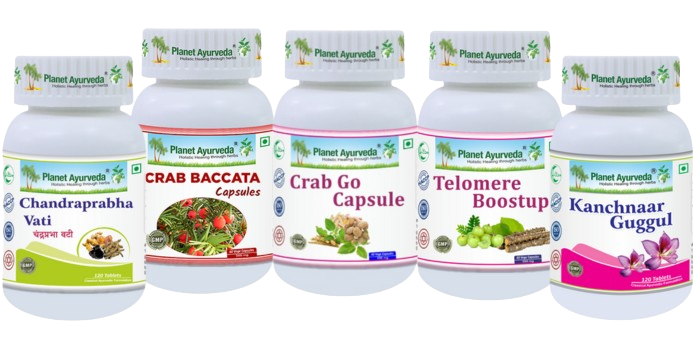
Product List
- Kanchnaar Guggul
- Crab Baccata Capsules
- Crab Go Capsule
- Chandraprabha Vati
- Telomere Boostup
Herbal Remedies for Glomus Tumor
Product Description
1. Kanchnaar Guggul
Kanchnaar Guggul is a classical ayurvedic medicine known for its combined anti-inflammatory, antiproliferative, and dosha-pacifying properties. Kanchnaar Guggul and its constituents, such as guggulsterones, possess antimitotic and cytotoxic potential, inhibiting abnormal cell proliferation, while modulating cellular pathways related to apoptosis and angiogenesis. Its anti-inflammatory and antioxidant effects reduce local swelling, pain, and tissue irritation, which are prominent in glomus tumors. Furthermore, balances Vata and Pitta doshas, addressing pain, tenderness, and vascular congestion, while its Lekhana (scraping) and Bhedana (resolving nodules) actions reduce localized abnormal tissue growth, making it a valuable adjunct in the management of Glomus tumor.
Dosage : Two tablets twice a day.
2. Crab Baccata Capsules
Planet Ayurveda’s Crab Baccata Capsules formulated from Taxus baccata, support the management of glomus tumors through their well-documented antiproliferative and pro-apoptotic properties. Taxus baccata contains taxane compounds, the natural precursors of paclitaxel, which act by stabilizing microtubules, arresting abnormal cell division, and inducing programmed cell death in proliferating cells. These mechanisms are central to controlling abnormal cellular growth, a key pathological feature even in benign tumors such as glomus tumors. Additionally, Taxus baccata exhibits anti-angiogenic, anti-inflammatory, and antioxidant activities, helping reduce vascular congestion, local inflammation, and oxidative stress that contribute to pain and tissue irritation. With mentioned properties, Crab Baccata capsules are really beneficial in the management of Glomus tumor.
Dosage : One capsule twice a day.
3. Crab Go Capsule
Crab Go Capsules are a product of Planet Ayurveda. The product has combined anti-inflammatory, antioxidant, cytotoxic, and immunomodulatory actions. The ingredients like ashwagandha (Withania somnifera) and shatavari (Asparagus racemosus) contain withanolides and saponins that exhibit antiproliferative and pro-apoptotic effects, helping regulate abnormal cell growth. Haridra (Curcuma longa) and Giloy (Tinospora cordifolia) provide strong anti-inflammatory and antioxidant effects, reducing local swelling, oxidative stress, and tissue irritation associated with tumors. Tulsi (Ocimum sanctum) modulates immune responses, enhancing the body’s natural defense mechanisms, while Shunthi (Zingiber officinale) and Gokshur (Tribulus terrestris) improve circulation and help pacify Vata and Rakta doshas, addressing pain, tenderness, and vascular congestion. Collectively, these herbs work synergistically to support Granthi-Arbuda management, reduce symptoms, and act as a valuable addition to the management plan of Glomus tumor.
Dosage : Two capsules twice a day.
4. Chandraprabha Vati
Chandraprabha Vati is a classical ayurvedic medicine and exhibits anti-inflammatory, antioxidant, analgesic, immunomodulatory, and tissue-supporting properties, derived from its herbal and mineral ingredients. Constituents like Haridra (Curcuma longa), Shunthi (Zingiber officinale), Pippali (Piper longum), Dalchini (Cinnamomum zeylanicum), and Karpoor (Cinnamomum camphora) reduce inflammation, oxidative stress, and pain, while Vidanga (Embelia ribes) and Pippali (Piper longum) exhibit antiproliferative and apoptosis-promoting activity, helping regulate abnormal cell growth. Shilajit (Asphaltum) enhances tissue repair and provides strength. The formulation pacifies Vata and Pitta doshas, improves microcirculation, and clears srotorodha (channel obstructions), addressing pain, congestion, and associated dosha imbalance. While surgical excision remains the definitive treatment, Chandraprabha Vati reduces inflammation and discomfort and improves the local tissue environment in glomus tumor management.
Dosage : Two tablets twice a day.
5. Telomere Boostup
Telomere Boostup is a product of Planet Ayurveda. The formulation contains potent herbs such as Giloy (Tinospora cordifolia), Ashwagandha (Withania somnifera), Grape seed (Vitis vinifera), Amla (Emblica officinalis), and Moringa (Moringa oleifera), which collectively provide strong antioxidant and anti‑inflammatory actions that protect cells from oxidative stress and inflammatory damage. These herbs also act as rasayanas, promoting cellular rejuvenation and systemic detoxification to help restrict the accumulation of endotoxins and prevent the formation or progression of uncontrolled growths. Tinospora cordifolia and Withania somnifera have immunomodulatory and cytoprotective properties, and grape seed extract is rich in proanthocyanidins that exhibit antioxidant and antiproliferative actions. Therefore, Telomere Boostup enhances cellular health, reduces oxidative and inflammatory stress, and supports overall wellbeing and helps in Glomus tumor.
Dosage : One capsule twice a day.
Conclusion
Glomus tumors, though rare and typically benign, can cause significant pain and discomfort due to their vascular and neuro-sensitive nature. Early diagnosis and proper management are essential to prevent complications and improve quality of life. Surgical excision remains the definitive treatment, especially for peripheral subungual tumors in the modern medicinal system, while head and neck tumors may require individualized approaches including radiotherapy or preoperative embolization. Ayurvedic management provides valuable supportive care, focusing on pacifying Vata and Pitta doshas, reducing inflammation, improving circulation, and promoting tissue repair. Above mentioned products of Planet Ayurveda are of great help in managing the condition. Integrating modern and traditional approaches ensures comprehensive care for patients with glomus tumors.
