
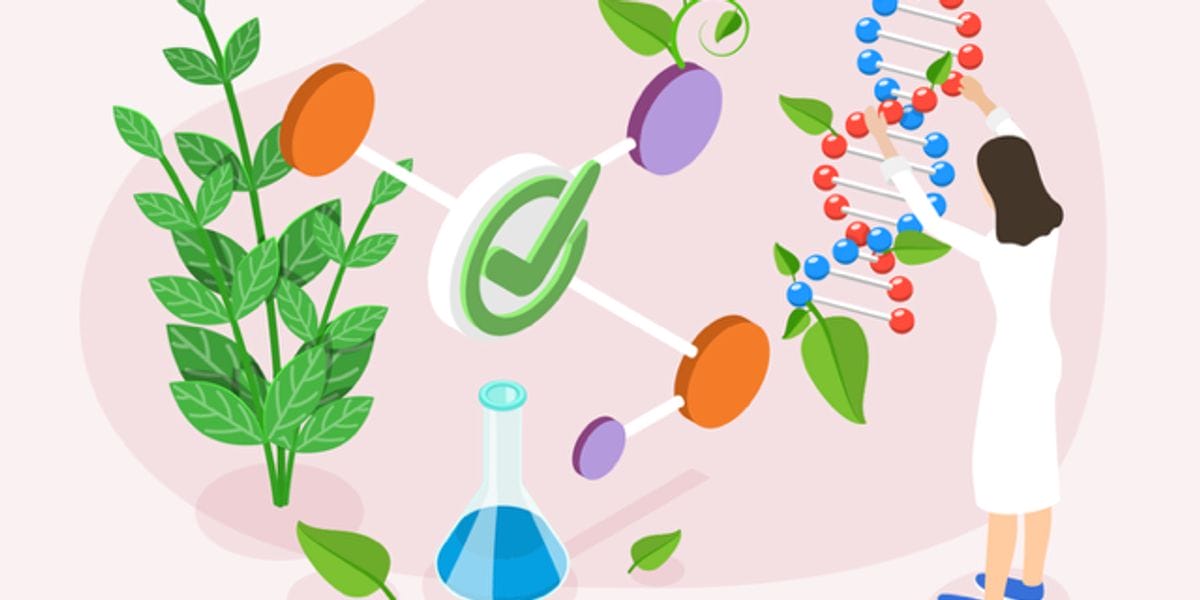

Slide 2: Biologics in brief
Biologics are medicines made from living cells.
They are made of large, complex proteins that can fight disease in ways that other drugs cannot.
Because they are so complex, they cannot be copied exactly. But drugs that work in a similar way – so-called biosimilars – can be made based on biologics.
Slide 3: Understanding Biosimilars
Biosimilars are almost identical copies of biologics. They offer the same benefits, have the same side effects and are administered in the same dosage. A biosimilar is just as safe and effective as the original biologic, called a “reference drug.”
Slide 4: Why biosimilars are important
Biologics can treat serious, chronic diseases such as:
-
arthritis
-
Cancer
-
psoriasis
-
Autoimmune diseases
However, developing them is expensive and time-consuming.
Biosimilars offer the same treatment options at a lower cost, giving more people access to advanced therapies.
Slide 5: Production of a biosimilar
Making a biosimilar is a bit like cooking a complex dish. Living cells receive genetic instructions, similar to a recipe, for making a specific protein.
Under carefully controlled conditions, they produce the proteins, which are then purified for use as drugs.
Slide 6: Checked for security
Biosimilars go through a strict testing process. To be approved, they must not show any clinically significant differences from the reference biologic. You must:
-
Use the same natural materials
-
Match the molecular structure exactly
-
There are no clinically important differences in safety or side effects
Slide 7: Proven effectiveness
Studies confirm that biosimilars provide the same results as biologics, with no significant differences in safety or side effects.
Biosimilars are only approved if they correspond to the reference drug in terms of dosage, strength and effectiveness.
Slide 8: Conditions under which biosimilars are treated
Biosimilars are used to treat serious and chronic diseases:
-
psoriasis
-
Crohn’s disease
-
Ulcerative colitis
-
diabetes
-
arthritis
-
multiple sclerosis
-
Kidney disease
-
osteoporosis
-
Breast, colon and lung cancer
Slide 9: Benefits of biosimilars
Biologics can cost billions to develop and are therefore expensive to use. Biosimilars take less time and money to produce and are therefore more affordable.
Biosimilars can help make these treatments available to more people who need them.
Slide 10: Find out if biosimilars are right for you
Here are some questions to ask your doctor:
-
Is there a biosimilar for my disease?
-
How does it compare to other treatments?
-
Will switching change the side effects or results?
-
Is it administered at home or in a clinic? Injection or infusion?
This educational resource was created with the support of Sandoz.
