


If you’re seriously considering an SI2 clarity diamond, this article is a must-read. SI2 clarity is one of the most controversial clarity grades, and making the wrong choice can drastically affect the beauty and value of your diamond. Written by Benjamin Khordipour, a GIA-certified Gemologist and one of the leading experts in vintage and rare diamonds, this guide offers trusted, insider insight you won’t find anywhere else.
Skip ahead to learn how much an SI2 clarity diamond should cost.
What is an SI2 Clarity Diamond?

An SI2 clarity diamond is a diamond that has “Slightly Included” characteristics, meaning it contains noticeable imperfections or inclusions that can sometimes be seen with the naked eye. These inclusions might look like small spots, clouds, or lines within the stone.
The GIA places SI2 near the lower-middle of the clarity scale (above I1, I2, and I3, but below SI1, VS2). It’s the final clarity grade where the diamond may still appear eye-clean, depending on the quality of the cut, color, and placement of the inclusions.
SI2 diamonds are popular among budget-conscious buyers who want a larger diamond without paying the premium for higher clarity. However, they come with risks, especially as SI2 diamonds will look very different from stone to stone. Some will appear clean to the eye, while others may have obvious flaws that impact the beauty or structure. That’s why it’s essential to view the diamond in person or work with a trustworthy expert when buying an SI2 diamond.
SI2 diamonds have even been dubbed “the most controversial clarity rating” for good reason. We’ll explain this in more detail below.
How Much Does an SI2 Clarity Diamond Cost?
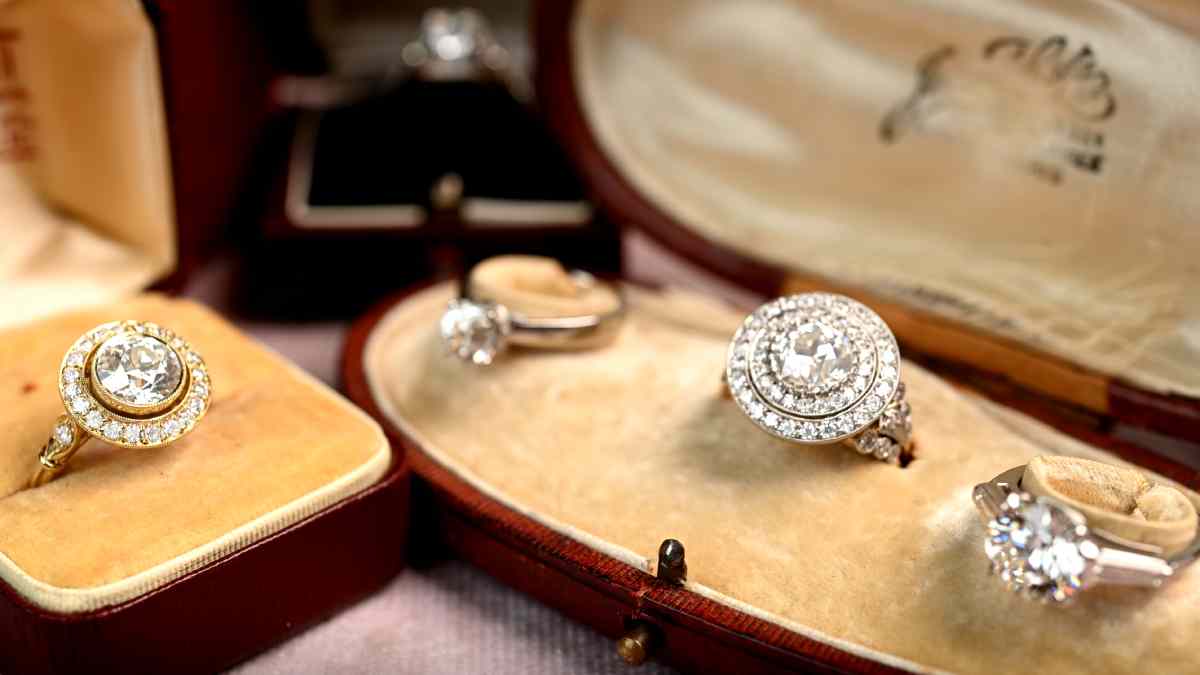
SI2 clarity diamonds typically strike a great balance between size and price, offering noticeable savings compared to higher clarity grades like VS2 or VVS, even when cut to excellent standards. On average, you can expect to pay anywhere from 10% to 30% less for an SI2 diamond of comparable carat weight and color, though the exact amount depends heavily on cut quality and how visible the inclusions are.
Below, we’ve created a detailed table breaking down today’s market prices for excellent-cut, brilliant-round SI2 diamonds across different carat weights. This will help you easily spot where the real value lies before making any decisions.
| Carat Weight | J Color | D Color |
|---|---|---|
| 0.50-Carats and SI2 Clarity | $600 | $900 |
| 1.00-Carat and SI2 Clarity | $3,000 | $4,800 |
| 1.50-Carats and SI2 Clarity | $6,750 | $11,700 |
| 2-Carats and SI2 Clarity | $12,600 | $22,600 |
| 3-Carats and SI2 Clarity | $33,000 | $60,000 |
| 4-Carats and SI2 Clarity | $56,000 | $102,000 |
| 5-Carats and SI2 Clarity | $85,000 | $157,500 |
If you’re searching for a SI2 clarity diamond, and you want wholesale rates, send us a message in the contact form below.
Pros and Cons of the SI2 Clarity Diamond

SI2 diamonds offer one of the best opportunities to maximize carat size and cut quality while staying within budget. If you’re willing to take the time to inspect the stone or work with a trusted expert, you can find an SI2 diamond that looks nearly identical to a higher-clarity stone but at a much lower price. For many buyers, especially those who prioritize size and sparkle over microscopic perfection, SI2 can be the sweet spot that delivers tremendous value.
However, the downside is that SI2 diamonds can be highly inconsistent. Some will have inclusions that are small and well-hidden, while others may have flaws that are eye-visible and distracting. In some cases, inclusions may even affect the diamond’s durability. That’s why SI2 is considered a “buyer beware” grade. It can offer amazing deals, but it also requires a sharp eye or guidance from a gemologist to avoid choosing a stone with obvious or problematic flaws. It is for that reason that many consumers will gravitate towards SI1 or VS2 clarity.
An additional disadvantage of the SI2 clarity diamond, is that its resell value is lower than the higher diamond grades. Diamond traders will usually be more cautious when buying SI2 clarity diamonds.
Shop Diamonds with SI2 Clarity
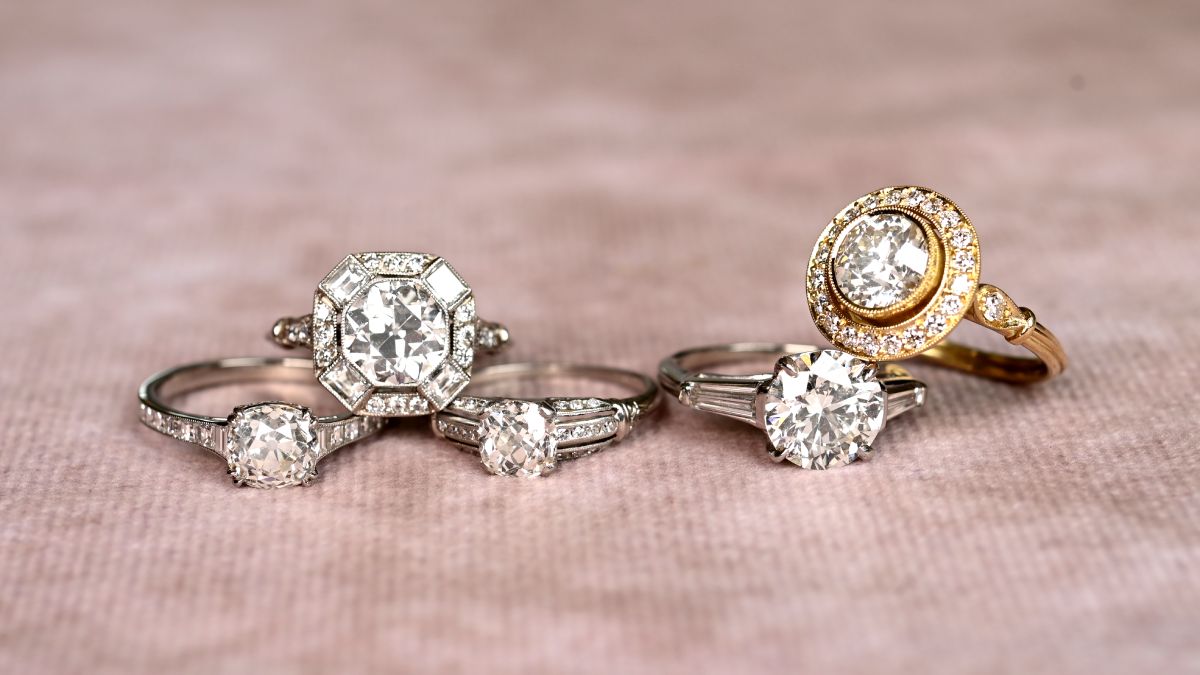
If you’re considering an SI2 clarity diamond, we invite you to explore our collection of SI2 diamonds. Each diamond has been hand-selected for its exceptional brilliance and overall beauty, even at the SI2 grade. We only feature SI2 diamonds that meet our strict visual standards.
The Big Controversy Surrounding the SI2 Clarity Diamond

SI2 clarity is often referred to as the most controversial grade on the clarity scale, and for good reason.
It sits at a tipping point where some diamonds still appear eye-clean, while others have glaring flaws. Adding to the complexity, the final clarity grade can sometimes come down to the subjective judgment of the gemologist evaluating the stone. Two diamonds with very different visual appeal and inclusion severity might both receive the same SI2 grade, depending on the lab, lighting, or even the angle at which the inclusion is viewed during certification.
This level of inconsistency makes SI2 a risky zone for buyers who aren’t working with a knowledgeable and trustworthy source. You might find an incredible deal on an SI2 diamond that looks far better than its grade suggests or you might end up with a stone that looks disappointing in person, despite a seemingly good report.
Because of this controversy, experts strongly recommend examining magnified images or videos, or relying on professional guidance to make sure you’re not overpaying for a diamond that underdelivers.
Expert Tips for Buying a SI2 Clarity Diamond
To give you the most accurate and strategic advice, we interviewed Afshin Shaddaie. With decades of experience handling rare and investment-grade diamonds, he offered these essential tips for making a smart SI2 purchase.
- If you’re unsure about SI2, skip it unless you’re working with a trusted expert. SI2 clarity can range from nearly eye-clean to very visibly flawed. Without a trained eye or expert help, it’s easy to buy a stone that looks disappointing in person.
- Pay close attention to the inclusion location. Inclusions near the edges or under the prongs are much easier to hide and won’t affect the face-up appearance. On the other hand, flaws dead center or near the top of the diamond will be far more noticeable.
- Evaluate the type of inclusion for signs of structural risk. Not all inclusions are equal. Feathers, cracks, or cavities that reach the surface or sit at vulnerable angles can weaken the diamond and potentially lead to chipping or splitting over time.
- Choose brilliant cuts over step cuts for better flaw masking. Brilliant cuts like round, oval, and cushion have more facets, which create sparkle and help camouflage inclusions. Step cuts like emerald and Asscher are more transparent, which means inclusions are harder to hide.
- If you prefer step cuts, go vintage. Vintage step-cut diamonds often have more forgiving facet patterns and slightly warmer body colors that help soften or distract from inclusions. Older emerald cuts, for example, may feature a more open culet, smaller table and chunkier facets that draw the eye away from flaws. That being said, vintage step cuts diamonds are hard to find.
- Avoid diamonds with black crystal or dark carbon inclusions. These types of inclusions are particularly noticeable, especially in bright lighting or when viewed from the top. Unlike white or translucent inclusions, black crystals are hard to mask and often draw attention to themselves.
Common Inclusions Found in SI2 Clarity Diamonds

SI2 diamonds often feature inclusions that are visible without magnification or become noticeable with minimal zoom. Below are the most common types of inclusions found in SI2 diamonds, along with how they typically appear and impact the stone at this clarity level:
- Feathers: In SI2 diamonds, feathers are often surface-reaching and located near the edges or pavilion, but occasionally show up near the center. They may appear as thin white lines or small cracks and, depending on angle and lighting, can catch the eye or even reflect within the diamond.
- Clouds: SI2 clouds are usually clusters of tiny pinpoints that create a soft haze in one area, commonly near the center. They often reduce brilliance and make the diamond look slightly foggy or dull in that zone, especially in larger stones.
- White or Transparent Crystals: These are frequently found near the edges and can sometimes be hidden under prongs. In SI2 diamonds, white crystals may appear like small specks or flakes when viewed face-up and are generally tolerable unless located dead center.
- Black Carbon Spots (Black Crystals): One of the most problematic inclusions at the SI2 level, black crystals are often clearly visible without magnification. They show up as dark dots or pepper-like specs, especially in step cuts or in lighter-colored diamonds, and are difficult to hide. We recommend avoiding black crystals.
- Needles: These hairline-like inclusions can be seen in SI2 stones, often running diagonally or horizontally across the table. If singular and near the edge, they’re not too distracting. But multiple needles can create a faint veil effect under lighting.
- Cavities: Cavities in SI2 diamonds are typically small but can appear as tiny indents or dark holes on the surface. If they’re on the crown or table, they may collect debris and affect the polish, making the diamond appear dirty even when clean.
SI2 Clarity Compared to Other Diamond Grades
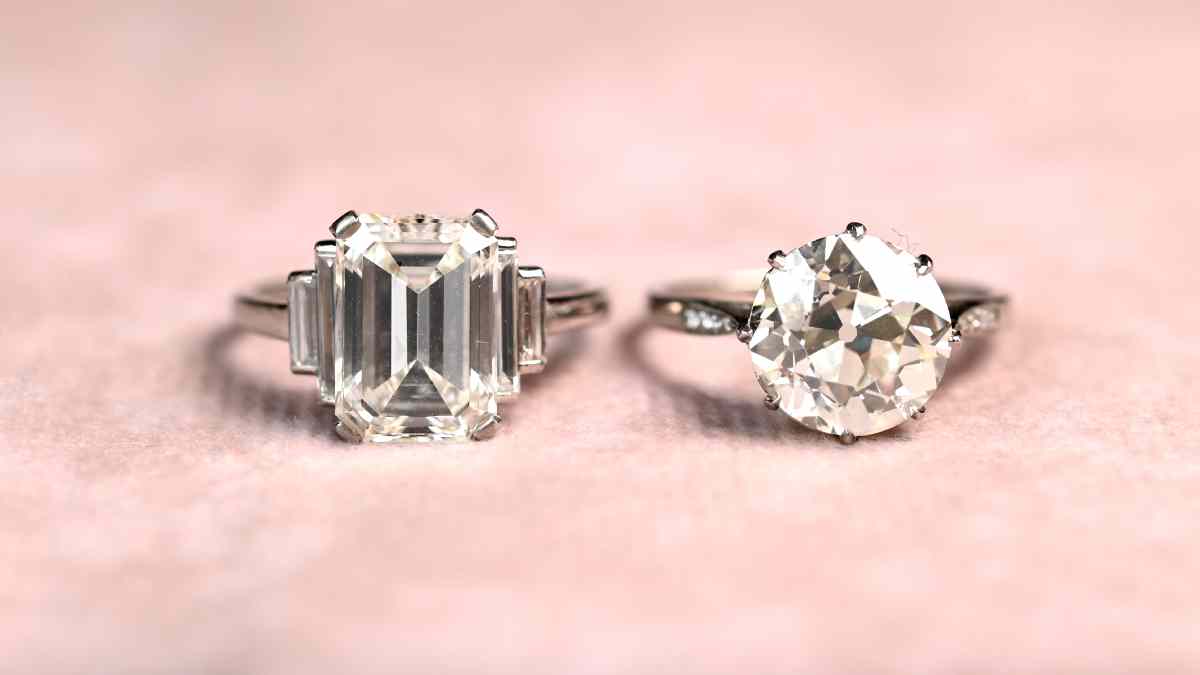
SI2 clarity sits in a unique position on the diamond clarity scale. It’s just high enough that you can find stones that appear eye-clean, but low enough that many diamonds in this category have visible flaws. To understand where SI2 fits, let’s compare it side-by-side with the grades directly above and below it.
SI2 Clarity vs SI1 Clarity
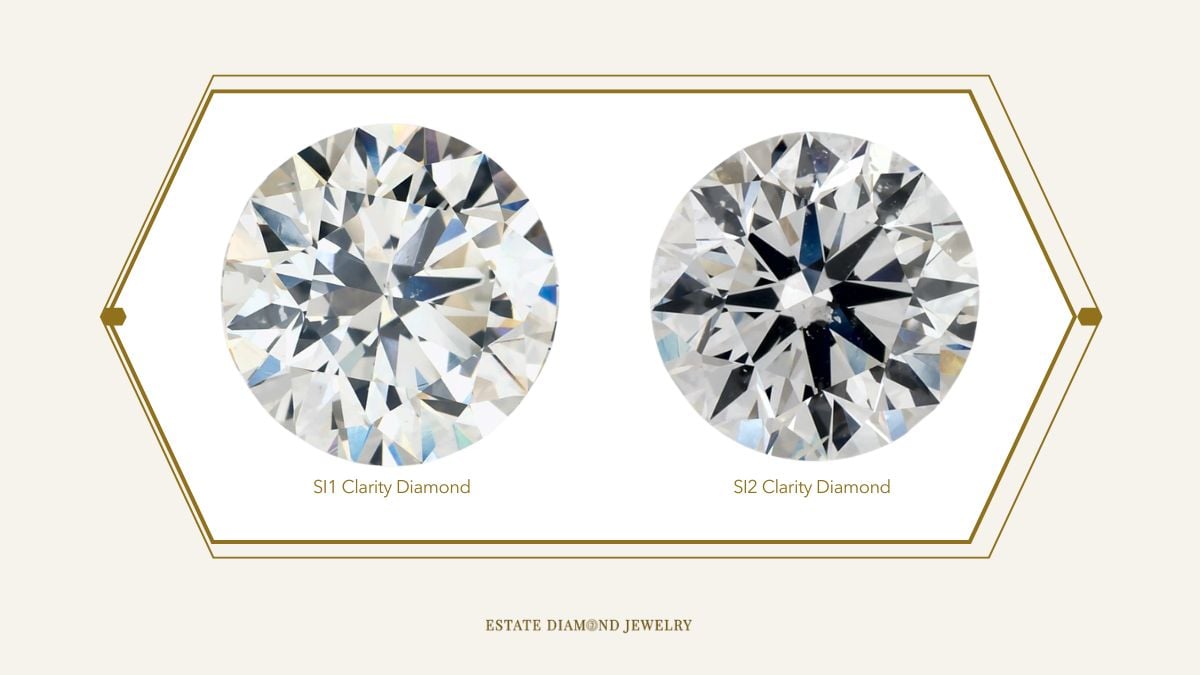
SI1 diamonds are generally a much safer bet for those who want a diamond that appears clean to the naked eye. While both grades fall under “Slightly Included,” the SI1-level inclusions tend to be smaller, lighter, and better hidden.
With SI2 clarity, inclusions are often darker or more centrally located. If your budget allows for SI1, it’s typically a better balance of value and appearance, though if you have good guidance, a well-chosen SI2 can sometimes look just as clean.
SI2 Clarity vs I1 Clarity
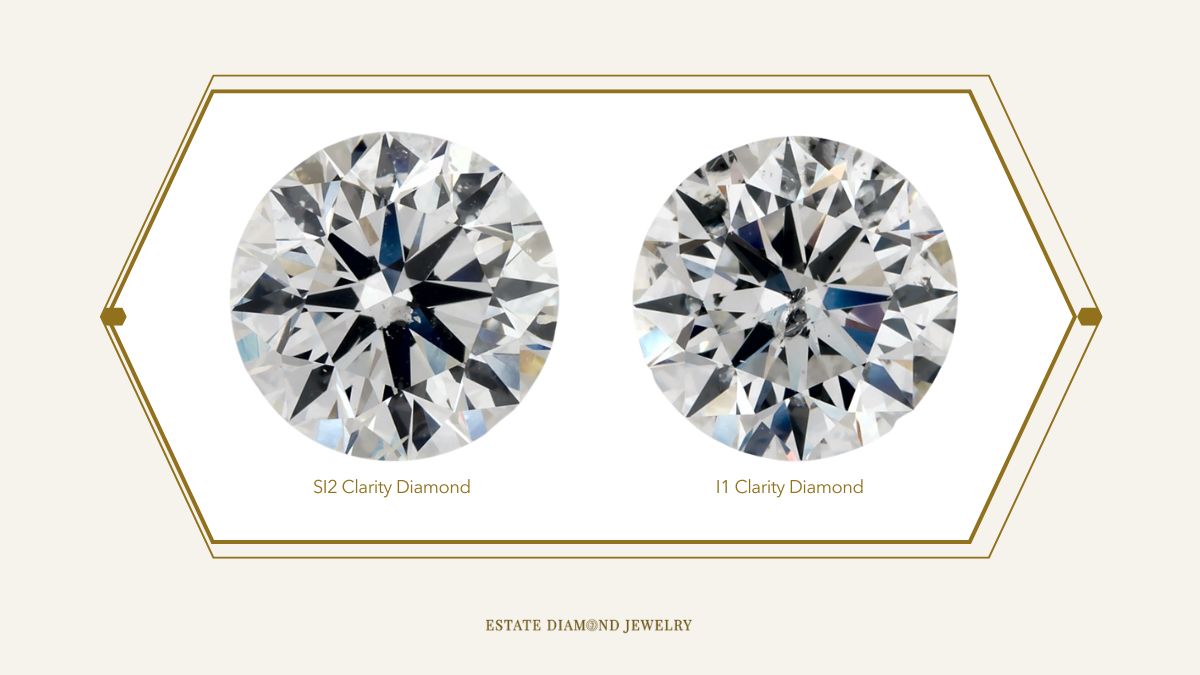
There’s a significant drop from SI2 to I1. I1 clarity diamonds almost always have obvious inclusions, many of which can be seen without magnification and may affect durability. SI2, while not flawless, still offers a chance to find a visually appealing diamond, especially when inclusions are strategically placed. If you’re considering I1, it’s often worth stretching your budget slightly for a better SI2 stone.
Where SI2 Clarity Sits On The Clarity Scale

SI2 clarity sits on the lower-middle part of the diamond clarity scale, just above the I1, I2, and I3 grades (which stand for “Included”) and just below SI1, VS2, and the higher clarity levels. The full GIA clarity scale goes from Flawless (FL) at the top, through Internally Flawless (IF), Very Very Slightly Included (VVS1 and VVS2), Very Slightly Included (VS1 and VS2), Slightly Included (SI1 and SI2), and finally the Included grades.
SI2 is the final step before diamonds start to consistently show eye-visible flaws and structural issues, which makes it an important (and sometimes risky) cutoff point for buyers who want beauty without the top-tier price.
Frequently Asked Questions
1. Are SI2 Diamonds Eye-Clean?
Some SI2 diamonds are eye-clean, but most are not. It depends on the type, size, and location of the inclusions. Eye-clean SI2 diamonds do exist, but they are the exception rather than the rule. That’s why it’s so important to view the diamond or get expert advice before purchasing.
2. Is It Safe to Buy an SI2 Diamond Online?
It can be safe to buy an SI2 diamond online if you’re buying from a reputable seller who provides clear images, magnified videos, and detailed certification. Always make sure there’s a return policy in case the diamond doesn’t meet your expectations when seen in person.
3. Can SI2 Diamonds Be Used for Engagement Rings?
Yes, many SI2 diamonds can work beautifully in engagement rings, especially when chosen carefully. A well-cut SI2 with strategically placed inclusions can appear stunning once set and can help maximize size for your budget.
4. Do SI2 Diamonds Hold Their Value Over Time?
SI2 diamonds tend to retain value reasonably well, but not as strongly as higher clarity grades like VS or VVS. Because they’re less rare and more variable in quality, resale value depends heavily on the individual diamond’s appearance and certification.
5. How Can I Hide Inclusions in an SI2 Diamond with the Right Setting?
The right setting can make a big difference in how visible the inclusions appear. Inclusions near the edge can often be hidden under prongs or bezels, while halos and vintage-style mounts can distract the eye from minor imperfections.
6. Are Vintage SI2 Diamonds Better Than Modern Ones?
In many cases, yes. Vintage SI2 diamonds often have warmer tones, chunkier facet patterns, and more forgiving cuts that help camouflage inclusions. They also tend to be set in styles that naturally draw attention away from flaws and enhance the overall charm of the diamond.
Final Thought: Is the SI2 Clarity Diamond a Good Idea?
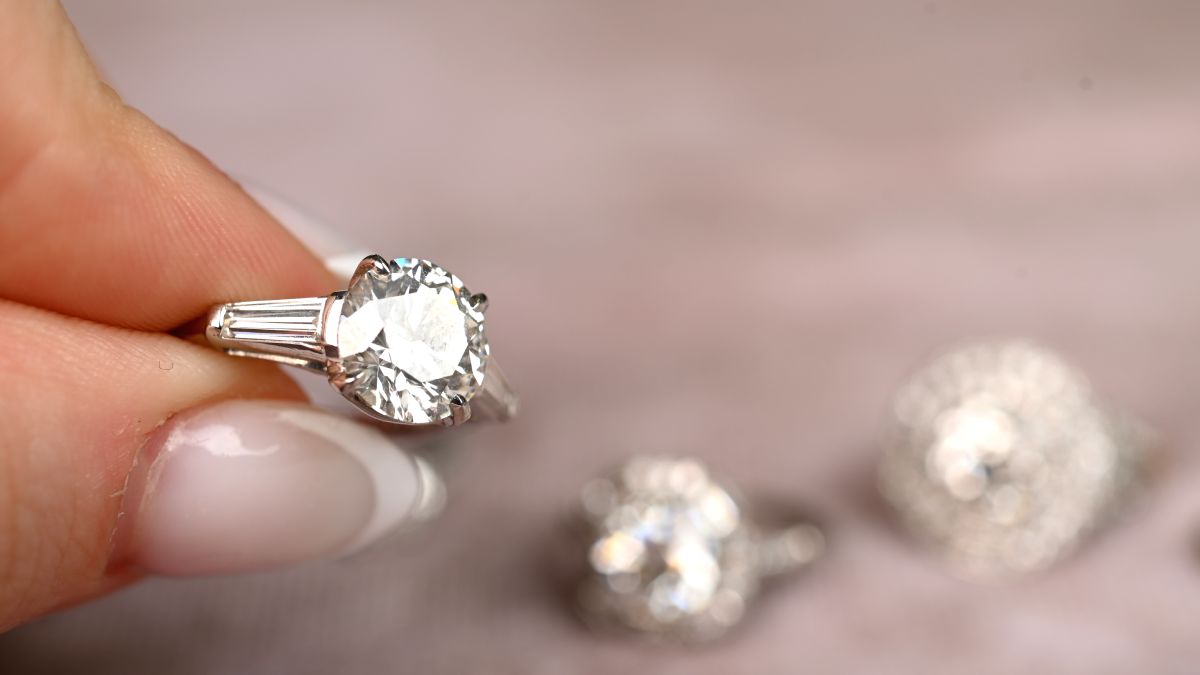
SI2 clarity diamonds definitely come with risks, but they also offer unique rewards. For buyers who are willing to do their homework (or work with a jeweler they trust) SI2 can be the gateway to owning a larger, whiter diamond that would otherwise be out of budget. That’s why, despite the controversy, SI2 remains one of the most popular clarity grades on the market. It allows shoppers to prioritize carat size and cut quality while still keeping the diamond within a reasonable price range.
However, not all SI2 diamonds are created equal. The clarity grade alone doesn’t tell the full story, and the difference between a great SI2 and a poor one is massive. To make a smart choice, it’s essential to carefully inspect the stone, ask the right questions, and understand what types of inclusions you’re dealing with. If chosen wisely, an SI2 clarity diamond can be a brilliant purchase, offering beauty, size, and value all in one.
Still unsure if an SI2 diamond is the right choice for you? Speak with one of our expert gemologists. We respond within one business hour and can help you find the perfect diamond for your style and budget.
