
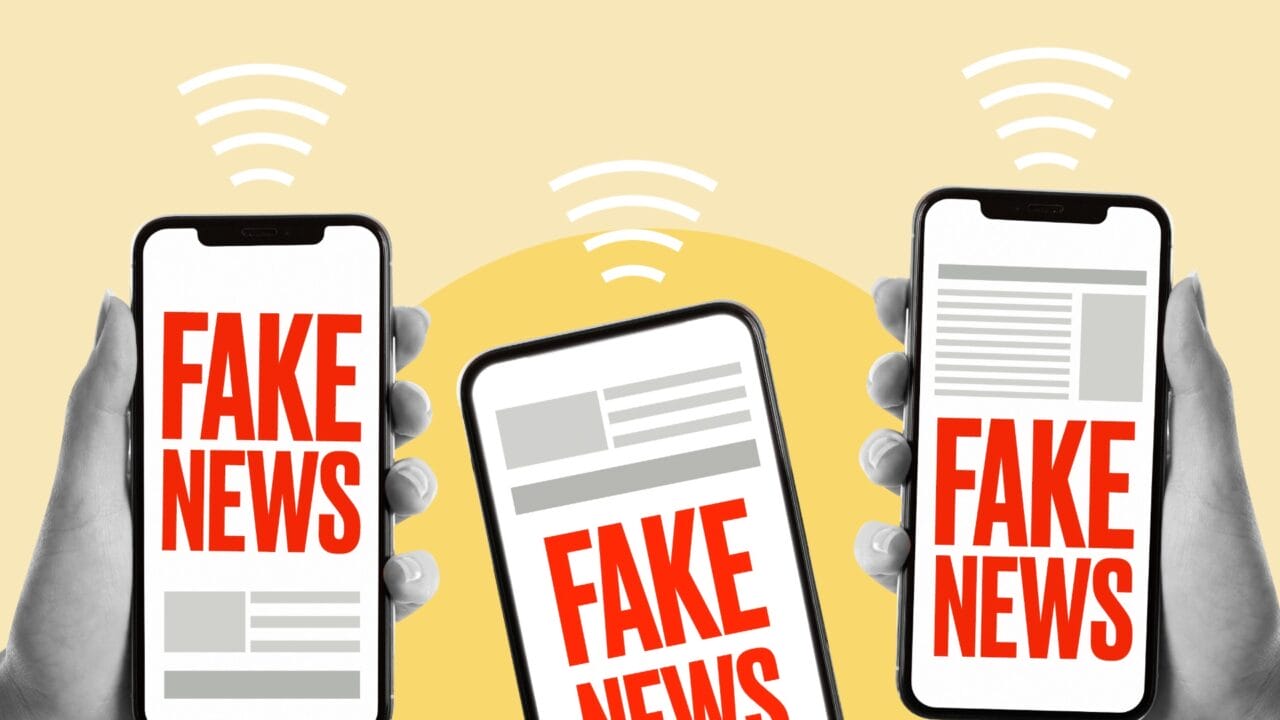

Unfortunately, fake health information in our world are as often as long dumbbells in a CrossFit box. Misorial formations are widely as a recurring problem in the public health environment of South Africa, documented researchers and factors who marked persistent health myths after the Covid 19 summit. And it is essential to have fake health information: The WHO emphasizes that misinformation undermines the reactions of public health.
In the event of health emergencies (such as covid), misinformation is spreading the most. Here you can find out how you can recognize fake health information and – and – and everyone who loves can protect yourself from falling prey.
#1 Check the URL
Locations that end in .gov, .edu or .org (government authorities, universities and non -profit organizations) are usually the most trustworthy. DOT coms from news organizations can be good if your reporters are thorough (we are at Women’s Health Sticklers for accuracy for recording). What is harmful: URLS that end in .co that often aims to imitate real news agencies.
#2 See who is quoted
If your health information in question is on a website or message page, you know that a good journalist interviews several sources, including the study author. A really ACE story is linked to a study to confirm health information and other experts. Take 30 seconds to google them.
Reliable stories tap certificates that actively examine academics (DRS, PhDS) in which the area is reported. In other words, a homeopathic healer who comments on the genetics of cancer should be a red flag. The same applies to information on Insta, TikTok or somewhere else: someone who has advice on a state of health should be an experienced specialist in this area.
#3 Find confirmation
If the health information in the TikK video is solid, you will probably find other documents and experts who repeat this information in your content on social media or on a reputable website. If not, you may have carried out and rejected your research. A viral post + no other cover → red flag. When someone quotes a study, find out who financed it, where it was published, how big the study was and whether it was examined by experts. Tiny Studies, Preprints or Anonymous Sources need additional skepticism.
#4 Use fact checks
For suspicious claims, check the factual examination (Afrikeck in SA, complete facts, Poynter/Politifact, Snopes or the National Ministry of Health). Many claims have already been exposed.
#5 Check the language
Health information should be informative without being emotionally charged. Someone who urges an agenda (e.g. tries to sell a supplement) will appeal to her feelings, not on her brain. Similarly, the sensational language probably serves to guide information about the effectiveness of something. “Breakthrough: Tomatoes reduce the risk of heart attack” you will make you click, but the story should offer a context at the front instead of hiding the restriction that you have to eat a truck load tomatoes a day to use all the advantages.
#6 Follow high quality sources online
A content creator who is a qualified, registered doctor is a better place to find out about health information than someone without these qualifications. Do not follow or silent pages/accounts that repeatedly share sensational health claims. Algorithms reward the commitment – unloading reduces future similar content. Use on Facebook/Instagram/TikTok/YouTube “Not interested/see fewer posts such as this/silent” – signal your settings.
This story was first written by Tracy Middleton and published on www.womenshealthhmag.com. Additional reporting by the team of women’s health.
