
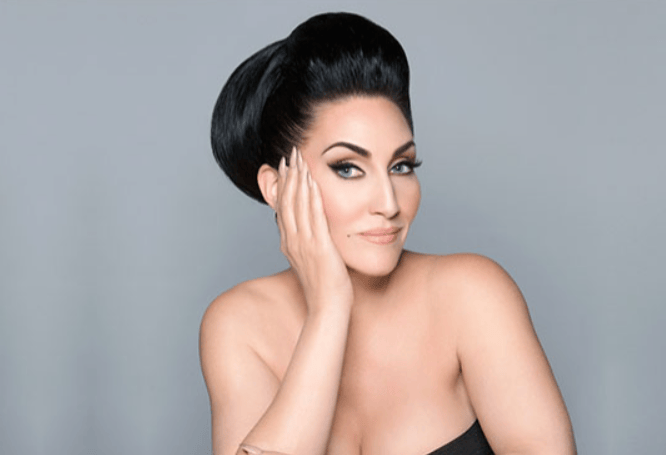

Michelle Visage is a dynamic Diversity & Inclusion speaker, media personality, and advocate for LGBTQ+ rights. Best known as a long-standing judge on RuPaul’s Drag Race, Michelle has been at the forefront of championing representation, self-expression, and breaking down societal barriers. As a passionate speaker, she empowers audiences with her insights on gender equality, inclusivity, and authenticity. We spoke to Michelle to explore the importance of representation in media, challenging stereotypes, and embracing individuality to create a more inclusive world.
How significant is authentic LGBTQ+ representation in mainstream media?
“For me, authentic LGBTQ+ representation in mainstream media is absolutely vital. Growing up, being gay in the media was often portrayed as a parody—an exaggerated, inauthentic caricature, usually of a gay man. It was never real, never valid. It was always the subject of ridicule rather than genuine inclusion.
So now, it is crucial to have true LGBTQ+ representation across mainstream media, whether in presenting, acting, or other roles. Gay actors should be playing gay characters, and trans actors should be playing trans roles. This authenticity helps move society forward. Playing a gay character when you are not gay is no longer acceptable—it never really was, but it was once tolerated far more than it should have been. Today, actors are more conscious of this.
For example, I auditioned for a drag queen role recently, but I told them I did not feel comfortable taking a role away from an actual drag performer. Instead, I was offered a different role, and it was as simple as that. Actors can make that choice. There are so many talented LGBTQ+ actors out there, so why not cast them? Yes, actors enjoy a challenge, but there are plenty of other roles to explore.”
Why is it crucial to challenge gender stereotypes?
“It is essential to challenge gender stereotypes continuously because, if we don’t, we fail to understand that life exists beyond the binary. The fight is not just for those who already understand; it’s about educating those who don’t and opening their minds through compassion, not force. If we explain things in a way people can relate to, they will be more receptive.
There has always been more to gender than simply male or female. Society just never had the courage to acknowledge it. I remember as a child seeing someone who, at the time, was considered a ‘cross-dresser.’ I was fascinated. I didn’t fully understand it—I was only about six or seven—but I knew it was different, and I wanted to know more. My mother would tell me not to stare, but I was captivated. That was my first moment of realising gender wasn’t as rigid as people made it seem.
I continue to learn today. I have a gay daughter who sometimes identifies as non-binary, and I see firsthand how important it is to respect and validate people’s identities. We need to stop forcing rigid beliefs onto others and instead embrace people for who they truly are. If someone asks to be referred to as ‘they/them,’ you might roll your eyes—but that doesn’t mean you can’t respect their identity. It’s simple: mind your own business, respect people’s wishes, and expect the same respect in return. At the end of the day, another person’s gender identity doesn’t change who you are. It’s bizarre that we’re still debating this in the 21st century.”
Why are acceptance and inclusion so important, and what are the consequences of a lack of inclusivity?
Michelle: “Being accepted and included should be straightforward, but it isn’t. Even within their own race, gender, or community, people sometimes struggle to accept and uplift one another. This often stems from self-loathing or internalised biases.
Many women don’t support other women. Many members of the LGBTQ+ community don’t lift each other up. This is damaging, especially for groups that have fought so hard for their rights. To turn against each other now does a disservice to all the trailblazers who came before us.
Women have fought for the right to vote, to lead, to be seen as equals. And yet, society often conditions women to tear each other down rather than lift each other up. It’s ingrained—look at how, when a man cheats, women are more likely to blame ‘the other woman’ rather than the man himself. It took me years to realise that some women don’t want to support each other—they’ve been conditioned to compete instead. Even the term ‘catty’ reinforces this stereotype.
This is why inclusivity matters. When TV shows depict women constantly fighting, it sets a damaging precedent. Of course, disagreements happen—that’s human nature—but perpetuating the idea that women are always at odds does more harm than good.
Right now, so many people are struggling. Instead of tearing each other down, we should be helping one another up. That’s why, when people reach out to me online saying they feel unloved or without a family, I always tell them, ‘I love you.’ And I mean it. Everyone deserves to feel accepted and valued.”
What advice would you give to those who are struggling?
“For anyone struggling right now, I want you to know—you are not alone. For the first time in history, the entire world is experiencing a collective struggle. There is solace in that. You are not the only one feeling this way.
Right now, so many people are dealing with anxiety, depression, loneliness, addiction, and abuse. Some are stuck in unsafe situations, unable to leave. It’s a difficult time. But remember, there is light at the end of the tunnel. We will get through this. We will rebuild.
This period has been a global reset—an opportunity to start fresh. Second chances do not come often, but we have one now. We can choose to live healthier, love ourselves more, and connect with others in ways we never did before. Maybe now is the time to reach out to someone you had a falling out with. Maybe now is the time to forgive or ask for forgiveness. You matter. You are loved. And we will get through this together.”
If you could give your younger self one piece of career advice, what would it be?
“If I could give my younger self one piece of advice, it would be: reclaim your power.
I have always been a rule follower. I wasn’t a rebel. If my boss told me to do something, I would do it without question. I played it safe, I took the base salary, and I was just grateful to be there. But looking back, I wish I had been bolder. I wish I had pushed back and challenged the status quo earlier.
I spent 17 years in radio, hosting morning shows in multiple states, and I was damn good at it. I was the top female morning drive host in New York City—no small feat. But I wasn’t aggressive in negotiating my worth. I didn’t demand more.
It took me until my thirties to start breaking the rules, to realise that I had to push the boundaries to make history. So, my advice to young people is don’t be afraid to challenge the norm. Ask, ‘What if we did it this way?’ The worst that can happen is someone says no. But the best? You could change everything.”
This interview with Michelle Visage was conducted by Chris Tompkins
