

Ozempic Face: Causes, Prevention, and Ayurvedic Strategies for Healthy Aging During Weight Loss

Abstract
The growing popularity of GLP-1 receptor agonists such as Ozempic (semaglutide) has revolutionized weight management by providing effective and sustained weight loss. However, rapid reduction in body weight may lead to aesthetic concerns, particularly facial volume loss, commonly referred to as “Ozempic Face.” This condition is characterized by hollow cheeks, sagging skin, and a prematurely aged appearance resulting from the loss of facial fat and, in some cases, muscle mass. Ayurveda, the traditional system of medicine, offers a holistic perspective on healthy weight management by emphasizing balanced metabolism, tissue nourishment, and rejuvenation. This article explores the causes of Ozempic Face and discusses Ayurvedic dietary, lifestyle, and herbal approaches that may help support healthy skin, preserve tissue integrity, and promote graceful weight loss.
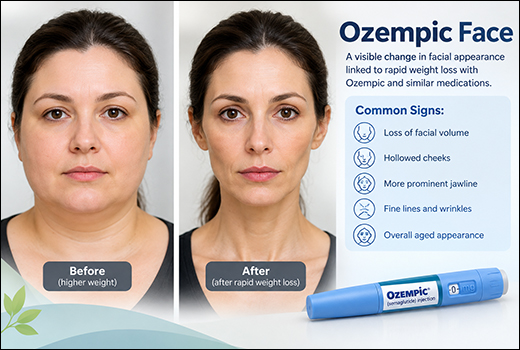
Facts About Ozempic Face
- Ozempic face is a term used to describe facial changes that may occur after rapid weight loss.
- It is caused by loss of facial fat, not by the medication directly.
- Common signs include sunken cheeks, hollow temples, and a gaunt appearance.
- Fine lines and wrinkles may become more noticeable after significant weight loss.
- Loose or sagging skin can develop due to reduced facial volume.
- Anyone experiencing rapid weight loss can develop similar facial changes.
- Older adults may notice these changes more because of natural age-related collagen loss.
- Faster and greater weight loss increases the likelihood of facial volume loss.
- Adequate nutrition, hydration, and strength training may help support healthy tissue maintenance.
- Facial appearance may improve once weight stabilizes.
- Ozempic face is primarily a cosmetic concern and is not usually harmful to health.
- Gradual, balanced weight loss may help reduce the risk of noticeable facial changes.
Introduction
Obesity has become a major global health concern, increasing the risk of diabetes, cardiovascular disease, metabolic syndrome, and several chronic health conditions. In recent years, Ozempic (semaglutide) and similar GLP-1 receptor agonists have gained significant attention for their ability to promote weight loss by reducing appetite and improving metabolic control. While many individuals achieve remarkable results with these medications, rapid weight reduction may sometimes lead to visible facial changes popularly known as “Ozempic Face.” Although not a medical diagnosis, Ozempic Face describes the loss of facial volume and skin elasticity that can accompany substantial weight loss. These changes may affect an individual’s appearance and satisfaction with treatment outcomes. Ayurveda offers valuable insights into maintaining tissue health during weight-loss journeys by focusing on gradual weight reduction, proper nutrition, rejuvenation therapies, and preservation of bodily tissues (Dhatus). Understanding these principles may help individuals achieve weight-management goals while supporting overall wellness and appearance.
What Is Ozempic Face?
“Ozempic Face” refers to facial changes that may occur following significant or rapid weight loss, including:
- Hollow or sunken cheeks
- Loss of facial fullness
- Sagging skin around the jawline
- Increased appearance of wrinkles and fine lines
- Dark circles and tired-looking skin
These changes result primarily from the loss of subcutaneous facial fat rather than a direct effect of the medication itself.
Why Does It Occur?
Facial fat provides structural support and contributes to a youthful appearance. When weight loss occurs rapidly, fat stores in the face may diminish, resulting in:
- Reduced facial volume
- More visible skin laxity
- Enhanced appearance of aging
Contributing Factors Include:
- Rapid weight reduction
- Inadequate protein intake
- Loss of muscle mass
- Increasing age
- Reduced skin elasticity
Ayurvedic Perspective On Ozempic Face
Ayurveda views weight management as a process that should enhance health without causing depletion of essential tissues. While reducing excess Meda Dhatu (fat tissue) is beneficial in obesity, excessive or rapid fat loss may disturb the body’s natural balance. According to Ayurvedic principles, rapid tissue depletion can aggravate Vata Dosha, which governs movement and possesses qualities such as dryness, lightness, and instability. Increased Vata may manifest as dry skin, loss of facial fullness, reduced skin elasticity, and a prematurely aged appearance. Ayurveda therefore emphasizes gradual weight reduction supported by proper digestion (Agni), balanced nutrition, and preservation of tissue strength. The goal is not merely weight loss but maintaining vitality, complexion, and overall well-being while achieving a healthy body composition.
Ayurvedic Strategies To Prevent Ozempic Face
- Follow a gradual and sustainable weight-loss plan whenever possible.
- Ensure adequate protein intake to preserve muscle mass.
- Include healthy fats such as ghee, nuts, seeds, and olive oil.
- Stay well hydrated throughout the weight-loss journey.
- Use Rasayana herbs such as Amla and Ashwagandha under professional guidance.
- Practice daily Abhyanga (oil massage) to nourish the skin.
- Engage in strength-training exercises to maintain facial and body muscle tone.
- Consume antioxidant-rich fruits and vegetables.
- Prioritize quality sleep for tissue repair and skin regeneration.
- Manage stress through yoga, meditation, and breathing practices.
Gradual And Sustainable Weight Loss, Better Choice To Prevent Ozempic Face
Ayurveda emphasizes gradual weight reduction rather than rapid fat loss. Losing weight too quickly can lead to depletion of tissues, aggravation of Vata Dosha, and visible signs of aging such as sagging skin and loss of facial volume. A moderate and sustainable approach allows the body, skin, and connective tissues to adapt to changing body composition.
Practical Tips:
- Aim for steady weight loss rather than extreme calorie restriction.
- Avoid skipping meals or following crash diets.
- Eat freshly prepared, nutrient-dense meals at regular times.
- Combine weight-loss medication with healthy dietary and lifestyle practices rather than relying solely on appetite suppression.
Importance Of Preservation Of Muscle Tissue In Ozempic Face
From an Ayurvedic perspective, maintaining Mamsa Dhatu (muscle tissue) is essential for strength, metabolism, and healthy body contours. Loss of muscle mass during weight reduction may contribute to a hollow or aged appearance.
Practical Tips:
- Include adequate protein from lentils, beans, dairy products, tofu, nuts, seeds, or other suitable protein sources.
- Engage in resistance exercises such as weight training, yoga, or bodyweight exercises 2–3 times weekly.
- Avoid excessively low-calorie diets that may accelerate muscle loss.
- Ensure adequate recovery and rest after exercise.
Rasayana Herbs For Rejuvenation In Ozempic Face
Rasayana therapy is a specialized branch of Ayurveda that promotes longevity, vitality, tissue nourishment, and healthy aging. During weight loss, these herbs may help support skin health, muscle strength, energy levels, and overall resilience, thereby reducing the appearance of tissue depletion and premature aging.
- Amalaki (Emblica officinalis) is a potent antioxidant-rich herb traditionally used to support skin health, collagen synthesis, immunity, and overall rejuvenation. It helps maintain natural radiance and protects tissues from oxidative stress.
- Ashwagandha (Withania somnifera) is a renowned adaptogen that supports muscle strength, stamina, stress management, and healthy aging. It may help preserve lean body mass during weight-loss programs.
- Guduchi (Tinospora cordifolia) is valued for its rejuvenating, immune-supportive, and metabolism-balancing properties. It promotes vitality and supports the body’s adaptation to physiological stress.
- Shatavari (Asparagus racemosus) is traditionally used to nourish tissues, support hydration, and maintain overall strength and vitality.
- Bala (Sida cordifolia) is traditionally regarded as a strengthening herb that supports muscle tissue, physical endurance, and recovery. It helps maintain vitality and tissue integrity during periods of weight reduction.
- Shilajit (Asphaltum punjabianum) is a classical Ayurvedic rejuvenator rich in minerals and bioactive compounds. It is traditionally used to enhance energy, stamina, strength, and healthy aging while supporting overall vitality.
- Yashtimadhu (Glycyrrhiza glabra), commonly known as Licorice, is valued for its nourishing and soothing properties. It supports skin health, hydration, and tissue repair, helping maintain a healthy complexion.
- Mandukaparni (Centella asiatica) is widely recognized for supporting skin elasticity, connective tissue health, and healthy aging. It is often used in Ayurvedic formulations aimed at maintaining youthful skin and promoting tissue regeneration.
Healthy Dietary Fats For Prevention Of Ozempic Face
While reducing excess fat is often the goal of weight-loss programs, Ayurveda does not recommend eliminating healthy fats completely. Healthy fats help nourish tissues, maintain skin moisture, and support hormonal balance.
Practical Tips:
- Include small amounts of cow’s ghee in meals.
- Consume nuts such as almonds and walnuts in moderation.
- Add seeds such as flaxseeds, pumpkin seeds, or chia seeds to the diet.
- Use olive oil or avocado as part of balanced meals.
- Avoid excessive consumption of highly processed and trans-fat-rich foods.
Abhyanga (Oil Massage) For Prevention Of Ozempic Face
Abhyanga is a traditional Ayurvedic self-massage practice that helps counteract dryness, nourish the skin, and support healthy circulation. Regular oil massage is particularly beneficial when Vata Dosha is elevated due to rapid weight loss, as it helps maintain skin softness, elasticity, and overall tissue health.
Several Ayurvedic oils can be used depending on an individual’s constitution and skin needs:
- Sesame Oil (Tila Taila): Considered the best oil for balancing Vata. It deeply nourishes tissues, improves skin hydration, and helps reduce dryness.
- Almond Oil: Rich in vitamin E and essential fatty acids, it supports skin softness, elasticity, and a healthy complexion.
- Coconut Oil: Cooling and soothing, it is particularly suitable for individuals with Pitta predominance or sensitive skin.
- Kumkumadi Anti-AgeingThailam: A classical Ayurvedic facial oil containing saffron and other herbs, traditionally used to promote skin radiance and healthy aging.
- Balashwagandha Oil: Enriched with Bala (Sida cordifolia), Ashwagandha (Withania somnifera) this oil supports muscle strength, tissue nourishment, and recovery.
Hydration And Skin Support In Ozempic Face
Proper hydration is essential for maintaining skin elasticity and overall tissue health. Dehydration can worsen dryness and make facial volume loss more noticeable.
Practical Tips:
- Drink adequate water throughout the day.
- Consume hydrating foods such as cucumber, watermelon, oranges, and seasonal fruits.
- Include soups, herbal teas, and freshly prepared vegetable broths.
- Increase intake of colorful fruits and vegetables rich in antioxidants and vitamins.
- Limit excessive caffeine and sugary beverages that may contribute to dehydration.
Importance Of Sleep In Ozempic Face
Ayurveda considers Nidra (sleep) one of the three pillars of health, alongside diet and balanced lifestyle. During sleep, the body undergoes repair and regeneration processes that support skin health, hormonal balance, and tissue recovery.
Practical Tips:
- Aim for 7–8 hours of quality sleep each night.
- Maintain a consistent sleep schedule.
- Avoid heavy meals, excessive screen exposure, and stimulating activities before bedtime.
- Practice relaxation techniques such as meditation, deep breathing, or gentle yoga in the evening.
- Create a calm sleep environment to support restorative rest.
Facial Exercises For Ozempic Face
Facial yoga consists of targeted exercises designed to engage the muscles of the face and neck. While it cannot replace lost facial fat, regular practice may help improve muscle tone, circulation, and facial appearance.
Cheek Lifter
- Open your mouth to form an “O”.
- Position your upper lip over your teeth.
- Smile using your cheek muscles.
- Place fingers lightly on the top of the cheeks and lift.
- Hold for 10 seconds.
- Repeat 10–15 times.
Benefits: Helps tone cheek muscles and support facial fullness.
Fish Face Exercise
- Suck in your cheeks and lips.
- Hold the position for 10–15 seconds.
- Relax and repeat 10 times.
Benefits: Strengthens cheek and jaw muscles.
Jawline Lift
- Tilt your head backward.
- Look toward the ceiling.
- Push the lower jaw forward until a stretch is felt under the chin.
- Hold for 10 seconds.
- Repeat 10 times.
Benefits: Helps maintain jawline definition.
Neck Tightener
- Sit upright and gently tilt your head back.
- Press the tongue against the roof of the mouth.
- Hold for 5–10 seconds.
- Repeat 10 times.
Benefits: Supports muscles beneath the chin and neck.
Lion Pose (Simhasana)
- Sit comfortably.
- Open the mouth wide.
- Extend the tongue fully outward.
- Open the eyes wide and exhale strongly.
- Repeat 5–10 times.
Benefits: Improves facial circulation and relieves facial tension.
Forehead Smoother
- Place both palms on the forehead.
- Gently sweep outward while raising the eyebrows.
- Repeat 10–15 times.
Benefits: Helps relax forehead muscles and improve circulation.
Conclusion
Ozempic Face is a cosmetic concern associated with rapid or significant weight loss, primarily due to reduced facial fat, muscle mass, and skin elasticity. While it is not a medical condition, it may affect facial appearance and self-confidence. Preventing or minimizing these changes requires a balanced and gradual approach to weight loss along with proper nutrition, hydration, and muscle preservation. From an Ayurvedic perspective, maintaining equilibrium of Doshas, supporting Agni, and nourishing Dhatus is essential for healthy aging. Incorporating Rasayana herbs, healthy fats, Abhyanga, adequate sleep, and facial exercises can help support skin vitality and tissue strength. Ultimately, the goal is not only weight reduction but also preservation of natural radiance, facial fullness, and overall well-being during the journey of metabolic improvement and lifestyle transformation.
