


Is your scalp burning after a root touch-up? Harsh chemical dyes—especially those that rely on bleach—can strip moisture and irritate your scalp, leading to discomfort and damage. Choosing the best organic mehndi for hair offers a gentle, nourishing alternative that helps you break free from this cycle while supporting healthier, naturally vibrant hair.
Rather than violently stripping strands through chemical lifting, pure henna protects them. Its natural orange-red pigment, called Lawsone, simply coats your cuticle like a tinted cellophane wrap. Using a chemical-free henna powder for grey hair actually doubles as a deep-conditioning treatment.
Picture a sliced apple turning brown on your kitchen counter. That exact natural process of oxidation is how this natural hair dye safely darkens and sets, replacing synthetic damage with brilliant shine.
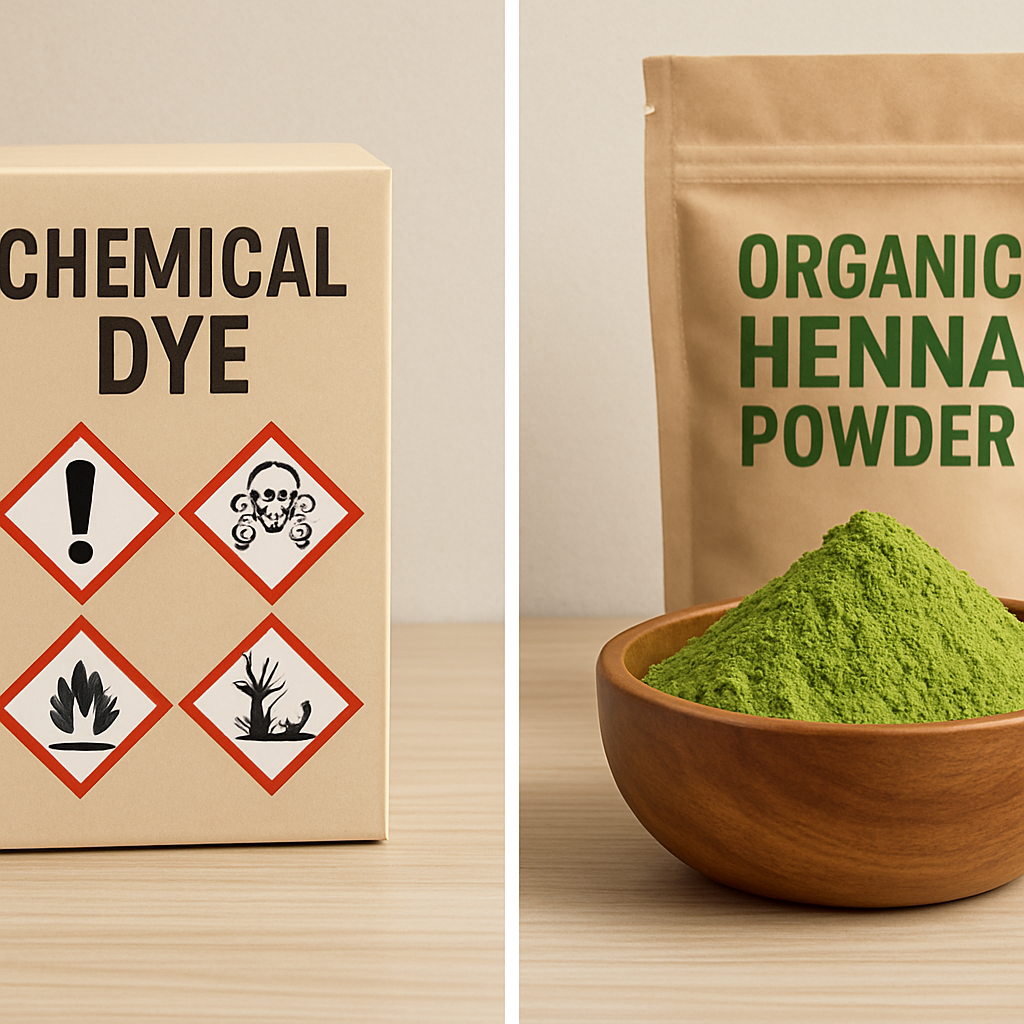
Cracking the Label Code: How to Spot Fake ‘Natural’ Henna
You picked a box covered in green leaves labeled “herbal,” yet your scalp still feels irritated after coloring. This often happens because many conventional dyes rely on bleach and hidden chemical additives that strip moisture and disrupt scalp balance, despite natural-looking packaging.
To truly protect your hair, choosing a metallic salts–free henna powder is essential. Metallic salts are often added to accelerate color development, but they can weaken hair structure and react unpredictably with previously treated or bleached hair—leading to dryness, breakage, or uneven results.
Turning the box around and reading the ingredient list is your strongest safeguard against misleading claims. Authentic, USDA-certified organic hair color brands keep formulations minimal—often just a single, plant-based ingredient.
Keep this quick checklist in mind while shopping:
Red Flags to Avoid: Bleach-based agents, metallic salts, ammonia, and peroxide.
Green Lights to Seek: USDA Organic certification, ECOCERT labels, and Body Art Quality (BAQ) for pure, skin-safe henna.
Texture also plays a critical role in your overall experience. Opting for triple-sifted Rajasthani Sojat mehndi ensures a fine, smooth powder free from coarse particles. This not only makes rinsing easier but also helps create a lump-free paste for even application.
With a high-quality, bleach-free powder selected, achieving rich, long-lasting color comes down to proper mixing techniques—unlocking deep, natural tones while maintaining hair health.
The Secret to Rich Color: Mixing Your Organic Henna for Deep Red Tones
Dumping boiling water into your freshly bought powder is the most common mistake beginners make. Figuring out how to mix henna for deep red color requires a little patience, not extreme heat. Scalding water actually “kills” the Lawsonia inermis botanical benefits and the plant’s natural pigments, leaving you with a weak, brassy stain. Think of it like brewing delicate green tea; warm, gentle liquids work best to coax out the rich color.
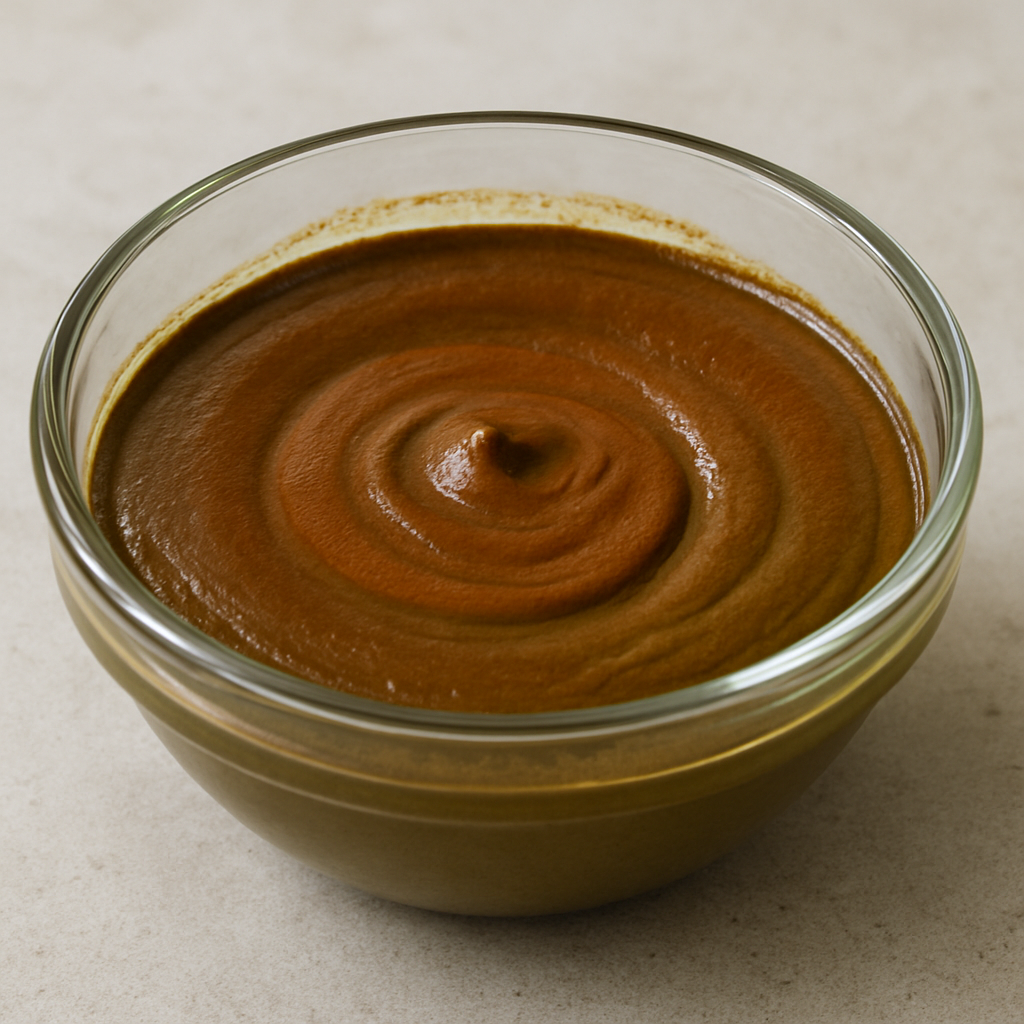
Once stirred to a smooth, yogurt-like consistency, the paste needs time to wake up. This resting phase, known as “dye release,” takes about 8 to 12 hours at room temperature. You will know it is ready when the surface oxidizes, turning from muddy green to a warm brownish-red as the natural dyes release.
To tone down bright hues, clever users stir in acidic plant powders. Transforming your mixture into an organic hair conditioning mask with amla (Indian gooseberry) is a fantastic trick. Amla naturally neutralizes neon orange tones by slightly shifting the pH balance, while simultaneously adding incredible, glass-like shine to dry ends.
Achieving a beautiful, customized shade in your mixing bowl means the hardest part is already over. Proper application technique guarantees step-by-step salon results without the mess.
Step-by-Step Salon Results: Applying Henna Without the Mess
Staring at a bowl of green mud is intimidating if you fear staining your bathroom. Properly preparing hair before applying natural dyes is the secret to a stress-free process; always start with clean, dry hair so the color binds easily. A structured step by step henna application for beginners prevents tangles and ensures those stubborn gray hairs get fully coated right down to the root.
Think of applying mehndi like frosting a cake—you need thick, even coverage. Follow this simple five-step workflow:
- Prepare: Drape an old towel over your shoulders and put on gloves.
- Section: Divide your hair into four quadrants, working “top-down” from the crown to keep messy ends out of your way.
- Apply: Slather the paste thickly, massaging it directly into the scalp to guarantee full gray coverage.
- Wrap: Bundle your coated hair securely into a shower cap.
- Rinse: Wash thoroughly with warm water once the time is up.
Sealing that cap tightly with plastic wrap creates a “Heat Trap,” utilizing your natural body warmth to gently open the hair cuticles. This clever trick improves color absorption and answers how long to leave organic mehndi in hair—usually reducing the wait to just two to four hours. While this process yields a stunning copper glow, those wanting a darker shade must weigh Indigo vs. Henna to achieve the perfect jet black without chemicals.
Indigo vs. Henna: Achieving the Perfect Jet Black Without Chemicals
Craving rich black hair doesn’t mean you have to compromise your scalp or hair health. Many conventional box dyes rely on bleach and harsh chemicals that strip natural moisture, weaken strands, and trigger irritation—despite being marketed as “gentle” or “herbal.”
For a truly natural route, pure plant-based coloring remains the gold standard. Using Indigofera tinctoria (indigo powder) along with pure mehendi offers a safe, botanical way to achieve deep, dark tones without bleach-related damage.
How the Henna + Indigo Method Works
Creating a natural black shade requires a two-step layering process:
Step 1 (Henna):
Acts as a base layer, leaving a natural red/orange tint that prepares the hair.
Step 2 (Indigo):
Applied over the henna base to deposit cool blue-green pigments.
The Result:
These tones combine to create rich dark brown to jet black shades—completely bleach-free.
If your color looks uneven or too light, it usually means the henna base was too thin. Reapplying henna strengthens the foundation and improves color depth.
The Reality: Natural, But Time-Intensive
While this traditional method is effective, it requires time, patience, and precise application—often taking up to 24–48 hours for full color development and oxidation.
A Smarter Alternative for Modern Lifestyles
If you don’t have the time or patience for the full henna-indig o routine but still want to avoid bleach-based damage, Nilini Natural Hair Color by Shesha Ayurveda offers a high-performance alternative.
Formulated with Ayurvedic ingredients, Nilini delivers:
- Rich natural black and dark brown shades
- Effective grey coverage
- A bleach-free, ammonia-free coloring experience
- Nourishment alongside color
It bridges the gap between traditional herbal care and modern convenience—giving you the benefits of natural coloring without the lengthy process.
Final Takeaway
Switching away from bleach-heavy dyes puts you back in control of your hair health. Whether you choose the traditional henna-indigo ritual or a ready-to-use solution like Nilini, the key is prioritizing gentle, plant-based coloring that supports long-term hair strength, shine, and scalp comfort.
henna or Hairdye ?
choose wisely
Henna vs hair dye—discover the best choice for your hair. Learn how natural henna compares to chemical dyes, bleach impact, grey coverage, and scalp health for safer coloring.
