


Zambian emeralds are among the most sought-after gemstones in the world, celebrated for their rich green hues and exceptional clarity. This expert guide is written by celebrity jeweler Benjamin Khordipour G.D., GIA-certified gemologist, CNBC-featured expert, and respected jewelry author and lecturer.
Skip: Pros and Cons | Cost for Zambian Emeralds | Zambian vs Colombian | Shop Zambian Emeralds
What is a Zambian Emerald?
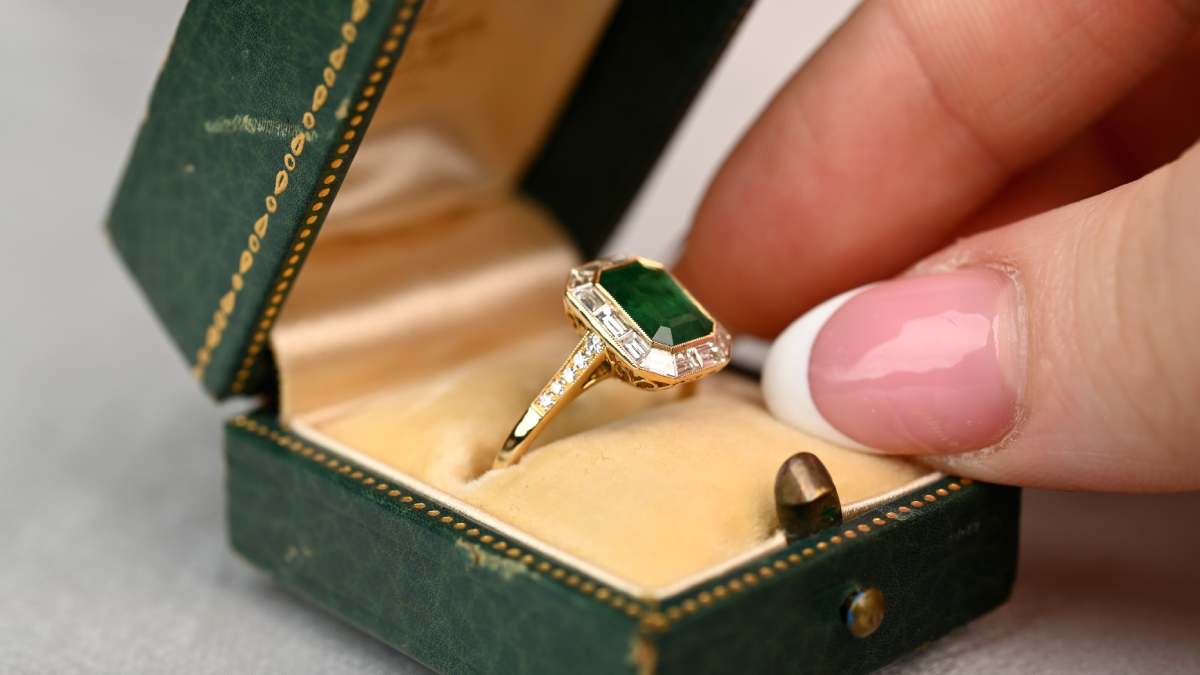
A Zambian emerald is a vibrant green gemstones mined in Zambia, a country in southern Africa.
Zambian emeralds are part of the beryl family of minerals, just like all emeralds, but what sets them apart is their deep, rich green color often mixed with a slight bluish tint. This beautiful color comes from the presence of chromium, vanadium, and iron in the stone. Zambian emeralds are also known for having better clarity than many other emeralds, meaning they often have fewer visible inclusions or flaws.
These gemstones started gaining major popularity in the 1980s, when large deposits were discovered in the Kagem mine, now one of the world’s biggest emerald mines.
Zambian emeralds are a popular choice for engagement rings, fine jewelry, and collectors. Because Zambia has a reputation for ethical and regulated mining practices, these emeralds also offer peace of mind to buyers who want responsibly sourced gems.
Pros and Cons of Zambian Emeralds

Zambian emeralds come with a number of appealing advantages over other emeralds. Pros: One of their biggest strengths is their lack of inclusions and overall clarity. Zambian emeralds typically have fewer internal-flaws compared to Colombian emeralds, making them more transparent and easier to set in jewelry. Their color is another major benefit as the green often has a slight bluish tone that many find striking and modern. Zambian emeralds are also generally more affordable than Colombian emeralds of similar quality, offering excellent value. Additionally, many Zambian emeralds are mined using more regulated and ethical practices, which adds to their appeal for conscientious buyers.
However, Zambian emeralds also have a few downsides to consider. Cons: While their bluish-green hue is beautiful, it’s slightly different from the “classic” pure green color that some collectors associate with emeralds. Also, although they tend to be clearer, Zambian emeralds still often require oiling or treatments to improve appearance.
Lastly, because Colombian emeralds have been prized for centuries, Zambian emeralds don’t always carry the same historical prestige in the eyes of traditional collectors or investors. See below for Zambian emeralds vs Colombian emeralds.
How Much do Zambian Emeralds Cost?
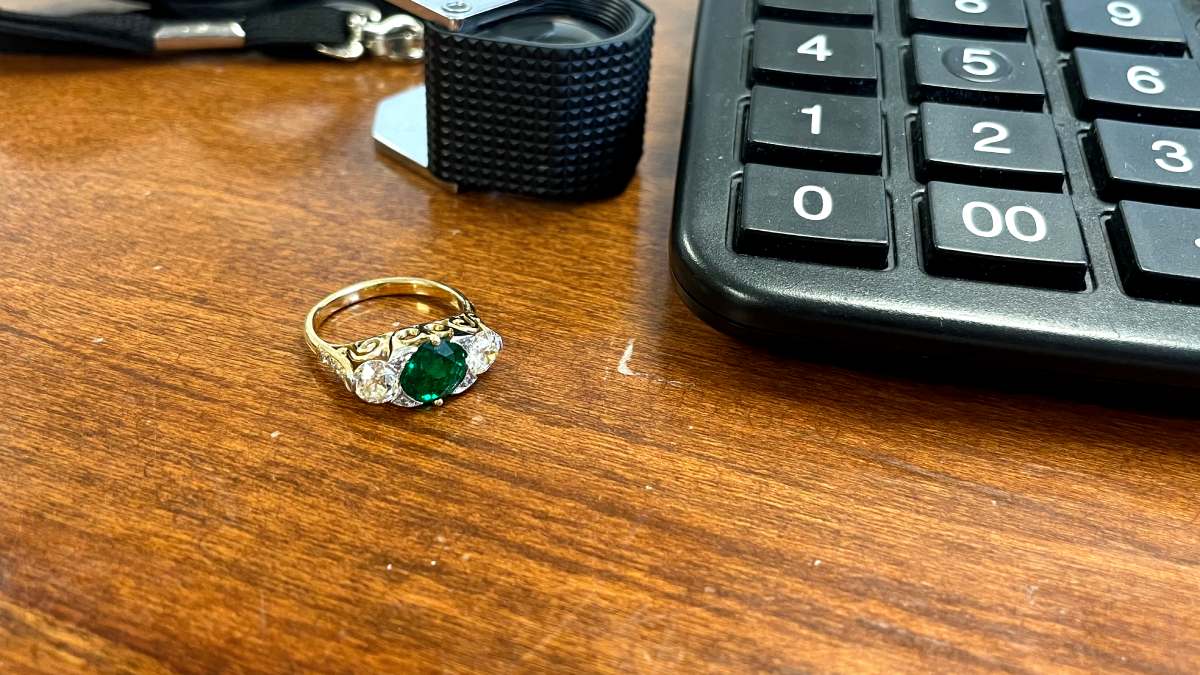
Zambian emerald prices can vary depending on size, clarity, and color, but for vivid and high-quality stones, there are some general price ranges. For emeralds in the 1 to 2 carat range, buyers can expect to pay around $3,000 to $4,000 per carat. Gemstones between 2 to 6 carats typically fall within the $5,000 to $6,000 per carat range. For emeralds over 7 carats with top color and exceptional clarity, prices usually start at $10,000 per carat. These figures reflect high-quality, vivid green Zambian emeralds with strong transparency and minimal treatment.
It’s important to note that extremely rare and truly exceptional Zambian emeralds can go far beyond these numbers. Unique gemstones with perfect saturation, outstanding clarity, and no treatment may command significantly higher prices. While Zambian emeralds are generally considered a more accessible alternative to Colombian emeralds, the finest examples can easily compete in both beauty and value on the global stage.
Shop Zambian Emerald Jewelry
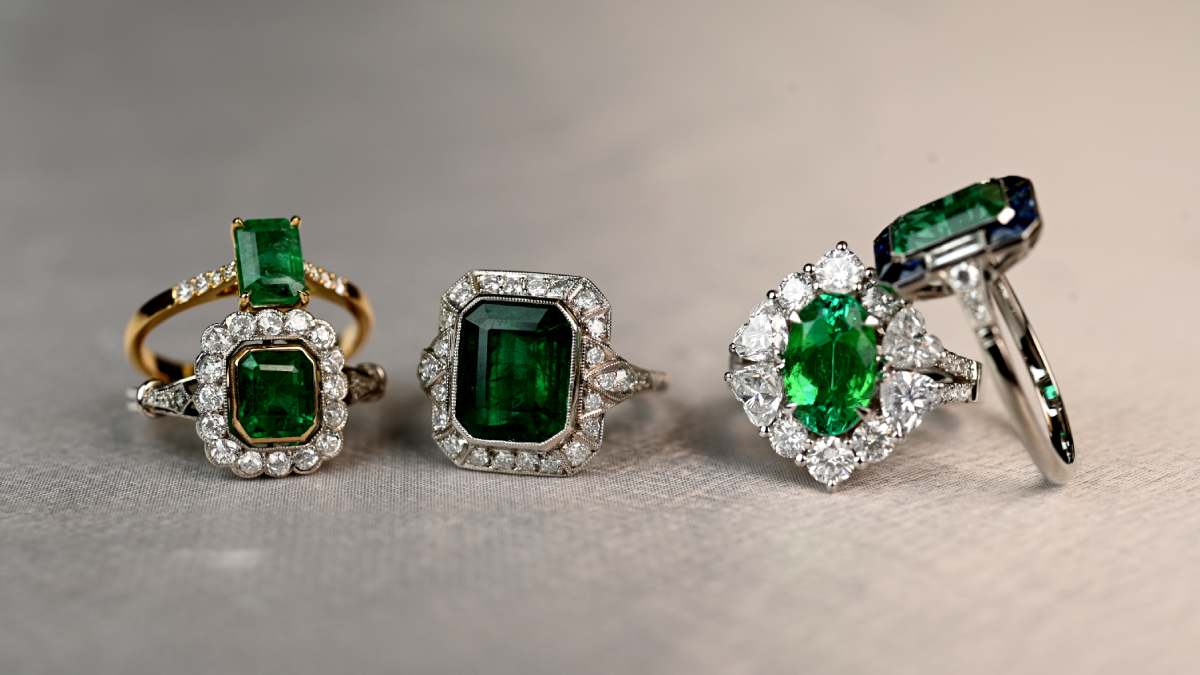
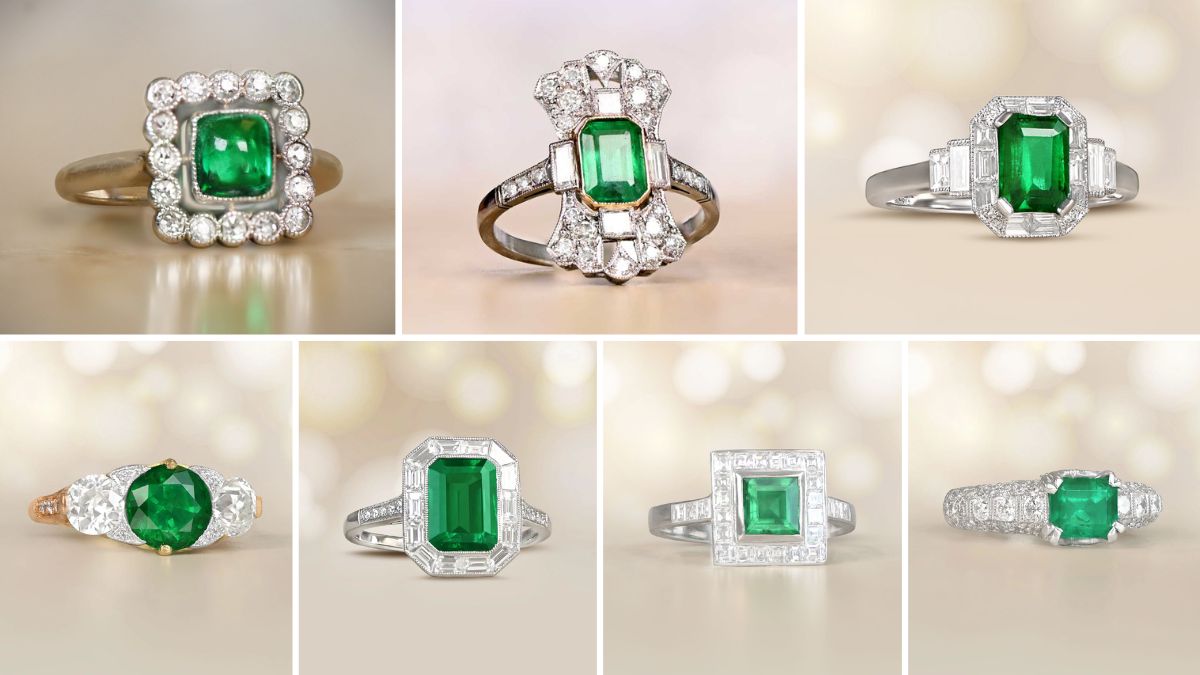
Estate Diamond Jewelry offers an exceptional collection of Zambian emerald jewelry, featuring carefully curated pieces that showcase the vivid green beauty and natural elegance of these remarkable gems.
While many of our stunning Zambian emerald rings and earrings can be browsed directly on our website, we also have a private selection of rare and one-of-a-kind pieces available exclusively by request.
Zambian Emeralds Gemstones vs. Colombian Emeralds Gemstones
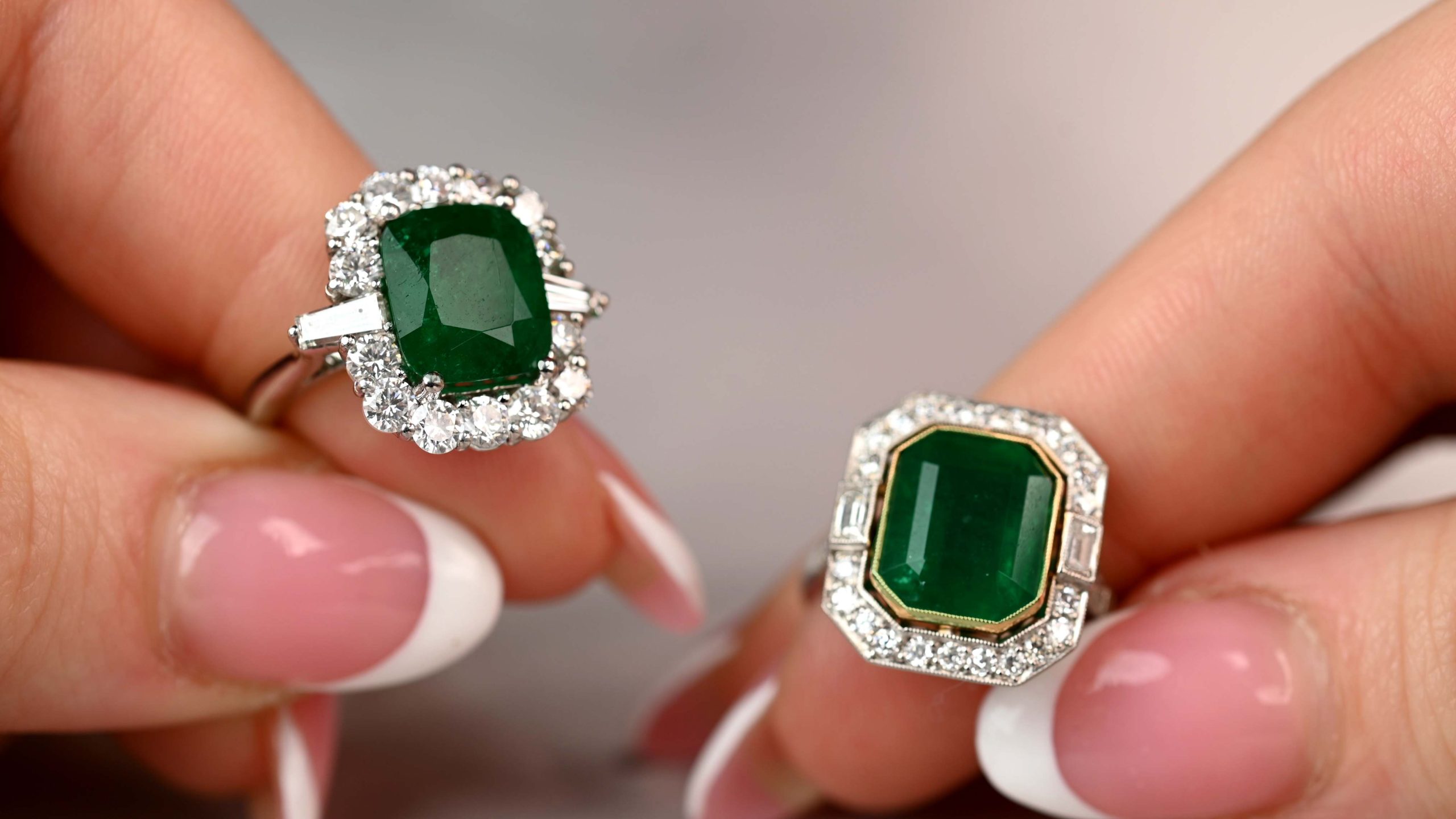
The most notable difference between Zambian emeralds and Colombian emeralds lies in their color and clarity.
Zambian emeralds typically have a slightly bluish-green hue and tend to be clearer, with fewer inclusions, making them more durable and easier to cut.
In contrast, Colombian emeralds are prized for their vivid, pure green color, which many consider the classic emerald look. That being said, Colombian emeralds will usually contain more inclusions or “jardin,” which can affect both their transparency and structural integrity.
While both origins produce stunning stones, buyers often choose between them based on whether they value rich color (Colombian) or cleaner clarity (Zambian).
| Zambian Emeralds | Colombian Emeralds | |
|---|---|---|
| Saturation | Medium to high saturation | Highly saturated with intense green |
| Hue | Green with a subtle bluish undertone | Vibrant green without noticeable secondary hues |
| Clarity | Typically better clarity with fewer inclusions | Often contains more inclusions |
| Typical Price Range | Mid-Range | Expensive |
| Market Availability | Increasingly available | Gemstone-quality are very rare |
| Treatment Prevalence | Almost always oil-treated | Usually oil-treated. Rare gemstone-quality are “no-oil”. |
| Investment Potential | Growing reputation; strong resale value for top stones | Long-standing investment appeal among serious collectors |
| Cultural Significance | Gained global attention in 1990s | Historical prestige among royalty and nobility for centuries |
| Inclusion Types | Less visible inclusions | Usually contains prominent inclusions |
| Gota de Aceite Effect | Rare | Frequently found in top-quality gemstones |
Read our full guide on Colombian emeralds, written by Benjamin Khordipour.
Zambian Emerald Engagement Rings

If you’re considering a Zambian emerald for an engagement ring, the most important factor to understand is that emeralds are not as hard or durable as diamonds.
“Zambian emeralds are a stunning, modern choice for engagement rings,” says Michael Khordipour. “But they are best for someone who lives gently or is willing to remove the ring before doing anything rough.”
Zambian emeralds rank 7.5 to 8 on the Mohs scale, which means they can scratch or chip with everyday wear if not properly protected. For this reason, the setting you choose will be crucial. We suggest, opting for styles that offer good protection, such as a bezel or halo setting, and avoid high-set solitaire prongs that leave the stone vulnerable.
Also, make sure to ask your jeweler about the emerald’s clarity and any treatments it has undergone. Most Zambian emeralds are oiled to enhance their appearance, and although that’s perfectly normal, but needs to be disclosed.
It’s also important to factor in the gem’s color. The ideal Zambian emerald for an engagement ring will have a vibrant bluish-green hue with good transparency and minimal visible inclusions. While flawless emeralds are almost nonexistent, stones that are “eye-clean” (free of inclusions visible to the naked eye) will perform best in jewelry that’s worn daily. A GIA or UGL certificate will help verify the stone’s authenticity and provide assurance about any treatments.
Afshin’s Tips for Buying a Zambian Emerald

In order to write this section I collaborated with emerald expert Afshin Shaddaie to write our best tips for buying an quality Zambian emerald in today’s market.
1. Finding the Correct Color

When searching for the best color in a Zambian emerald, look for a rich, vibrant green with a hint of blue. This bluish-green hue is the signature tone of top-quality stones from Zambia.
The color should be evenly distributed without dark patches or visible zoning. Additionally, the saturation should be strong, but not so strong that it looks “too dark or murky”.
Afshin recommends viewing the emerald under different lighting conditions, including natural daylight and LED light, to get a full sense of its tone and brightness. To ensure you’re getting the best, ask the seller if the stone is “vivid bluish-green” with medium to high saturation and minimal treatment.
Important Note: A trustworthy expert or gemologist should also be able to provide a detailed grading report or certification that confirms the weight and origin. Always request that documentation before purchasing.
2. Look for Eye-Clean Emeralds
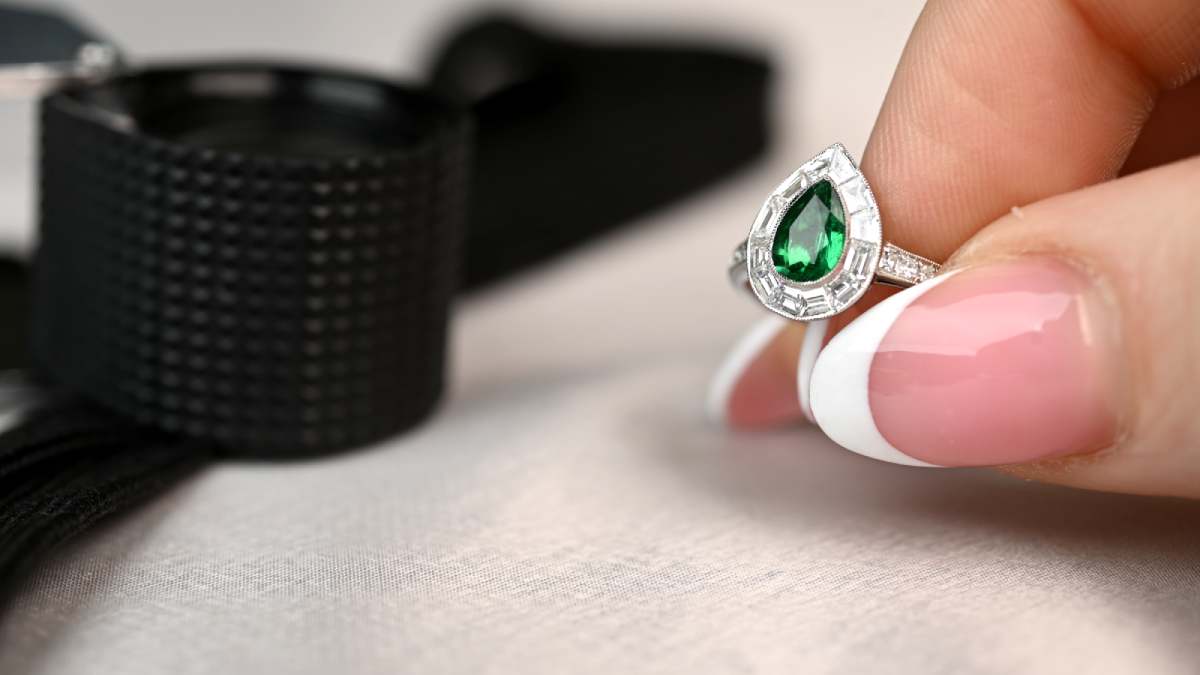
To get the best clarity in a Zambian emerald, aim for stones with minimal visible inclusions, especially in the center or “table” of the gem. This will be where the flaws are most noticeable.
Although Zambian emeralds are known for having better clarity than many other origins, but will still contain natural inclusions. Afshin recommends looking for needles inclusions, veils, or tiny fractures. Additionally, he recommends looking for gemstones where the inclusions are small, white or transparent, and not clustered in one area.
Important: Avoid gemstones with very large black mineral spots or surface-reaching fissures. These inclusions can weaken the structure of the gemstone or cloud the appearance.
When speaking to an expert, ask whether the emerald is “eye-clean” (free of visible inclusions without magnification). We also recommend requesting close-up images or videos under neutral lighting. You can also ask for a gemological report confirming the clarity grade and whether the stone has undergone oiling, which can mask inclusions.
Please keep in mind that, unlike diamonds, emeralds naturally contain some level of inclusions. Even in the finest, gem-quality stones will have inclusions. These internal features are expected and are considered part of the emerald’s unique character.
3. Oil Treatments on Zambian Emeralds

When it comes to Zambian emeralds, it’s important to understand that almost all of them undergo some level of oil treatment to enhance clarity by filling surface-reaching inclusions. This is a widely accepted industry practice and doesn’t necessarily reduce the value of the gem.
The most common treatment involves using colorless cedarwood oil, though some may use synthetic resins.
When examining a stone, look for signs of surface fissures that may have been filled to improve transparency. Ask the expert to disclose the level of treatment (typically classified as none, minor, moderate, or significant) and request documentation from a reputable lab like the GIA or AGL.
4. Ideal Carat Weight for Zambian Emerald
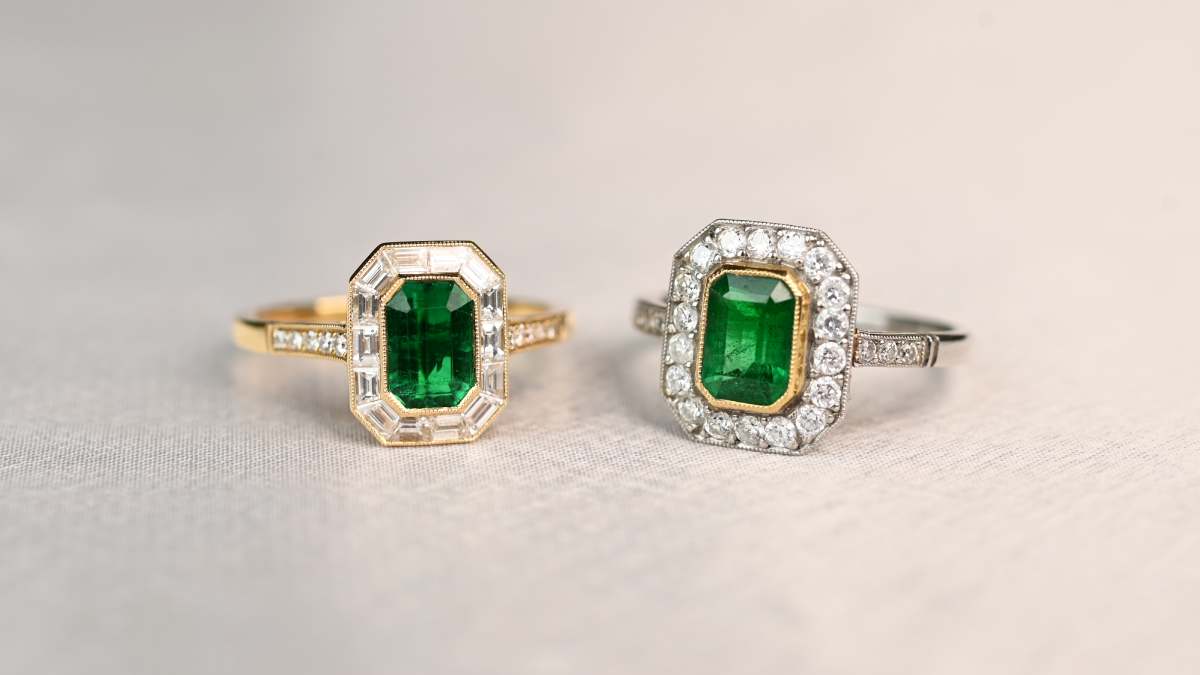
When choosing a Zambian emerald, the ideal carat weight depends on your budget and intended use, but many experts consider the 2 to 5 carat range to offer the best balance of presence, color quality, and value. At this size, Zambian emeralds often display their rich green hue beautifully without the price jump seen in much larger stones.
While smaller stones (under 2 carat) can still be vivid and clean, their color may appear lighter due to the reduced depth. Additionally, the often appear too small when worn on a finger or ear.
Larger stones over 6 carats are rarer and highly prized, and they also command a much higher price per carat.
Always ask your jeweler whether the stone’s weight contributes to its face-up size or if the carat weight is hidden in depth. An expert should be able to show you the difference with side-by-side comparisons.
5. Certification for Zambian Emerald
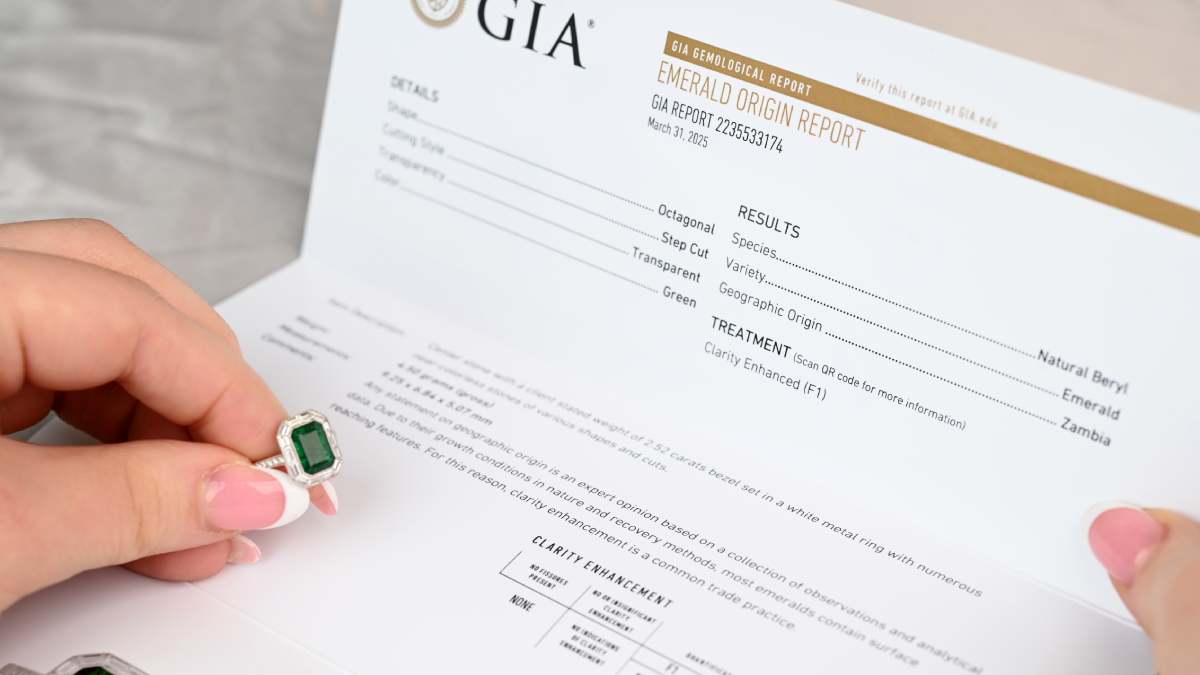
When purchasing a Zambian emerald, certification is still important, but the standards differ slightly from those of Colombian emeralds.
While Colombian stones often demand reports from top-tier labs like AGL or Gübelin to confirm origin and quality, Zambian emeralds are generally held to a more flexible standard. A certificate from respected labs such as GIA (Gemological Institute of America) or UGL (Universal Gemological Laboratory) is typically more than sufficient for confirming authenticity, treatment level, and general quality. These reports will reliably verify the emerald’s identity, carat weight, and whether it has undergone oil treatment.
Unless you’re dealing with a very rare or investment-grade Zambian emerald, there’s usually no need to seek out the ultra-premium certification labs. Additionally, if the emerald is no-oil or no-treatment, you will want an authoritative certificate.
6. How to Evaluate the Zambian Emerald
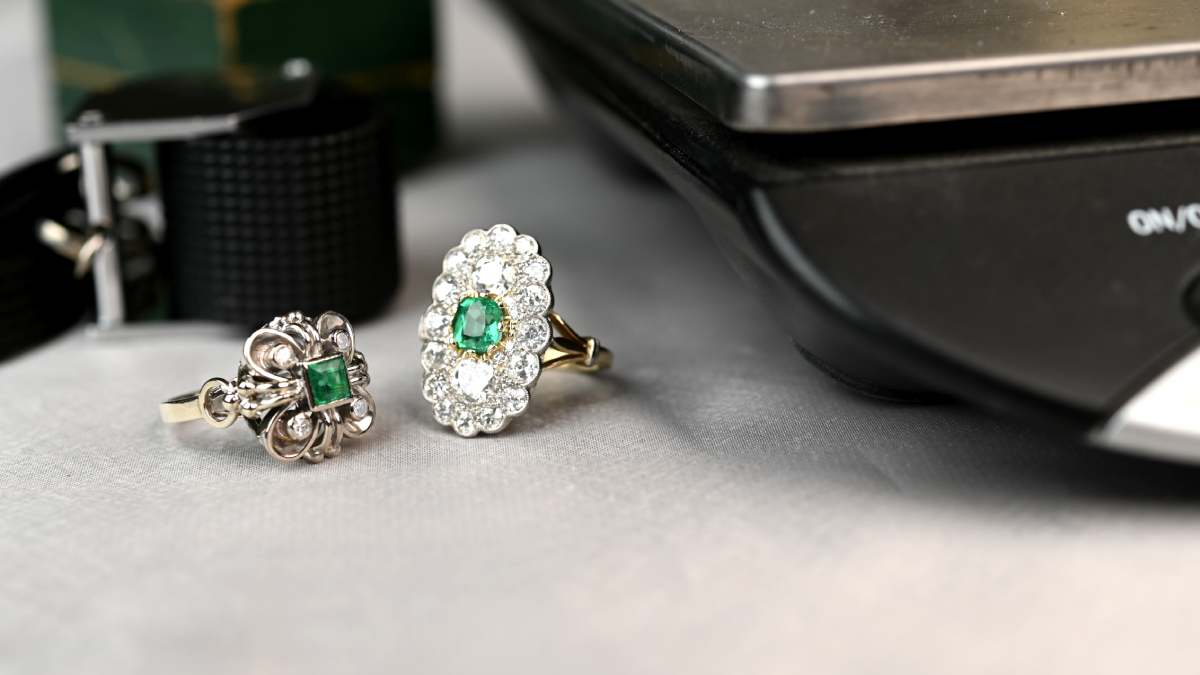
When evaluating a Zambian emerald in person, focus on how the stone performs in real lighting, not just how it looks under showcase lamps. A fine emerald should maintain strong, lively color without turning overly dark or murky when moved between daylight and indoor light. Examine it methodically, assessing color, transparency, cut, structure, and treatment before making any serious decision.
- View in natural daylight and indoor lighting
- Confirm tone is medium to medium-dark, not blackish
- Check for windowing in the center. Windowing occurs when an emerald is cut too shallow, allowing light to pass straight through the center.
- Rotate to spot extinction or dead areas
- Assess transparency, not just saturation
- Inspect inclusions and surface fractures with 10x magnification
- Verify lab report and treatment disclosure
7. Shop With a Trusted Jeweler
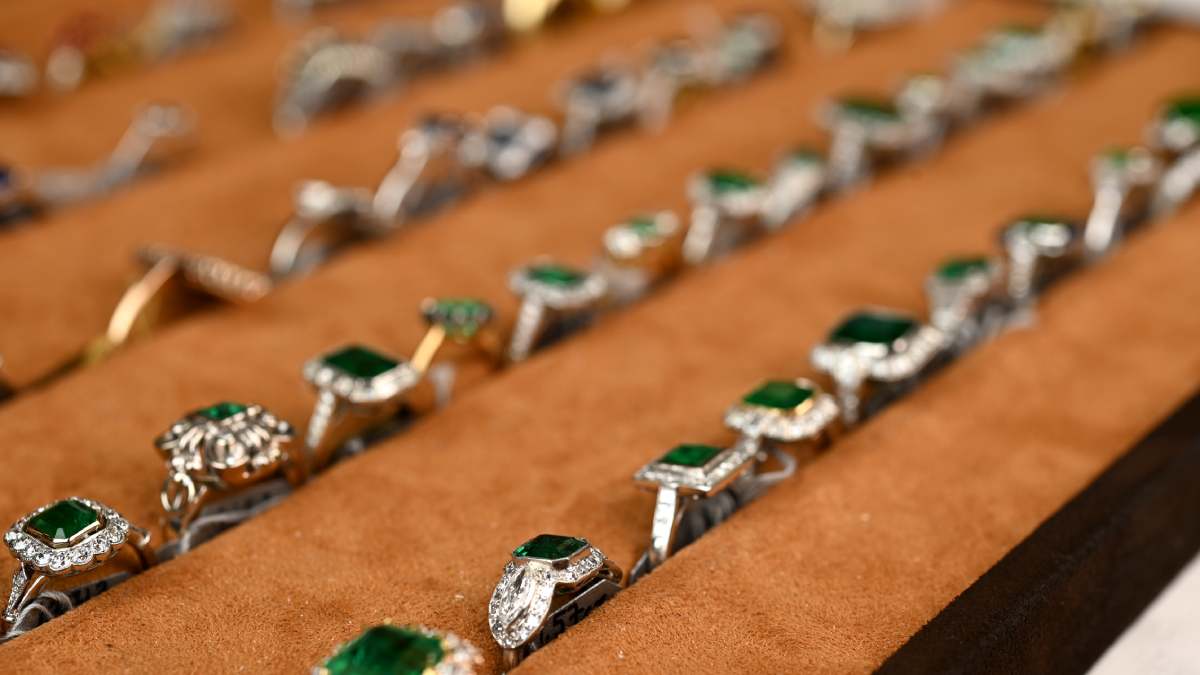
Buying a Zambian emerald from a trustworthy and knowledgeable vendor is absolutely essential, especially given the nuances of color, clarity, and treatment that can dramatically affect both beauty and value. A reputable seller will provide full transparency about the gem’s origin, treatments, and certification, and will help guide you through the process without pressure or misleading claims.
Additionally, they should be willing to answer detailed questions, show high-resolution images or videos, and offer reputable lab reports. Because emeralds don’t follow a strict universal grading system, the vendor’s expertise and honesty become even more critical.
Choosing the right dealer ensures that you’re not only getting a genuine and fairly priced emerald, but also making a confident, educated investment.

Shopping for jewelry can get overwhelming, and buying a Zambian emerald is no easier. The best thing you can do is consult with an emerald expert.
If you have any comments or questions, please contact us. We will respond within one business hour.
