


Abstract
Chronic invasive fungal lung infections are an emerging global respiratory challenge, often hidden behind the masks of post-tubercular disease, chronic obstructive pulmonary disorders, and uncontrolled diabetes. The persistent invasion of fungi such as Aspergillus, Candida, and Histoplasmosis, Mucor species leads to progressive fibrosis, cavitation, hemoptysis, and respiratory failure. As per Ayurveda perspective, these infections mirror the progressive vitiation of Kapha and Vata within the Prāṇavaha Srotas, leading to obstruction, tissue depletion, and impaired respiratory defense. In this write up we will talk about Histoplasmosis, a systemic fungal infection and see what Ayurveda has to serve for this. Let’s start!
Introduction
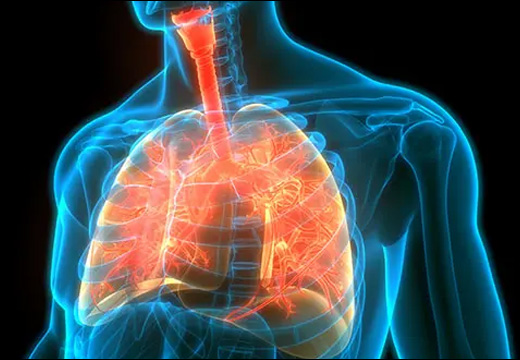
Histoplasmosis is a systemic fungal infection caused by Histoplasma capsulatum, a dimorphic fungus that thrives in soil contaminated with bird and bat droppings. People acquire the infection by inhaling airborne microconidia, which primarily affect the lungs as the initial site of disease. In healthy individuals, the immune system often controls the infection, resulting in mild or asymptomatic illness. However, infants, the elderly, and immunocompromised patients frequently develop severe pulmonary or disseminated disease. Because its symptoms closely resemble tuberculosis, pneumonia, and malignancy, clinicians often face diagnostic delays. With rising global immunosuppression, histoplasmosis now emerges as a growing public health concern.
Causes
Histoplasmosis occurs when a person inhales spores (microconidia) of the fungus Histoplasma capsulatum from the environment. This fungus grows naturally in soil enriched with bird or bat droppings. Disturbing such contaminated soil releases fungal spores into the air, which then enter the lungs through breathing.
Common Exposure-Related Causes Include
- Cleaning bird roosts, chicken coops, or bat-infested caves
- Construction, excavation, or demolition work
- Farming and gardening in contaminated soil
- Exploring caves (cave disease)
- Living in or visiting endemic regions
Symptoms
Here are the symptoms of histoplasmosis, clearly categorized by disease form for better clinical understanding:
1. Acute Pulmonary Histoplasmosis (Most Common Form)
Mild to moderate symptoms appear 1–3 weeks after exposure and often resemble flu or pneumonia. Many healthy individuals remain asymptomatic or recover without treatment. The symptoms include are as follows:-
- Fever and chills
- Dry or productive cough
- Chest pain
- Fatigue and weakness
- Shortness of breath
- Headache
- Muscle and joint pain
2. Chronic Pulmonary Histoplasmosis
This type is seen mainly in people with pre-existing lung disease (COPD, TB).
- Persistent cough
- Weight loss
- Night sweats
- Hemoptysis (blood in sputum)
- Progressive breathlessness
- Chest tightness
3. Disseminated Histoplasmosis (Severe Form)
This type of Form Occurs in immunocompromised patients and is life-threatening.
- Prolonged fever
- Severe fatigue
- Enlarged liver and spleen
- Lymph node swelling
- Skin and oral ulcers
- Anemia and bleeding tendency
- Confusion or neurological symptoms
Diagnosis
- Chest X-ray: Shows nodules, patchy infiltrates, or cavitary lesions
- HRCT Chest: Reveals fibrotic changes, calcified granulomas, Lymphadenopathy and cavities.
- Histoplasma Antigen Detection (Urine/Serum): Rapid and highly sensitive, especially in disseminated disease.
- PCR-based Molecular Tests: Provide rapid and specific detection.
Modern Treatment
The treatment of histoplasmosis depends on the severity of infection and the patient’s immune status. Mild acute pulmonary cases often resolve on their own with supportive care such as rest and hydration. Moderate to severe pulmonary disease is treated with oral antifungal therapy, while severe cases may require initial intravenous antifungal treatment followed by oral therapy.
Ayurvedic Overview
In Ayurveda, histoplasmosis can be classified as an Agantuka Vyadhi, a disease caused by external agents or environmental factors rather than internal dosha imbalance. Inhalation of fungal spores resembles the entry of “dust, toxins, or microbial impurities” (Dhūli, Viṣha) into the respiratory channels (Praṇavaha Srotas), leading to obstruction and inflammation. This exogenous invasion triggers Kapha aggravation, causing congestion, cough, chest heaviness, and mucus accumulation, while chronic progression may involve Pitta and Rakta, resulting in systemic weakness, fever, and tissue degeneration.
Panchkarma (Detoxification) Procedures Such As
- Vamana (Therapeutic Emesis): This helps eliminate excess Kapha from the respiratory channels, reduces mucus congestion, and clears airway obstruction.
- Virechana (Purgation): Removes Pitta and Rakta toxins from systemic circulation, controlling fever and inflammation in chronic stages.
- Nasya (Nasal Administration of Herbal Oils): Administering medicated oils like Anu Taila or Shadbindu Taila helps clear nasal passages, sinuses, and upper respiratory channels.
Classical Herbal and Herbomineral Formulations
- Sitopladi churna
- Shwaskuthar Ras
- Haridra khand
- Khadiradi vati
- Lavanagadi vati
- Rasnasaptak kwath
- Kasturi bhairav ras
- Kanakasav
- Mayurpiccha Bhasma
- Shwaskas Chintamani Ras
- Lakshmi vilas ras (Nardiye)
- Kas Kuthar ras
Herbal Remedies for Histoplasmosis by Planet Ayurveda
Planet Ayurveda is a globally trusted Ayurvedic wellness company committed to promoting holistic health through authentic, natural remedies. It offers a wide range of herbal capsules, powders, oils, and herbo-mineral formulations, all prepared using pure herbs sourced from certified farms. Each product is authentically prepared following classical Ayurvedic texts, ensuring potency, purity, and safety without synthetic chemicals, additives, or preservatives. Planet Ayurveda holds multiple international certifications, including GMP, ISO, and organic standards, reflecting its commitment to quality. For histoplasmosis they have multiple products out of them, we are going to discuss the specific ones.
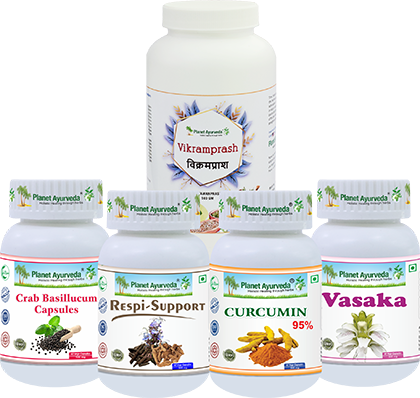
- Respi Support Capsules
- Curcumin 95% Capsules
- Crab Basillicum Capsules
- Cap Vasaka
- Vikramprash
Herbal Remedies For Histoplasmosis
Product Description
1. Respi Support Capsules
Respi support capsules are prepared using standardised extract of Pippali (Piper longum), Chironji (Buchanania latifolia), Karchoor (Curcuma zedoaria), Bharangi (Clerodendrum serratum) and various other herbs. These herbs help in reducing bronchial inflammation, fungal-induced airway irritation, excessive mucus secretion, and oxidative stress seen in histoplasmosis. The formulation supports alveolar macrophage function and Th1-mediated immune response, which are crucial for controlling intracellular fungal pathogens thus assists in managing histoplasmosis.
Dosage – 2 capsules twice daily with plain water after meals.
2. Curcumin 95% Capsules
Curcumin 95% capsules are prepared using standardised extract of Haridra (Curcuma longa). Curcumin, the active polyphenol of Curcuma longa, exhibits potent antifungal, anti-inflammatory, and immunomodulatory properties and helps in reducing symptoms of histoplasmosis. Haridra is Kaphahara, Pittashāmaka and Raktashodhaka (Blood puririfer) making it ideal for Prāṇavaha Srotas Duṣṭi (Channel carrying vital force), Āma (Endotoxins), and inflammatory lung disorders. It supports Rasa–Rakta purification, immunity (Ojas), and lung tissue healing, making it an excellent adjuvant in histoplasmosis management.
Dosage – 2 capsules twice daily with plain water after meals.
3. Crab Basillicum Capsules
Crab basilicum capsules are prepared using standardised extract of Ocimum basilicum (Krishna tulsi). This formulation inhibits fungal growth, reduces oxidative stress in alveolar tissues, modulates macrophage and Th1 immune responses and decreases airway inflammation therefore supporting lung recovery in histoplasmosis. Also this formulation is Kapha–Pitta pacifying and strengthening respiratory channels and enhancing natural immunity (Ojas).
Dosage – 2 capsules twice daily with plain water after meals.
4. Capsule Vasaka
These capsules are prepared using standardised extract of Vasaka (Adhatoda vasica). This formulation is rich in quinazoline alkaloids (vasicine, vasicinone),which exhibit potent bronchodilatory, mucolytic, and anti-inflammatory effects and helps to modulate airway smooth muscle tone, enhance ciliary clearance, reduce pro-inflammatory cytokines (IL-6, TNF-α), and support alveolar macrophage function, improving pulmonary defense against fungal pathogens like Histoplasma capsulatum.
Dosage – 2 Capsules twice daily with plain water after meals.
5. Vikramprash
Vikramprash is a jam preparation of Planet Ayurveda prepared using herbs such as Dashmoola (Root of 10 herbs), Amla (Emblica officinalis), Draksha (Vitis vinifera), Manjishtha (Rubia cordifolia) and many other herbs. Vikramprash is a Rasayana (Rejuvenative), Prāṇavāhahara (Vital fore carrying channels), and Medhya (Nervine tonic) formulation, balancing KaphaVata in the lungs, nourishing Ojas, and enhancing Agni (fire) and Dhatu (tissue) strength. It promotes respiratory resilience, overall immunity, and tissue rejuvenation, making it a complementary therapy for histoplasmosis and chronic lung health.
Dosage – 1 tsp twice daily with lukewarm water.
To buy these Products, please visit store.planetayurveda.com
Conclusion
Histoplasmosis is a serious fungal infection primarily affecting the lungs and, in severe cases, other organs. Early detection through careful evaluation and modern diagnostic tools is vital for effective management. Alongside conventional antifungal therapy, Ayurvedic principles—such as cleansing of the respiratory channels (Shodhana), use of Kapha-Pitta balancing herbs, and Rasayana therapies can strengthen immunity, support lung function, and promote overall vitality. A holistic approach that combines timely medical intervention with Ayurvedic care not only alleviates symptoms but also restores balance in the body, enhancing resilience and long-term respiratory and systemic health.
