Brassy hair is practically a rite of passage in the coloring world. I learned that the hard way in my early twenties after a “DIY blonde moment” that left me looking less sun-kissed and more traffic-cone adjacent. If you’ve ever looked in the mirror after coloring your hair and wondered why it suddenly looks yellow, orange, or just… off, you’re definitely not alone.
The good news is that this is exactly where hair toner comes in. Toner is the quiet hero of the hair color world. It’s what turns freshly bleached hair into that creamy blonde you see on Pinterest boards, and it’s the secret weapon stylists use to cancel out those stubborn warm tones.
So if you’ve been Googling things like how to tone brassy hair, how to fix orange hair, or how to remove yellow tones from blonde hair, you’re in the right place.
Let’s walk through exactly what toner does, why hair turns brassy in the first place, and how you can fix it without panic-booking a salon appointment.
Hair Toner Guide: How to Fix Brassy, Yellow, and Orange Hair
What Is Hair Toner?
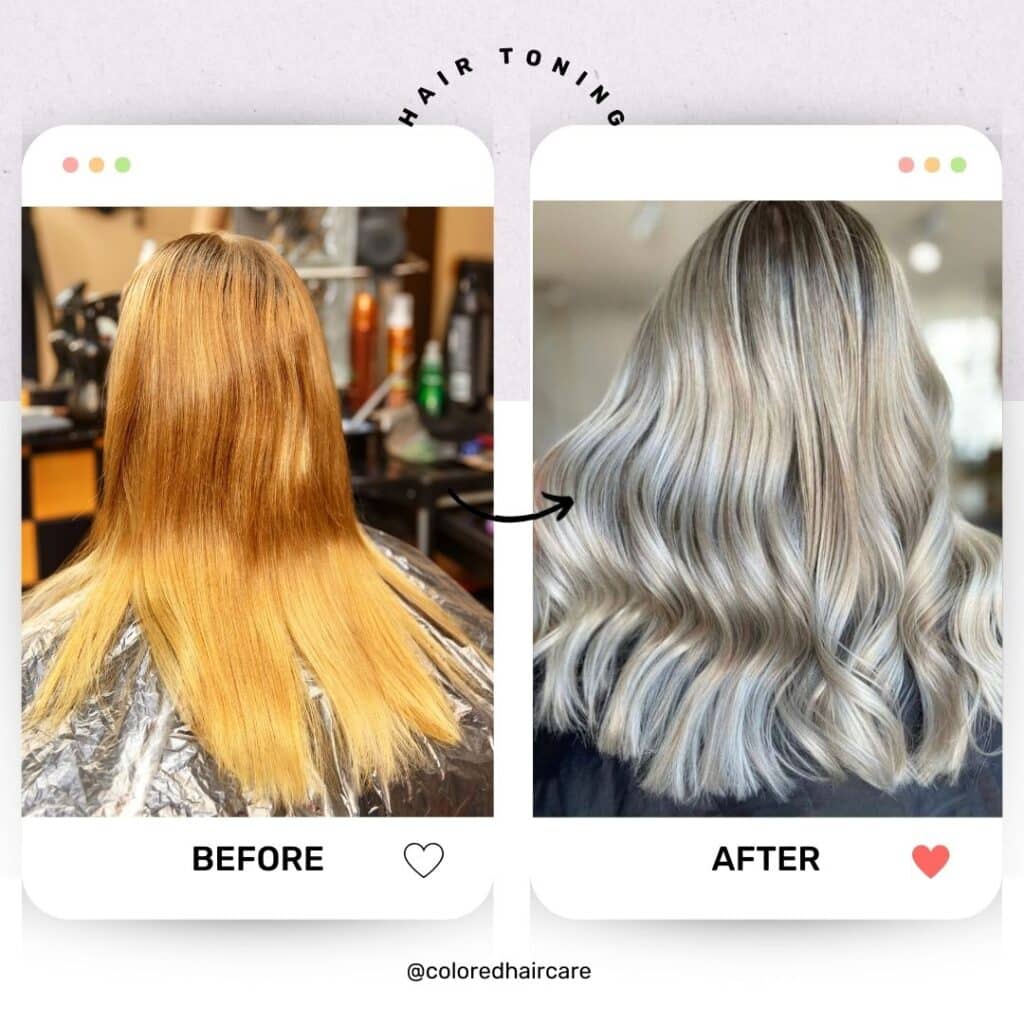
Think of hair toner as the finishing step of hair color. It doesn’t dramatically change your hair color the way dye does. Instead, toner adjusts the tone of your hair so the color looks balanced, polished, and natural.
When hair is lightened, warm pigments are exposed. Toner works by neutralizing those unwanted tones so your hair color lands exactly where you want it.
Celebrity colorist Tracey Cunningham explains it beautifully:
“Toners are used to refine hair color after lightening. They neutralize unwanted warmth and help achieve the final shade you’re aiming for.”
In other words, toner is the difference between blonde that looks expensive and blonde that looks… accidental.
How Toner Neutralizes Color
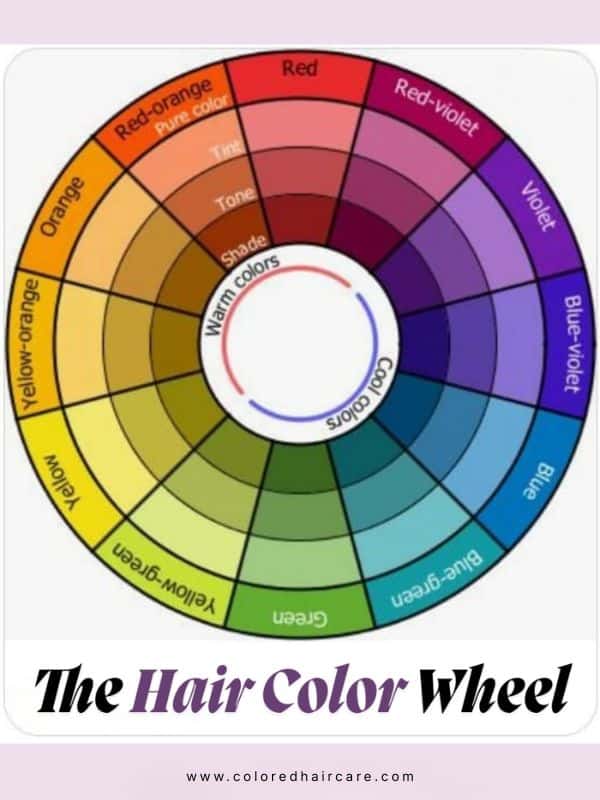
Hair toners rely on the color wheel, the same principle artists use when mixing paint.
Opposite colors cancel each other out.
For example:
| Unwanted Tone | Neutralizing Color |
|---|---|
| Yellow | Purple |
| Orange | Blue |
| Red | Green |
So if your blonde hair looks yellow, a purple toner neutralizes it. If your hair pulls orange, you’ll need a blue toner.
Simple. Slightly magical.
Toner vs Hair Dye
This is one of the most common points of confusion.
Hair dye changes your hair color completely by depositing pigment deeply into the hair shaft.
Hair toner refines the tone of already-colored hair.
Think of dye as painting a wall. Toner is adjusting the lighting so the color looks perfect.
Toner vs Gloss
Hair gloss and toner are cousins in the hair world.
Gloss treatments:
- add shine
- slightly adjust tone
- fade faster
Toners:
- neutralize strong unwanted tones
- create cooler or warmer finishes
- last longer
Celebrity stylist Rita Hazan often recommends gloss treatments for subtle refreshes but explains that toners are better when real color correction is needed.
Toner vs Color-Depositing Shampoo
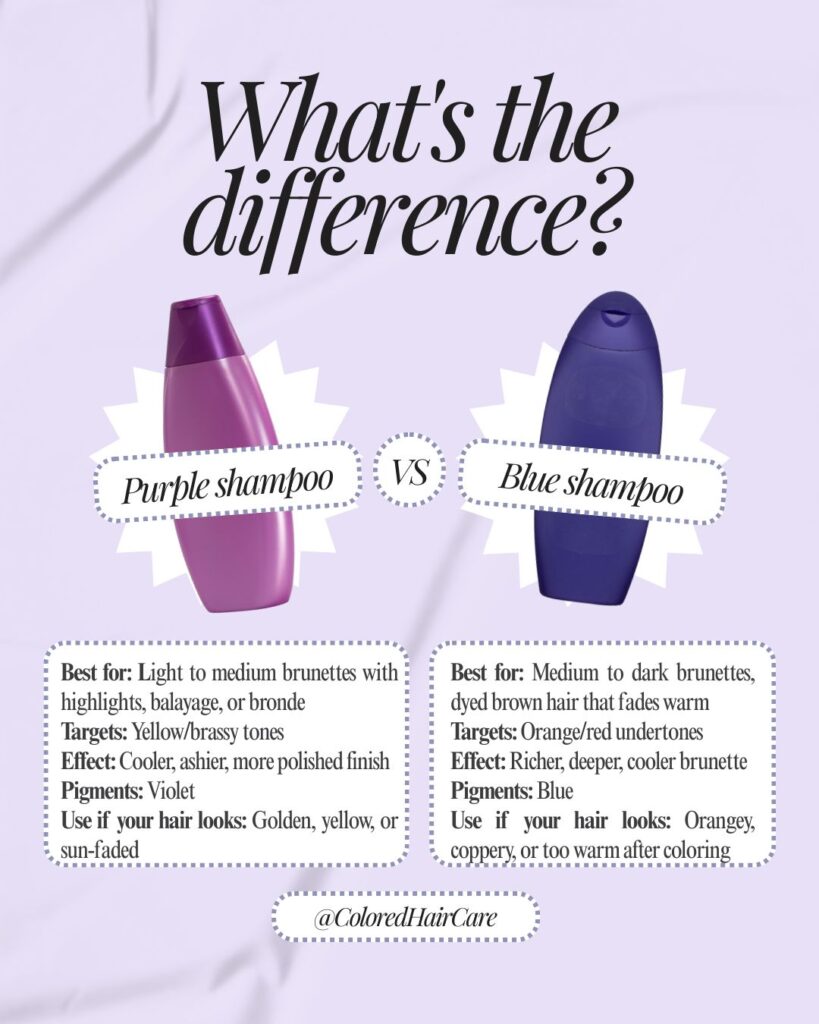
Purple and blue shampoos are maintenance products.
They deposit a small amount of pigment during washing, helping maintain toned hair between salon visits.
Toner, on the other hand, is a stronger corrective treatment that resets the color when brassiness shows up.
Why Hair Turns Brassy After Coloring
If you’ve ever colored your hair and wondered why it turns warm a few weeks later, the answer is actually hidden inside your hair structure.
Every strand of hair contains underlying pigments. When hair is lightened, those pigments become visible.
Hair colorist Guy Tang explains:
“When we lighten hair, we’re exposing underlying warmth that naturally exists in the hair. Toner helps control that warmth.”
That warmth shows up as yellow, orange, or red depending on how dark your hair started.
Let’s break it down.
Why Blonde Hair Turns Yellow
Very light blonde hair usually contains pale yellow undertones.
Over time, a few things make those tones more noticeable:
- washing frequently
- heat styling
- sun exposure
- hard water minerals
The toner slowly fades, revealing those yellow pigments again.
That’s why blondes often rely on purple toner or purple shampoo to remove yellow tones.
Why Bleached Hair Turns Orange
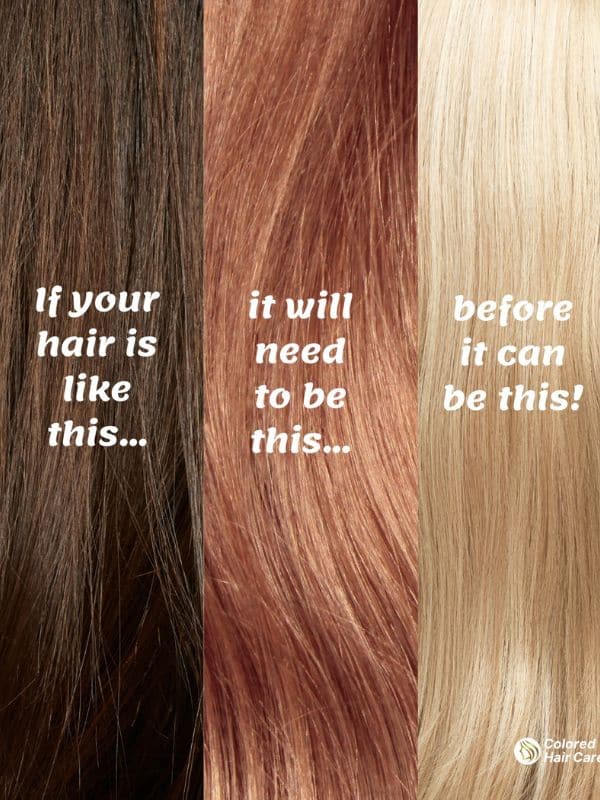
When darker hair is bleached, the color lifts in stages.
Dark brown → red → orange → yellow → pale blonde.
If the hair isn’t lightened far enough, orange pigment remains.
This is why many DIY bleach attempts result in orange hair.
A blue toner neutralizes those orange tones and brings the color back toward a cooler shade.
Why Brown Hair Turns Brassy
Brassy brown hair often shows up as reddish or copper tones.
This usually happens because:
- dye fades unevenly
- sun exposure lifts color slightly
- hard water minerals affect pigment
A green-based toner or cool brown gloss can help restore balance.
Purple vs Blue Toner
This is one of the most searched questions online, and honestly, it’s where a lot of people go wrong.
Using the wrong toner color simply won’t fix the problem.
Here’s the quick rule:
| Problem | Toner Color |
|---|---|
| Yellow tones | Purple toner |
| Orange tones | Blue toner |
| Red tones | Green toner |
Purple toner is the most common because yellow tones show up frequently in blonde hair.
Blue toner becomes essential when bleached brunettes go orange.
Colorist Matt Rez says:
“Understanding the color wheel is the key to toning hair correctly. The right toner cancels out the unwanted pigment rather than covering it.”
How to Tone Hair at Home
Toning your hair at home is absolutely doable. The key is choosing the correct toner and applying it carefully.
Let’s walk through the process.
1. Choose the Right Toner
First identify the problem tone.
Ask yourself:
- Is my hair yellow?
- Is it orange?
- Is it reddish?
Then choose the corresponding toner color.
Purple = yellow correction
Blue = orange correction
2. Mix Toner Correctly
Most toners must be mixed with a developer, usually 10 or 20 volume.
Always follow the instructions on the product.
Too much developer can weaken the toner. Too little can make it ineffective.
3. Apply to Damp Hair
Hair should be towel-dried but still slightly damp.
This allows the toner to spread evenly through the hair.
Section your hair carefully and apply from root to tip.
4. Watch the Processing Time
Most toners process for 5–20 minutes.
Never walk away and forget about it.
Check your hair every few minutes to see how the tone is changing.
5. Rinse and Condition
Once the desired tone is reached:
- rinse thoroughly
- apply a moisturizing conditioner
- avoid shampooing immediately
Toning can slightly dry the hair, so hydration helps restore softness.
How to Fix Different Brassiness Problems
Brassy hair doesn’t always look the same. Different tones require slightly different fixes.
How to Fix Yellow Hair
Yellow blonde hair usually needs purple toner or purple shampoo.
Purple pigments cancel out yellow and bring the blonde back to a cooler tone.
(Insert internal link to your How to Fix Yellow Hair guide.)
How to Fix Orange Hair
Orange hair requires blue toner or blue shampoo.
This is especially common when dark hair has been bleached but not lifted enough.
(Insert internal link to your How to Fix Orange Hair guide.)
How to Fix Brassy Blonde Hair
Sometimes blonde hair isn’t yellow or orange. It just looks dull or warm.
In this case, a cool blonde toner can restore that icy or beige finish.
How to Tone Highlights
Highlights often turn brassy faster than full color.
That’s because lightened pieces are more porous.
Toners or gloss treatments can quickly refresh highlights without recoloring the entire head.
Toner vs Purple Shampoo
Many people wonder if purple shampoo can replace toner.
The short answer is no.
Here’s the difference:
| Toner | Purple Shampoo |
|---|---|
| Corrects strong brassiness | Maintains tone |
| Professional or mixed treatment | Regular shampoo |
| Stronger pigment | Mild pigment |
| Lasts several weeks | Works gradually |
Celebrity stylist Jen Atkin puts it simply:
“Purple shampoo is maintenance. Toner is correction.”
If your hair already looks orange or yellow, toner is the faster fix.
Purple shampoo helps prevent the brassiness from returning.
Best Toners for Different Hair Colors
Different hair colors need different toners.
Best Toner for Blonde Hair
Blonde toners typically use violet pigments to neutralize yellow tones.
Best Toner for Orange Hair
Blue toners are best for correcting orange tones in bleached brunettes.
Best Toner for Highlights
Gloss toners or demi-permanent toners work well for highlighted hair.
They refresh color without over-processing the hair.
How Long Toner Lasts
Toner usually lasts 3 to 6 weeks.
However, several factors affect how long the tone stays fresh.
These include:
- how often you wash your hair
- the shampoo you use
- sun exposure
- heat styling
Hair expert Kristin Ess explains:
“Toner fades gradually as hair is washed. Using color-safe shampoo and minimizing heat can help extend the tone.”
How to Make Toner Last Longer
A few simple habits can make a big difference.
Use sulfate-free shampoo
Wash hair less frequently
Use purple shampoo once weekly
Avoid excessive heat styling
These small tweaks help keep toned hair looking fresh much longer.
Common Toner Mistakes
Even experienced DIY colorists sometimes make these mistakes.
Leaving Toner On Too Long
Toner works quickly.
Leaving toner on too long can cause hair to look purple, gray, or overly ashy.
Choosing the Wrong Toner Color
Purple won’t fix orange hair.
Blue won’t fix yellow hair.
Always identify the underlying tone first.
Applying Toner to Uneven Hair
If the hair is patchy or unevenly lightened, toner can make the unevenness more noticeable.
In that case, additional lightening may be required.
Skipping Developer
Many toners require developer to activate the color.
Without it, the toner simply won’t work properly.
FAQ
Can toner fix orange hair?
Yes. A blue toner neutralizes orange tones and helps restore a cooler shade.
Does toner damage hair?
Most toners are demi-permanent, meaning they are relatively gentle compared to permanent hair dye.
Can I tone hair without bleach?
Yes. Toner can adjust the tone of colored or highlighted hair even if it hasn’t been freshly bleached.
How often can you tone hair?
Most stylists recommend toning every 4–6 weeks.
What happens if toner is left too long?
Hair may appear overly cool, gray, or slightly purple. Fortunately, this usually fades after a few washes.
If there’s one takeaway from this whole guide, it’s this: brassy hair is normal.
Even the most expensive salon blondes deal with yellow or orange tones eventually. The real secret is simply knowing how to tone brassy hair correctly.
Once you understand the color wheel and choose the right toner, fixing brassiness becomes surprisingly easy.
And honestly? There’s something deeply satisfying about watching orange hair slowly transform into the cool blonde you actually wanted in the first place.
Found your perfect shade? We’d love to see it! Tag us on Instagram @coloredhaircare or Facebook and share your hair color stories. Looking for more hair care tips? Check out How to Look After Colored Hair: 11 Expert Secrets For Long-Lasting Color.

Our Research & Review Process
To ensure our recommendations are as comprehensive and reliable as possible, we’ve undertaken an extensive research effort.
We cite scientific evidence and journals, collect real user reviews and gather impartial perspectives from hair stylists, users, and experts in the field.
Additionally, we conduct hands-on testing by using products and applying hair dyes not only on our own locks but also on real human hair extensions and hair pieces of different hair type, textures and lengths.
This rigorous approach allows us to provide you with insights into which products genuinely live up to their promises.
As always – please consult with a professional hair colorist or stylist for advice on how to color your own hair at home. It’s different for everyone!