Weekend Reading on Women’s Representation is a compilation of stories about women’s representation in politics, on boards, in sports and entertainment, in judicial offices and in the private sector in the U.S. and around the world—with a little gardening and goodwill mixed in for refreshment!
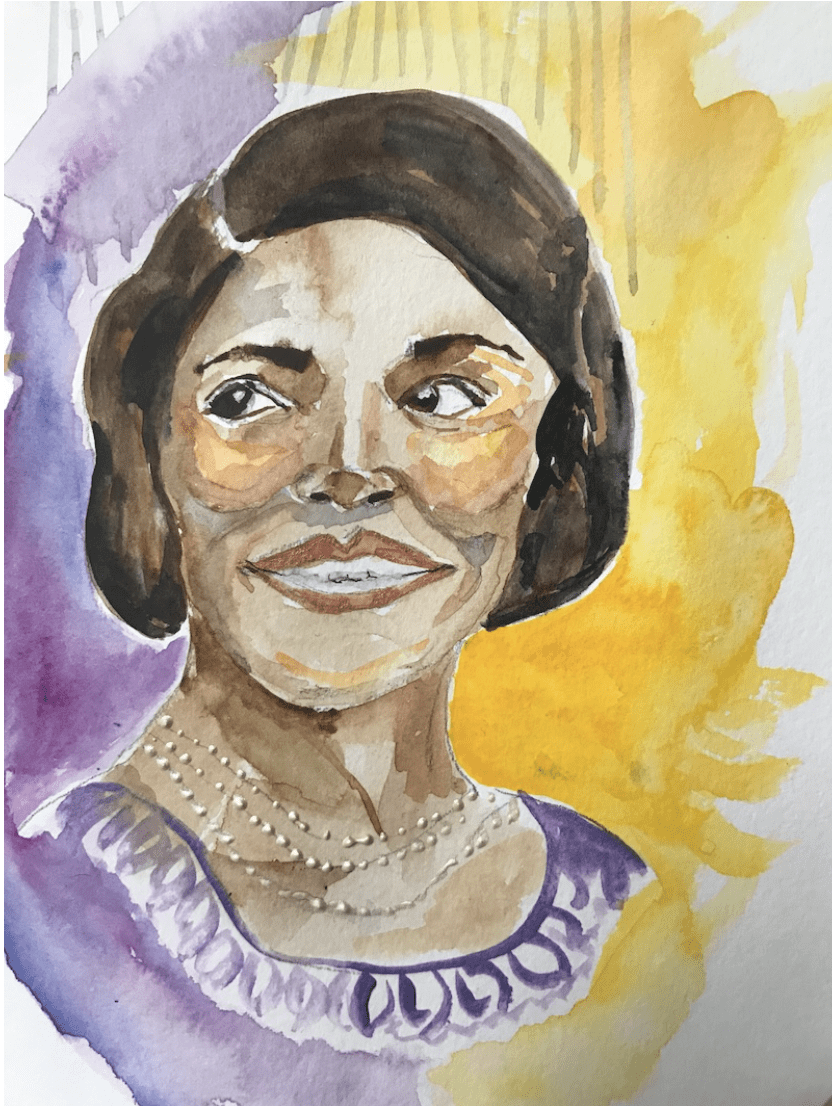
Milestones: Gina Raimondo became the first woman governor of Rhode Island (2015); Marian Anderson is the first African American woman to sing at the Metropolitan Opera; Ella Grasso became the first woman governor of Connecticut (1975); Anna Pauline “Pauli” Murray is the first African American woman ordained to the Episcopal priesthood (1977); Kay A. Orr, became the first woman governor of Nebraska (1987); Sen. Aaron Sargent introduced a resolution, written by Susan B. Anthony, to Congress for Women’s Suffrage Amendment (1878); Madeleine M. Kunin, first Jewish woman governor and first woman to serve three terms as governor in Vermont; Victoria Woodhull, first woman to address a House Committee, argues for women’s suffrage (1871); and Amelia Earhart makes the first solo flight from Hawaii to North America.
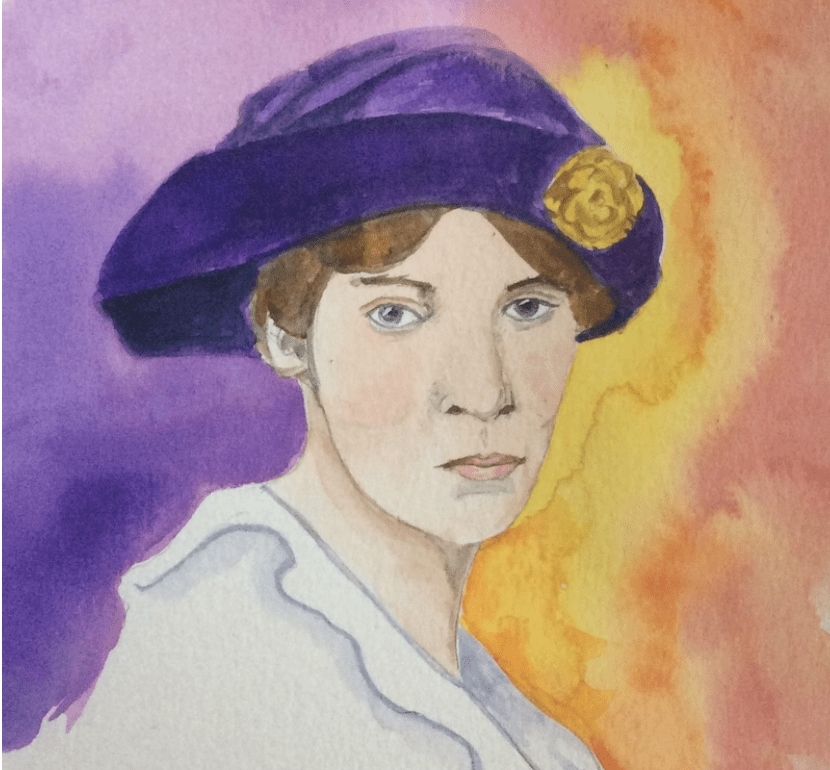
Birthdays for notable women: Kate McKinnon, actor and LGBTQ activist; Katie Couric, journalist; Zora Neale Hurston, author (1891); Kaia Los Huertos; Kate Stewart, Montgomery County Council; Carrie Chapman Catt, suffragist and peace activist (1859); Sian Leah Beilock, former president of Barnard College and current president of Dartmouth; Sarah Jane Higginbotham, co-founder of Harrison Clark LLC and the National Women’s Defense League; Anna Kellar, national organizing director at Rank the Vote; Alice Paul, Quaker, suffragist, author of the Equal Rights Amendment (1885).
How to Build Permanent Political Power Structures for Women
As we begin a new year, I’ve been thinking a lot about what it takes to build lasting political power, not just moments of progress, but structures that endure.
After decades working at the intersection of gender, democracy and political reform, one thing has been unmistakably clear to me: Representation doesn’t happen by accident. It is deliberately shaped by the rules we set, the systems we tolerate and the barriers we choose to confront or ignore.
That reality has been especially present for me over the past few months. As our team wrapped up a year of research, conversations and convenings, I found myself both feeling deeply proud and profoundly aware of how much work remains. I enter this year with an optimistic outlook, because our evidence continues to affirm what feminists have long argued: when systems are designed to include women, women lead and communities benefit. And urgency, because those same systems are failing far too many women, especially women of color.
In our international research, we continue to see a consistent pattern. Countries that use proportional representation—particularly when paired with gender quotas—come closest to achieving gender-balanced governance. These systems don’t guarantee equality, but they create conditions where women’s leadership is no longer treated as exceptional.
That insight is reinforced in our newest Country Brief, focused on the Caribbean and Central America, the seventh in an ongoing series we’ve been building since 2021. Across regions as diverse as Latin America, the Arab States, Oceania, the European Union, the Post-Soviet States and North America, these briefs have helped us understand how electoral rules shape women’s opportunities for leadership and why some systems consistently deliver better outcomes than others.
).png)
At the same time, this latest report also underscores that numbers alone are not the finish line. In some contexts, women’s representation is celebrated without corresponding shifts in power, accountability or policy. Representation is essential, but it cannot be the end of the story. Its promise is only fulfilled when it’s paired with real authority and the ability to deliver lasting change.
That tension between progress and precarity is also playing out in new and troubling ways. One of the most urgent threats to women’s political power today is no longer confined to the ballot box or campaign trail. It lives online.
Digital and technology-facilitated violence has become a structural barrier that shapes who feels safe enough to lead, whose credibility is undermined, and who ultimately decides the cost of public service is too high. This violence is not incidental, but rather systemic. And its impact on Black women leaders, in particular, should concern anyone who cares about the future of democracy.
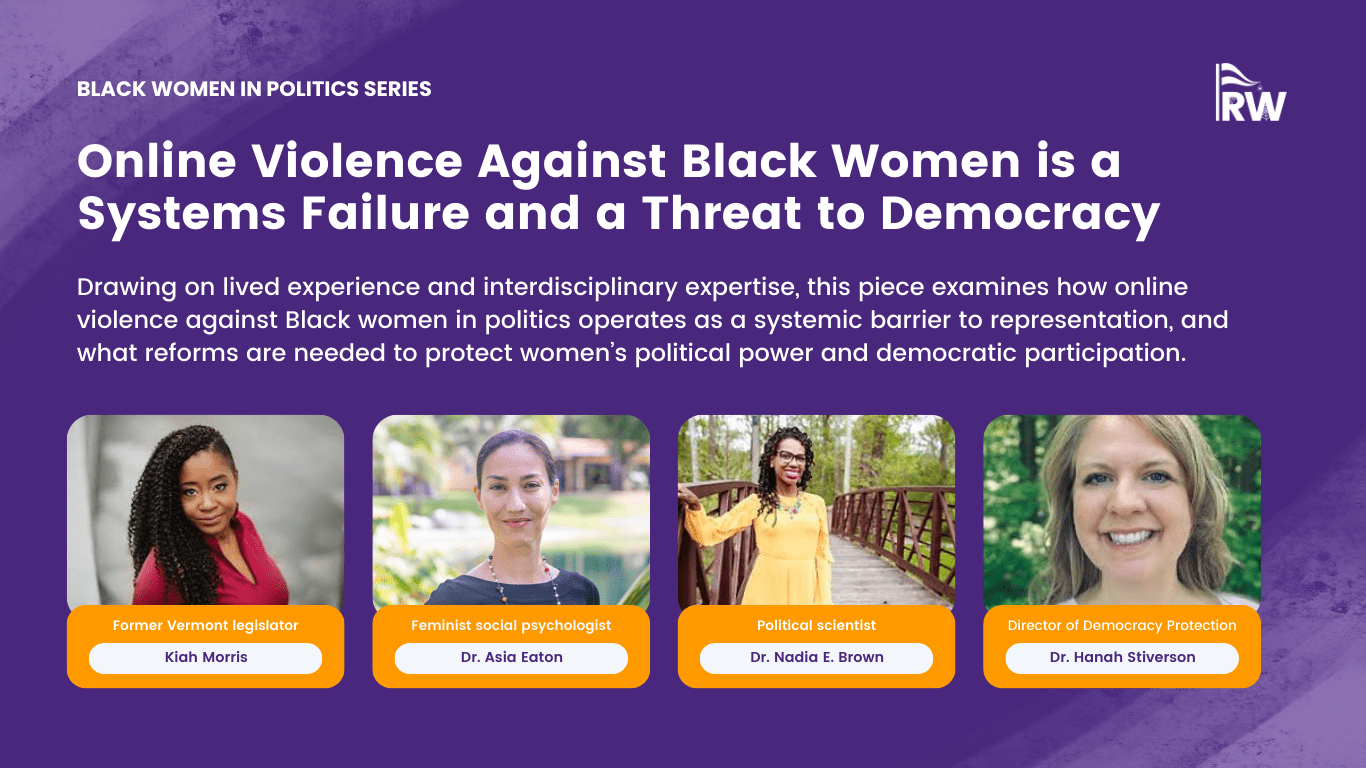
That reality is at the center of our latest installment of the Black Women in Politics series, released at the end of last month. Through in-depth conversations with former Vermont State Representative Kiah Morris, Dr. Nadia E. Brown, Dr. Asia Eaton and Dr. Hanah Stiverson, we set out to understand how digital abuse, institutional inaction, and outdated legal frameworks converge to push women, especially Black women, out of political life. These conversations were honest, difficult and deeply illuminating. Together, they make clear that online violence is not an individual problem to be endured, but a system failure that depletes our leadership pipeline and weakens democracy itself.
Holding space for these truths isn’t easy, but it’s essential if we want to build systems that truly protect, support and sustain women’s leadership.
That commitment to intentional design is guiding our work as we move deeper into 2016. This March, our Democracy Solutions Summit will focus on Women’s Power by Design—tracing where women’s political power has come from, where it stands today, and what it will take to build systems that sustain it into the future. We invite you to join us for this informative event, which will take place virtually from March 10-12, from 3-5 p.m. EST.
.png)
We’re also beginning the year by celebrating Ranked Choice Voting Day, which takes place annually on January 23rd. To mark the occasion, RepresentWomen is hosting a virtual RCV Day webinar on Thursday, Jan. 22, from 1-2 p.m. EST, bringing together women leaders on the front lines of the ranked choice voting movement and spotlighting how this reform is taking root in communities across the country. You can register for this upcoming event here!
What gives me hope as we start 2026 is not any single reform or report, but the growing recognition that democracy itself must be intentionally strengthened and upheld. This year, we resolve to keep pushing for the structural changes that make women’s representation real, powerful and lasting—and we invite others to imagine and build that future with us.
New York City’s “Historic Firsts” Show What Representative Power Makes Possible
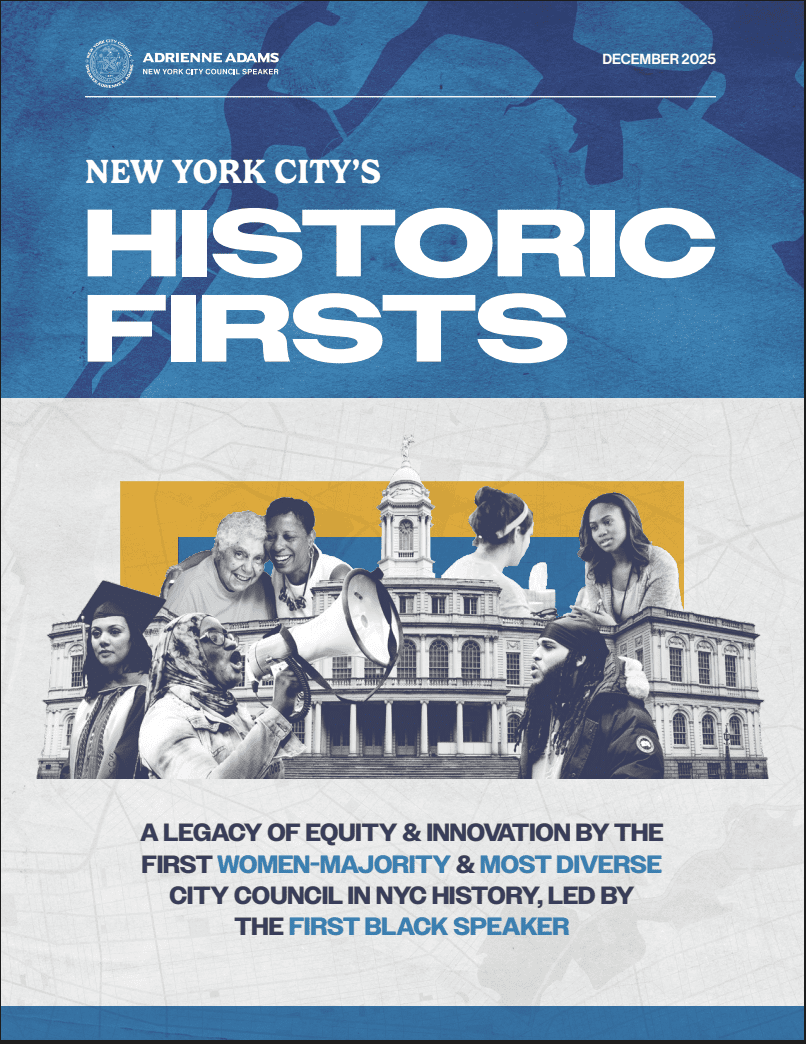
Last month, the New York City Council released Historic Firsts, a reflection on the legislative and governance achievements of the city’s first-ever women-majority council. Framed in the words of outgoing Speaker Adrienne Adams—the first Black Council Speaker in New York City’s history—the report offers a rare and candid account of what changes when representation reaches governing power, not just symbolic presence.
The statement below captures the throughline throughout the council’s experience: that representation is not an abstract value but a governing tool that reshapes priorities and investment decisions, and whose needs are treated as urgent.
“In 2021, New Yorkers elected the most diverse and first women-majority City Council in our city’s history, and with it, I became our city’s first Black Council Speaker.
Our historic representation fully reflected the breadth of New Yorkers’ experiences, enabling us to lead differently than our predecessors. We have led city government to invest in our diverse communities, bringing attention and delivering solutions to issues that have long impacted people across our city who were historically overlooked.
When people who have experienced housing insecurity, poverty, the impacts of gender and racial disparities, and broader working-class struggles represent New Yorkers in government, the perspectives and priorities of all New Yorkers are better addressed.
New York City’s first women-majority lawmaking body resulted in overdue attention towards tackling persistent inequities and injustices in health, opportunity, and safety. We uplifted women, who are the backbones of our families and communities, and women of color who sit at the intersection of our most pressing challenges.
The severe racial disparities in maternal health, which result in Black New Yorkers being six times more likely than white New Yorkers to die of pregnancy-related causes, were finally made a top priority. Marginalized communities, especially Black and Latino communities, that are disproportionately affected by violence finally received investments in crime victim services and safety solutions that reach them.
It’s no surprise that a truly representative majority stepped up to become the most pro-housing City Council in generations. We not only approved city-initiated housing land use proposals to unlock the creation of more new homes in four years than occurred in the previous 20 years combined, but also secured over $8 billion in additional funding for affordable housing, homeownership opportunities, tenant protections, and neighborhood investments that ensure deeper affordability and meet the needs of all New Yorkers.To open pathways to economic mobility for New Yorkers that lacked them, we expanded opportunities by creating new programs with CUNY. Launching CUNY Reconnect, a program to support working-age adults who left college with some credits but without a degree, helped unlock greater income-earning potential for over 62,000 New Yorkers, the majority of whom are women and people of color.
This Council’s historic diversity and women-majority have tangibly improved the lives of New Yorkers, especially those who did not always see themselves represented in the actions and priorities of government.”
What happened in New York City was not a coincidence and not inevitable. The historic diversity of the New York City Council emerged because voters changed the rules of the game. Ranked choice voting (RCV) went into effect at the same moment the council opened up due to term limits, and together, these changes reshaped the political landscape. RCV removed the spoiler effect that has long discouraged women and candidates of color from running, rewarded coalition-building over negative campaigning, and allowed voters to support multiple candidates without strategic tradeoffs. The result was a council that looks far more like New York City itself.
As RepresentWomen’s analysis makes clear, representation doesn’t happen by accident. When cities adopt systems like ranked choice voting, they create real opportunities for broader participation, and more representative outcomes follow. New York City’s experience offers a clear lesson for cities across the country: When we change the rules, we change who has power.
2026 Elections in the United States and Internationally
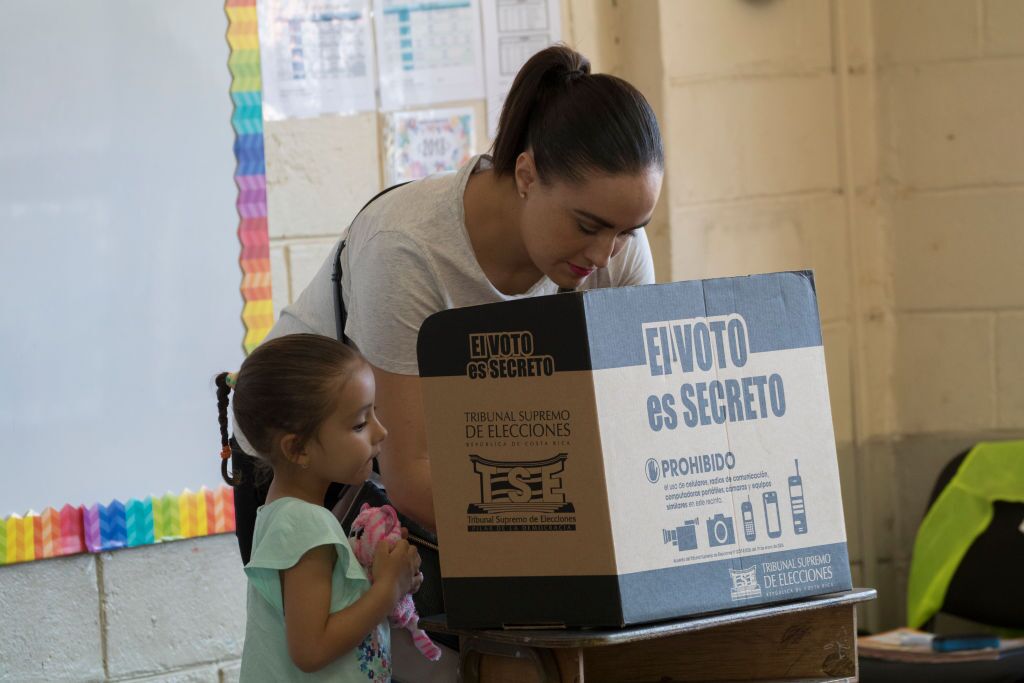
This year will be another big year in elections, both here and abroad—not only for women, but for the health of democracy itself. I wanted to highlight valuable resources.
- Calendar for international elections: My thanks to the volunteers helping Wikipedia provide this summary of the current schedule for national elections, with at least 22 additions to come among the many parliamentary democracies that do not have fixed terms. Nations with scheduled elections include Costa Rica in February, Colombia in March, Peru in April, Zambia in August, and Sweden in September. Wikipedia also has a calendar for local elections.
- Akshi’s WomenLead substack reviews 2026 elections internationally: The exceptionally valuable WomenLead substack comprehensively reviews upcoming elections for what they might mean for women.
- Comprehensive 2026 calendar for American elections: Ballotpedia has an exceptionally useful, sortable calendar of federal, state and local regularly scheduled and special elections in the United States. For example, on Jan. 13, six states hold special elections for state legislative seats, and two states hold local elections.
- Calendar for primaries in the United States: The United States is the only major democracy with a tradition of states funding primary contests to select parties’ nominees for the general election. This National Conference of State Legislatures resource includes this year’s schedule, with Arkansas, North Carolina and Texas kicking off voting on March 3.
- Thirty-six states holding elections for governor: This Wikipedia resource lists the 36 states holding gubernatorial elections, with links to each state.
Women in the 2026 Elections in the United States
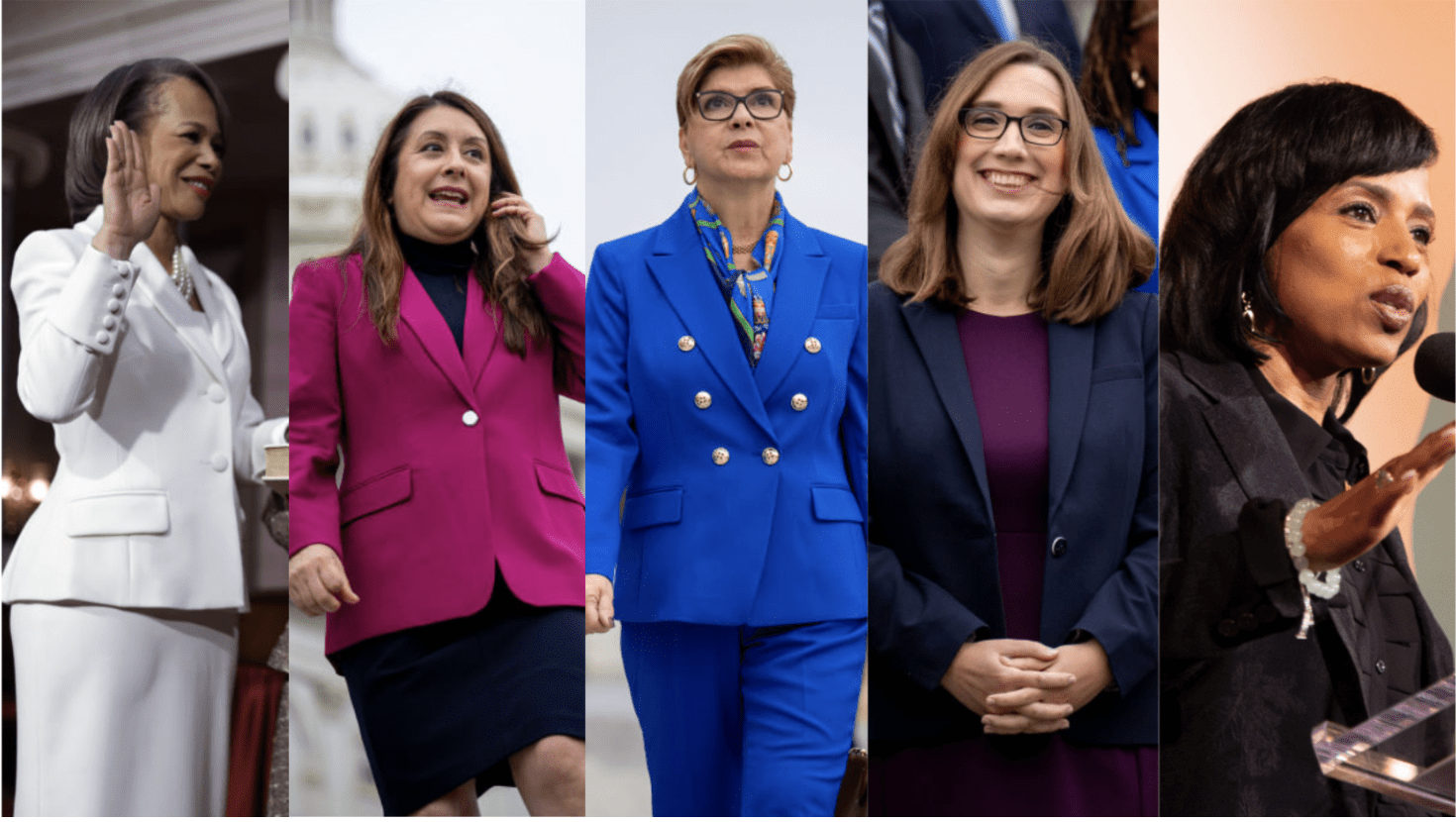
These are just a few of the storylines we’ll be following this year.
- Of our 14 women governors (counting newly elected governors in New Jersey and Virginia), six are completing their tenure this year in Alabama, Iowa, Kansas, Maine, Michigan, and New Mexico. Most of the six seeking re-election in Arizona, Arkansas, Massachusetts, New Hampshire, New York, and Oregon face potentially competitive primary or general election challenges. Strong women are running for open seats or as challengers in several other states.
- Of our eight U.S. senators bowing out this year, four are women—Democrats Tina Smith (Minn.) and Jeanne Shaheen (N.H.), and Republicans Joni Ernst (Iowa), Cynthia Lummis (Wyo.). Tennessee’s Marsha Blackburn is running for governor, as might Minnesota’s Amy Klobuchar, while Maine’s Susan Collins is the cycle’s most vulnerable Republican incumbent. To maintain at least 26 seats, women will have to do well in open-seat races and as challengers.
- A number of women are also leaving the U.S. House, including young Republican leaders Marjorie Tayler Green (who left office this week), Nancy Mace, and Elise Stefanik, as well as long-serving Democrats Nancy Pelosi, Nydia Velázquez, Bonnie Watson Coleman and Jan Schakowsky.
This may well be the year that women become the majority of all Democrats in state legislatures, representing an important milestone.
Kate Wilson Takes Office as Seattle’s New Mayor
John Burbank, in a profile in The Nation magazine, profiled Seattle’s new mayor, Katie Wilson, who won one of the 2025 election year’s biggest upsets. Here’s an excerpt:
“Katie was sworn in by Pauline Van Senus, a low-income transit rider known as Seattle’s “transit fairy” for cleaning bus stops throughout the city. Katie’s victory was won by the precariat: renters, transit riders, and democratic socialists who rallied around Katie, rang doorbells for her, created dominant social media, and registered new voters.
These are not the recognized power brokers of Seattle, but Katie’s win shows they can mobilize and inspire the grassroots to elect a mayor who embraces working-class values and policy that will enable residents to thrive—including affordable childcare, transit, and housing.,,,
Katie’s platform is about more than creating a thriving economic community. It’s also about setting the conditions that allow everyday people to enjoy the simple pleasures of life—to walk in a park, to have time to read a book. Watching Mamdani’s swearing-in from Seattle, I was moved to tears as Lucy Dacus sang “Bread and Roses.” In Seattle, Katie, echoing these lyrics, affirmed that we must open up “the time and space where life happens, where people can breathe and experience and create, where we can be full human beings and not just means to an end.… Because we need bread, but we need roses too. We deserve roses.”
Recognizing a Movement—Ohio Joins a Growing National Effort to Honor Women’s Political History
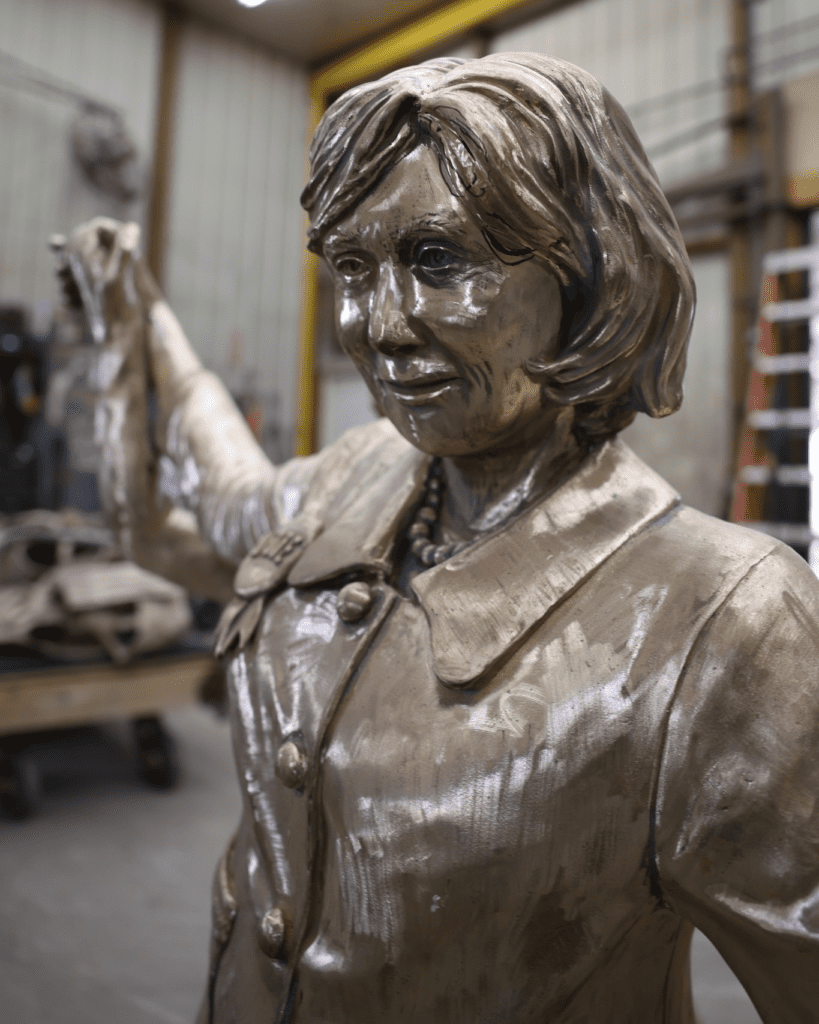
Later this year, the Ohio Statehouse will unveil the Ohio Women’s Monument, a permanent installation honoring generations of women who shaped the state’s civic and political life—from the early suffrage movement to the present day. Approved after years of planning and advocacy, the monument will feature bronze sculptures of women atop granite columns, with a fourth column intentionally left empty to represent the future contributions of Ohio’s women.
The project emerged after the COVID-19 pandemic disrupted plans to mark the 100th anniversary of the 19th Amendment. Rather than allow the milestone to pass quietly, former Madeira Mayor Mary Ann Christie proposed a permanent tribute—a bold idea in a space where monuments honoring women remain rare.
For those involved, the goal is not only to commemorate history but to shape possibility. The Columbus Dispatch article notes:
“What I hope for my granddaughter or great-granddaughter is that they can see themselves in the future as leaders, as women who make a difference,” said Donna Collins, executive director of the Ohio Arts Council. […]The idea that consistently resonated with me was the depiction of women standing on columns, a metaphor that both acknowledges and challenges longstanding traditions in American culture,” Councill said.Women are often put up on pedestals as passive or flawless figures, but Councill’s work will depict a woman stepping down from that pedestal.“The act of descending is symbolic − it rejects the notion that women should remain distant, untouchable ideals and instead presents them as active participants in society,” Councill said. “This shift from elevation to engagement invites viewers to reconsider societal expectations and recognize the evolving roles of women as leaders, innovators, and agents of change.”
Ohio’s role in the women’s rights movement runs deep. The state hosted the first statewide women’s rights convention outside New York in 1850, and it was in Akron that Sojourner Truth delivered her historic “Ain’t I a Woman?” speech the following year. Ohio women also secured limited voting rights as early as 1894 and were among the early states to ratify the 19th Amendment in 1919. Still, as historians note, full access to the ballot remained out of reach for many women, particularly Black and Native women, for decades afterward.
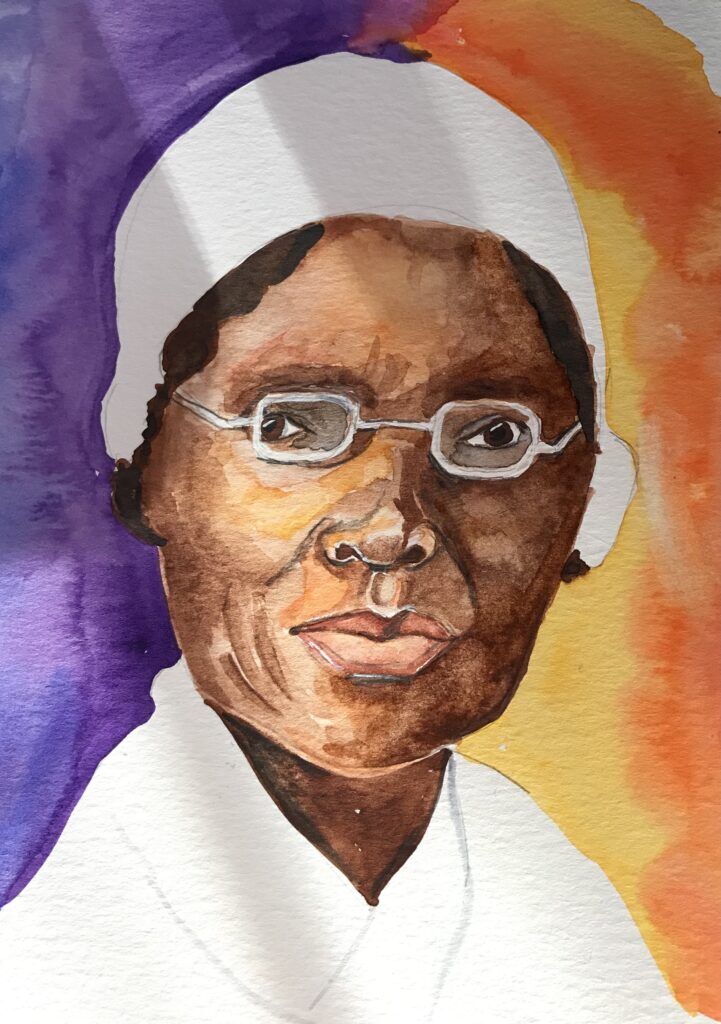
Ohio’s announcement comes amid a broader national reckoning over whose stories are honored in public spaces. In Washington, D.C., plans are also moving forward to resurrect a monument honoring women suffragists on the National Mall—a proposal that was greenlit earlier this month, with design plans expected to be completed next year. Together, these efforts reflect a growing recognition that women’s political organizing and leadership are not footnotes to American democracy, but foundational to it.
For RepresentWomen, moments like this matter. Representation isn’t only about who holds office today; it’s also about whose contributions are visible, valued, and remembered. Public monuments shape our collective understanding of power, leadership, and belonging. As more states and cities move to honor women’s movements in permanent ways, they help make clear what history too often obscures: women have always been architects of democracy, even when denied its full protection.
“What the Backlash Against Women’s Leadership Tells Us About Young Men”
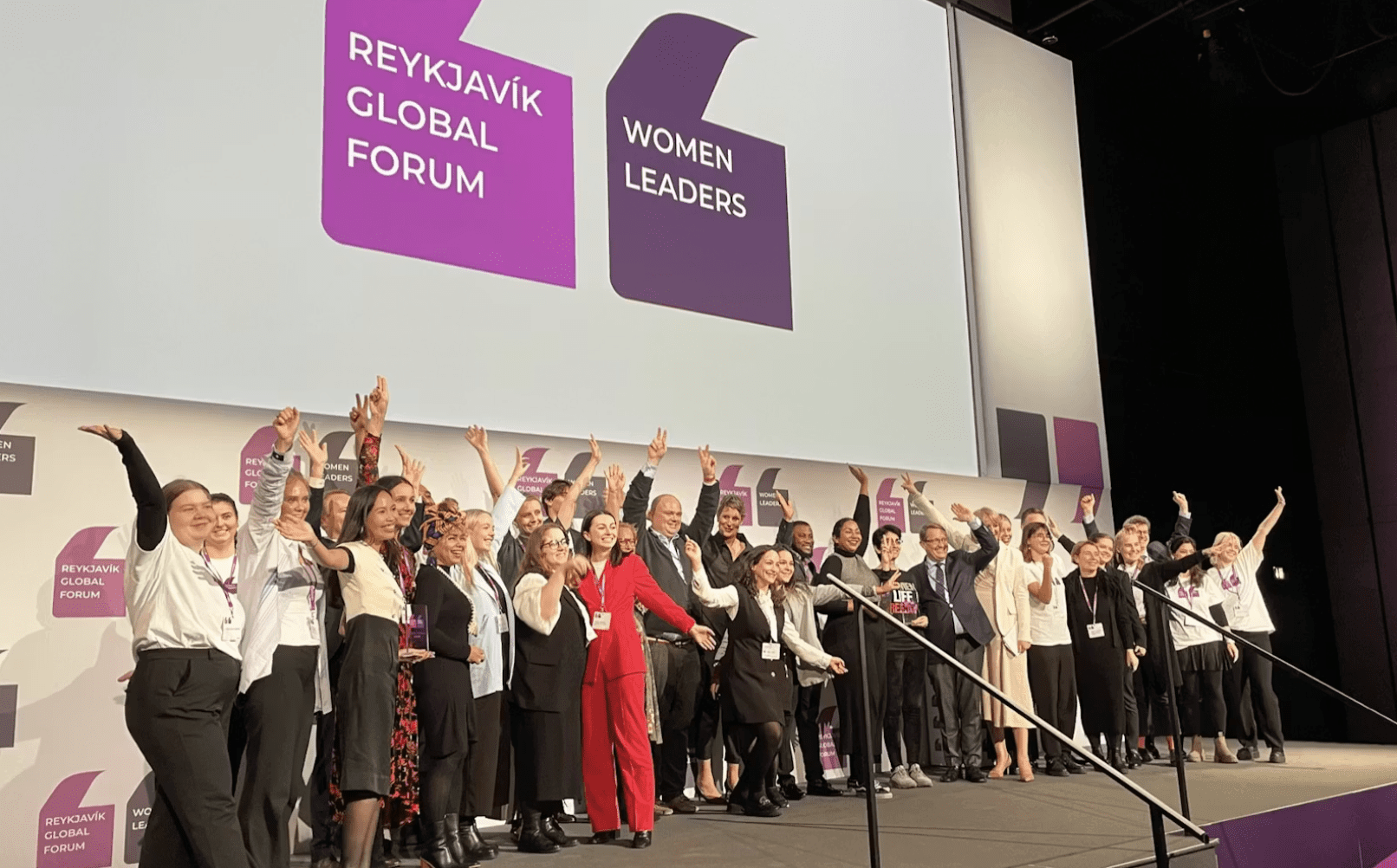
At RepresentWomen, we spend a lot of time thinking about how political power is built, and just as importantly, how it is sustained. That means paying close attention not only to women’s representation but also to the broader social and economic dynamics that shape whether progress endures or provokes backlash.
That’s why we’re lifting up this recent Ms. magazine piece by RepresentWomen’s director of strategy & learning, Katie Usalis, which reflects on conversations with Richard Reeves and Michelle Harrison at the Reykjavik Global Forum. The article asks a question that’s increasingly central to systems-level reform: What is the future of women’s leadership, depends, in part, on how we engage boys and young men?
Rather than treating backlash against women’s leadership as an ideological inevitability or framing gender equality as a zero-sum contest, the piece invites a different approach—one that understands backlash as a signal. Economic insecurity, social isolation and disconnection are not excuses for rolling back equality, but they are realities that shape how reforms are received and sustained. Addressing them thoughtfully is essential to building coalitions that last.
As Reeves notes in the article, conversations about women’s leadership resonate most when grounded in lived experience rather than abstraction. And as Harrison reminds us, withdrawal from equality often reflects distress before ideology; a distinction that matters deeply for anyone working to design systems that expand opportunity rather than entrench division.
Here is an excerpt from the conversation:
Usalis: Richard, when we talk about reaching young men and boys, especially in the context of women’s representation, a lot of women feel wary—like, “Really? We’re talking about men again?” How do you think we should talk about women’s representation with men and boys?
Richard Reeves: I’d start by saying: Make it personal, not abstract.
If you ask young men in the abstract about “gender representation in leadership” or “women on AI boards,” you’re likely to get confusion, defensiveness or just a sense of distance. It feels very elite, very remote. Most people aren’t thinking about who sits on the global AI governance council.
But if you ask:
“Do you think your sister should have the same chance to be the boss as you?”
“Do you think your mom should get passed over for promotion at the DMV just because she’s a woman?”
“Should your local school board or council be all men?”
Almost no young men will say, “Yes, I think my sister should have worse opportunities.” Framed at the level of their mom, their sister, their local school, it’s very difficult to be against fairness. That’s the lived reality.
The second piece is: assume they’re on-side, instead of treating them as the enemy to be converted. If we speak as if every man is a latent misogynist, they will hear that. Many men actually do care about equality—and many are struggling themselves in other ways.
This leads to the third point, which I know is controversial: if we say we care about gender representation, we have to show that we care when it goes the other way too.
“The Feminist Peace Plan That Could Still Save Us”
I am horrified by the toxic masculinity unfolding in the United States, from macho ICE agents gunning down an unarmed poet and mother of three in Minneapolis this week to Donald Trump and his overwhelmingly male foreign policy team abandoning scores of international treaties and organizations in the wake of their brazen violation of international law and American laws involving Congress in abducting Venezuela’s president and threatening acting president Delia Rodriguez. This week, Trump announced a proposed military budget that would increase spending on war to more than 50 percent to $1.5 trillion, even while his administration is dramatically increasing the costs of healthcare for millions of Americans and slashing food and other assistance for low-income Americans.
It was timely for me to receive this thoughtful post from Lorissa Rinehart in her Substack, The Female Body Politic, on the role of women as Peacemakers: The Female Peace Plan That Could Still Save Us. Here’s an excerpt:
“In the late spring of 1919, Jane Addams, Mary Church Terrell, and Jeannette Rankin, along with several other members of the Women’s International League for Peace and Freedom, set sail for Paris.. They arrived in Zurich, where they drafted what remains one of the most radical and prescient blueprints for international diplomacy in modern history: the 1919 WILPF Resolutions.
At their core, the WILPF Resolutions rejected the punitive logic that would soon dominate the Treaty of Versailles. Instead of collective punishment, they advocated collective security. Instead of territorial humiliation, they demanded self-determination. Instead of secret treaties and militarized borders, they proposed open diplomacy, international arbitration, disarmament, economic cooperation, and mechanisms to address the material conditions that so often ignite conflict: poverty, scarcity, and political exclusion.
History tells us what happened when those ideas were sidelined. The Treaty of Versailles imposed crushing reparations on Germany, dismantled its economy, and fostered a politics of grievance that Adolf Hitler would exploit with terrifying efficiency.
Had the WILPF framework been adopted instead, one focused on reconciliation rather than retribution, it is difficult to imagine the same fertile ground for fascism to take root. The Weimar Republic might have stabilized rather than collapsed under the weight of humiliation and economic despair. Hitler, deprived of his most powerful political fuel, may never have come to power at all….
With small and large-scale conflicts exploding all over the world, edging us ever closer to total global warfare, we find ourselves at a crossroads much like that faced by the women of WILPF in 1919. It is up to us to carry out their work, to believe that another world is possible, one that is just, equatable, and free of war. We must have the courage of our convictions to build that world, no matter how difficult the task may seem, because the stakes could not be higher.
For those who would say we have no chance at success because we have so little power, I would remind you that most of the women in the WILPF contingent did not even have the vote. And yet they refused to be silenced. It is because of their bravery that we have a record of their voices, from which we can learn, find wisdom and encouragement, and, perhaps most importantly, a place to begin.”
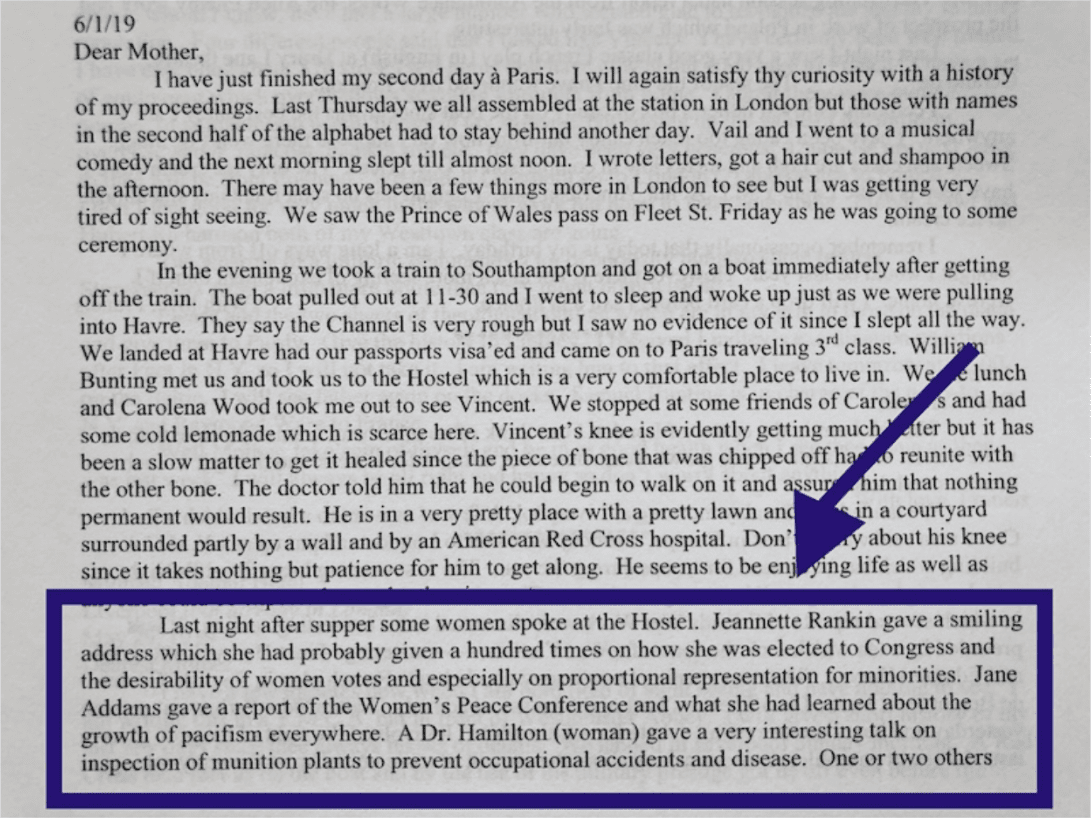
Lorissa’s post reminded me of this letter from my great uncle Francis Nicholson to his mother (with the Quaker personal pronouns used in my family) about the “address” that he and my grandfather Vincent Nicholson (who was in Europe with the American Friends Service Committee) attended in June of 1919 in France led by Jeannette Rankin & Jane Addams that must have been one of the events organized by the WILPF. I had the immense pleasure of meeting the current Secretary General of the WILPF, Dr. Amrita Kapur, at the Reykjavik Global Forum last November—it was so heartening to hear about how this vital work continues. To round out the connections, I wrote my college entrance essay on why I would choose to have dinner with Jane Addams—I am so grateful for the many women leaders upon whose shoulders I stand.
P.S. —
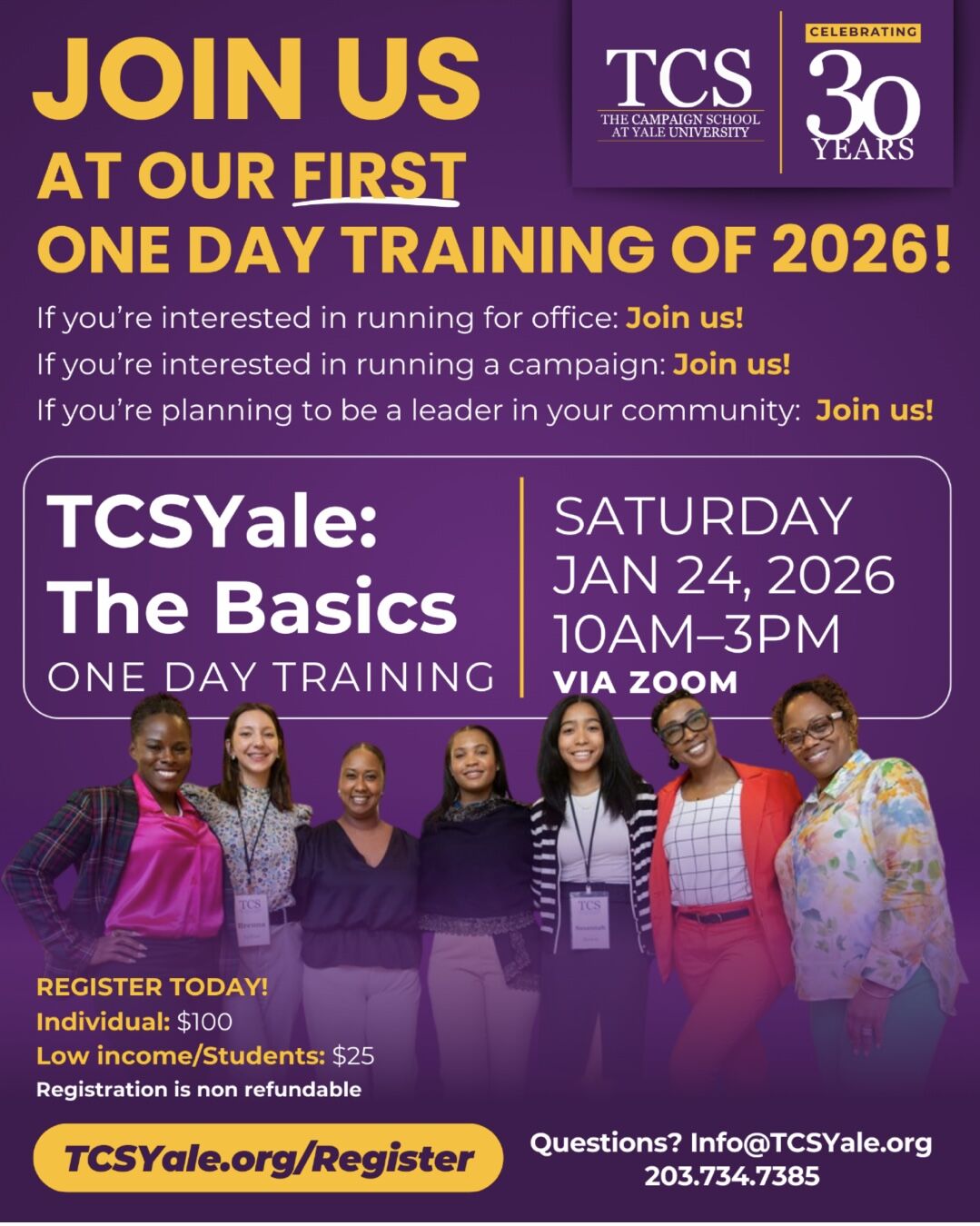
If you’re thinking about running for office, managing a campaign, or stepping more fully into leadership in your community, we want to share an opportunity we believe in. The Campaign School at Yale University is hosting its first one-day training of 2026—TSCYale: The Basics—on Saturday, Jan. 14, from 10 a.m. to 3 p.m. ET (via Zoom). It’s an accessible, practical introduction to the fundamentals of running and winning, led by experienced women in politics. You can learn more and register for the event here.