
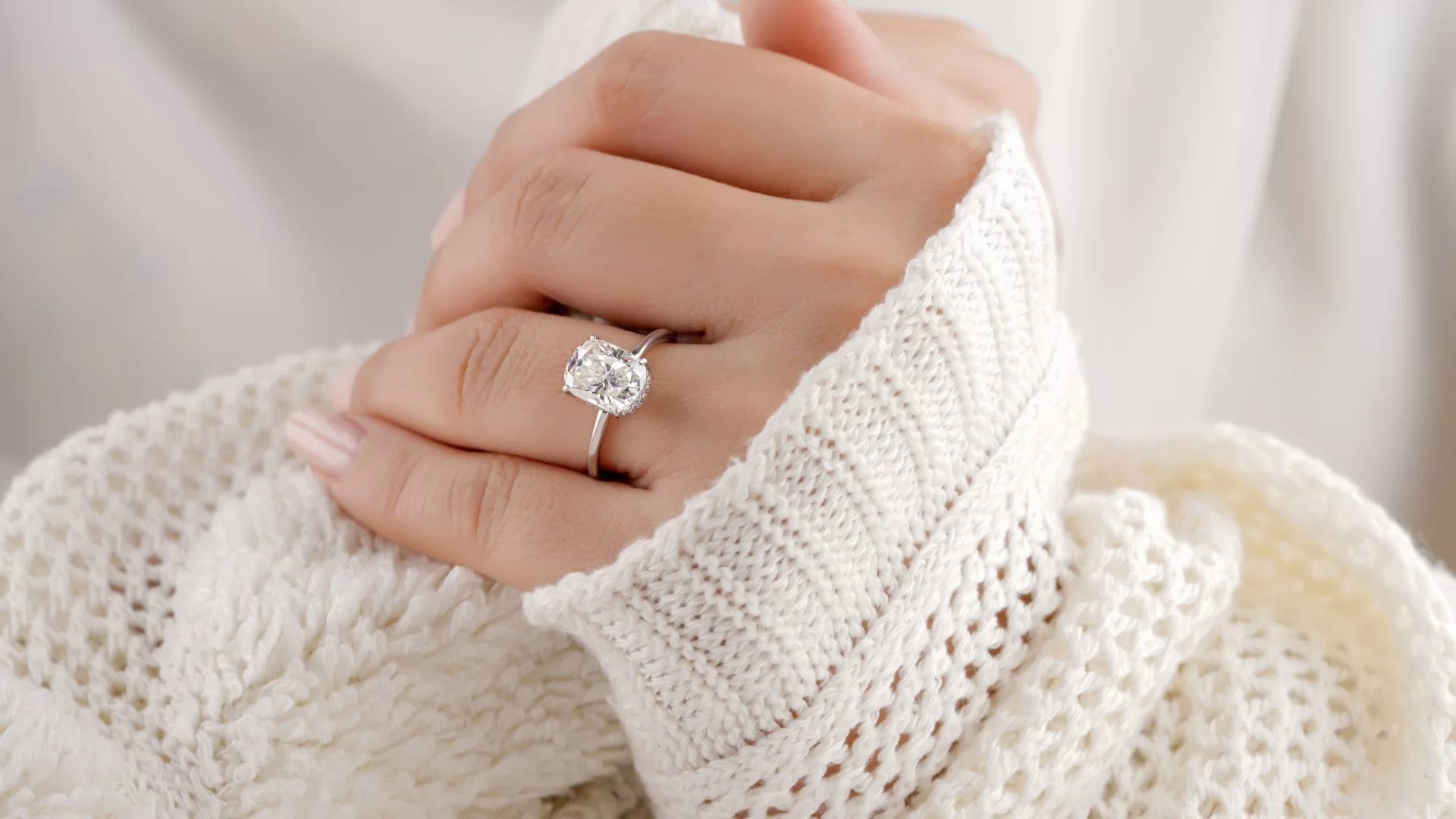

Choosing an engagement ring can feel like standing in a jewelry shop with a thousand options; Best Engagement Ring Websites add choice and confusion with terms like cut, carat, clarity, setting, metal, and budget to weigh against taste and lifestyle. What makes a solitaire feel classic, a halo ring that catches the eye, or a vintage style practical for everyday wear? How do you factor in ring size, certification, conflict-free sourcing, and resale value?
-
![18k Yellow Gold Vatche U-113 6-Prong Solitaire Engagement Ring]()
18k Yellow Gold Vatche U-113 6-Prong Solitaire Engagement Ring from Whiteflash

This guide breaks down diamonds, settings, metals, customization, and online buying so you leave with clear criteria and the confidence to pick the perfect engagement ring.
PriceScope, the largest diamond and jewelry forum, connects you with experienced buyers and jewelers for honest reviews, sizing help, and straightforward advice so you can test ideas, compare options, and shop with confidence.
7 Steps on How to Pick an Engagement Ring
1. Choose the Right Brand
Start your search with brands that match the level of service and quality you want. Big names like Tiffany and Pandora carry a luxury promise. Online leaders such as Whiteflash, James Allen, and Blue Nile combine transparent imagery, certification guarantees, and competitive pricing. Look for sellers that issue GIA or IGI reports for stones over about 0.3 carats and that offer clear return, warranty, and resizing policies.
-
![Petite Pavé Diamond Engagement Ring In 14K Rose Gold]()
Petite Pavé Diamond Engagement Ring In 14K Rose Gold from James Allen

Remember, certain settings only work well with specific diamond shapes and sizes. Knowing your partner’s preferences on metal color, style, and ring size ensures you select a truly personalized ring. This knowledge guides your brand choice as well, as some brands specialize in classic or modern designs that better match individual tastes.
2. Set a Realistic Budget
Set a budget tied to your finances, not a rule of thumb. Account for income, savings, debt, and the rest of your wedding costs. Decide whether you will pay cash, use financing, or wait for seasonal discounts or promotions.
Prioritize what matters: many buyers perceive more value by focusing on cut and setting rather than a slight increase in carat weight. Consider lab-grown diamonds as a cost option, then weigh resale, insurance, and sentimental value before deciding.
3. Find the Correct Ring Size
Use a jeweler’s ring sizer, borrow a ring your partner already wears, or take discreet measurements on the finger while they sleep. Measure fingers in the late afternoon for typical swelling and factor in the band width; wider bands usually need a slightly larger size.
-
![Blue Nile Studio Heiress Halo Diamond Engagement Ring in Platinum (3/8 ct. tw.)]()
Blue Nile Studio Heiress Halo Diamond Engagement Ring in Platinum (3/8 ct. tw.)

If you plan a surprise, consider temporary rings or adjustable settings so you can confirm the final size later without stress. Also, check the jeweler’s resizing limits: some styles and metals are more complex or more expensive to alter.
4. Explore Ring Styles and Preferences
Learn the differences between solitaires, halo, three stone, pavé, bezel, and tension settings so you can match the finish with your lifestyle. Solitaires read clean and timeless. Halo settings boost apparent size. Bezels and low-profile settings suit hands-on work and active daily life.
Match diamond shapes to settings. Round brilliants perform well in most mounts. Step cuts like emerald and asscher show clarity and work best in secure, low-profile settings. Fancy shapes, such as pear or marquise, need extra prong protection to reduce snagging.
5. Try the Ring Before Buying
Whenever possible, try the actual ring in person to assess comfort, proportion, and how the band pairs with daily wear. For online purchases, request high-resolution images, 360-degree videos, and the grading report before paying. Use AR try-on tools to preview scale on the finger, but confirm with physical inspection when you can.
Ask for the return window, warranty details, resizing fees, and whether the seller provides a written appraisal for insurance. Get the certificate number engraved or laser inscribed on the girdle when available so you can verify the report online.
6. Pick a Reputable Jeweler
Work with professionals who explain the 4Cs clearly and show differences between stones with the same grades. Look for staff trained through accredited programs such as the GIA Graduate Gemologist or Applied Jewelry Professional. Trust signals include clear grading documents, in-house imaging, documented sourcing practices, and solid customer reviews.
