


Fear of immigration enforcement is reshaping the daily routines, safety and solidarity of care workers who rely on public spaces to connect and share information.
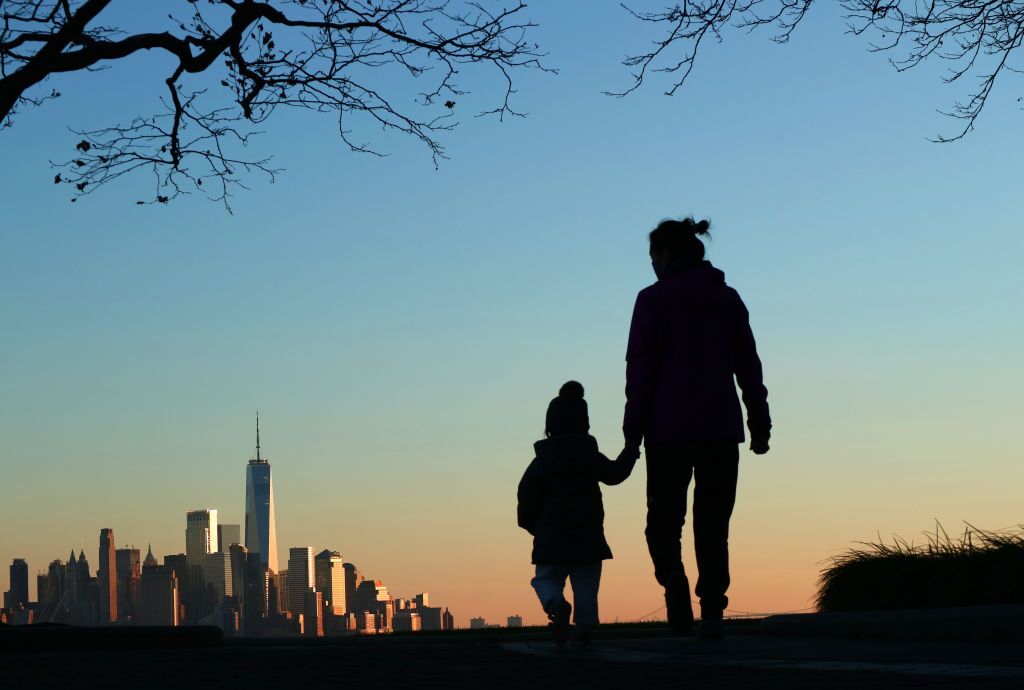
On a typical night, Felicia is probably going through about five feedings while she sits with new mothers home from the hospital. After sleepless nights as a newborn care specialist, she dodges early-morning commuter traffic to get to her next job as a nanny, where the day continues with daycare pickups, snacks and playground hangs.
Like many domestic workers in New York City, Felicia has built a strong network of other working professionals who meet at local parks to socialize and share their experiences. Over the two decades she has spent caring for New York families since arriving from St. Lucia, those conversations have grown into friendships—friendships she says have become a lifeline.
For years, the park has been one of the only places Felicia felt she could exhale. That has all changed under the second Trump administration.
For nannies, parks have long functioned as break rooms and professional networking grounds, a rare third space where care workers can meet one another in daylight, swap advice and quietly compare notes about pay, hours, boundaries and respect. Felicia learned about worker organizing through those conversations. “We’d be meeting each other at the park … and we always end up talking about the condition of our workplace,” she said.
Now, she says, those spaces are disappearing.
Felicia hears it constantly: fewer nannies at the park, fewer informal gatherings in play spaces, fewer familiar faces lingering in bookstores to warm up with kids on cold days. People are staying indoors, shortening their routes and avoiding public places that were once part of the workday. That’s because fear has gotten louder. The process feels unpredictable and unchecked. “No one knows,” Felicia says. “ICE can kidnap you.”
Across the country, immigration enforcement and racial profiling are converging in ways that put Black domestic workers, regardless of citizenship, under intensified scrutiny. It shows up in who gets questioned on public transit, who is stopped on the way to work, whose workplace is investigated and whose presence is treated as suspicious.
… fewer nannies at the park, fewer informal gatherings in play spaces, fewer familiar faces lingering in bookstores to warm up with kids on cold days.
In September 2025, the U.S. Supreme Court lifted restrictions that had limited how Immigration and Customs Enforcement (ICE) officers could conduct certain stop-and-question practices, an emergency decision that civil rights advocates warned would widen the space for racial profiling in enforcement. For Black communities, this matters regardless of citizenship status.
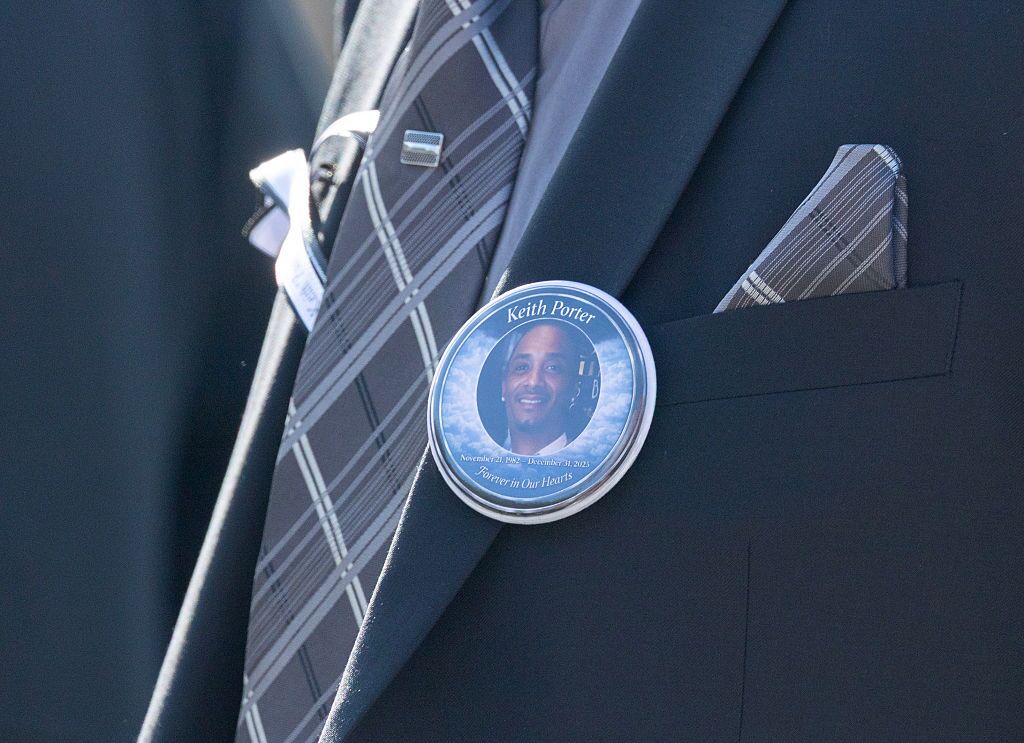
A few months ago, on New Year’s Eve, Keith Porter Jr., a Black father in Los Angeles, was shot and killed outside his home by an off-duty ICE officer, raising urgent questions about accountability when immigration enforcement power turns deadly.
Just two months later, in February 2026, Dr. Linda Davis, a Black woman and special education teacher in Georgia, died after a Department of Homeland Security (DHS) and ICE operation led to a street pursuit and a crash during her commute. She was a care worker in her own right, showing up for students and families every day, and her community is now grieving her because a street chase should not have taken her life.
Their deaths reflect a wider reality: people are losing their lives, dignity and freedom in connection to immigration enforcement, and the harm does not sort itself neatly by citizenship. It spreads through neighborhoods, workplaces and families. All of us pay the price when enforcement operates outside of the law with the intent to spread fear in our communities.
Although Black immigrants make up a smaller share of the immigrant population, they face disproportionate harm in detention and deportation systems, including disproportionately high reports of abuse and mistreatment in custody.
For Black domestic workers, these dynamics collide daily: being visible enough to be targeted, but invisible enough to be dismissed.
Domestic work is isolated by design. It takes place in private homes, small child care centers and individual client settings. Workers travel between jobs. They rely on public transportation. They work early mornings and late nights. These conditions limit visibility, reduce collective protections and increase exposure to harassment and surveillance in public spaces.
What is happening now goes beyond the commute. When nannies stop going to parks, bookstores and play spaces, the loss extends beyond social benefits; it also affects their labor rights. Those spaces are where workers trade information that employers and agencies rarely share: what overtime should look like, what a contract should include, how to respond to wage theft and what to do when a boss retaliates. It’s where someone realizes, often for the first time, that what’s happening to them is not normal or legal. It’s where Felicia learned about her rights for the first time, five years after the New York Domestic Workers Bill of Rights was passed.
Fear empties park benches and closes down those conversations. Isolation deepens. Exploitation gets easier. And Black women, especially, will lose jobs.
In 2025, a weakening labor market disproportionately affected Black women, who lost jobs at nearly three times the rate of women overall. More than 300,000 Black women were pushed out of work across both public and private sectors. As a result, their unemployment rate rose from 5.4 percent in February to 7.5 percent by September, and their employment rate dropped to 55.7 percent, marking one of the steepest one-year declines in decades. When Black women lose jobs or remain unemployed longer, the consequences ripple through households and communities that already carry disproportionate caregiving responsibilities.
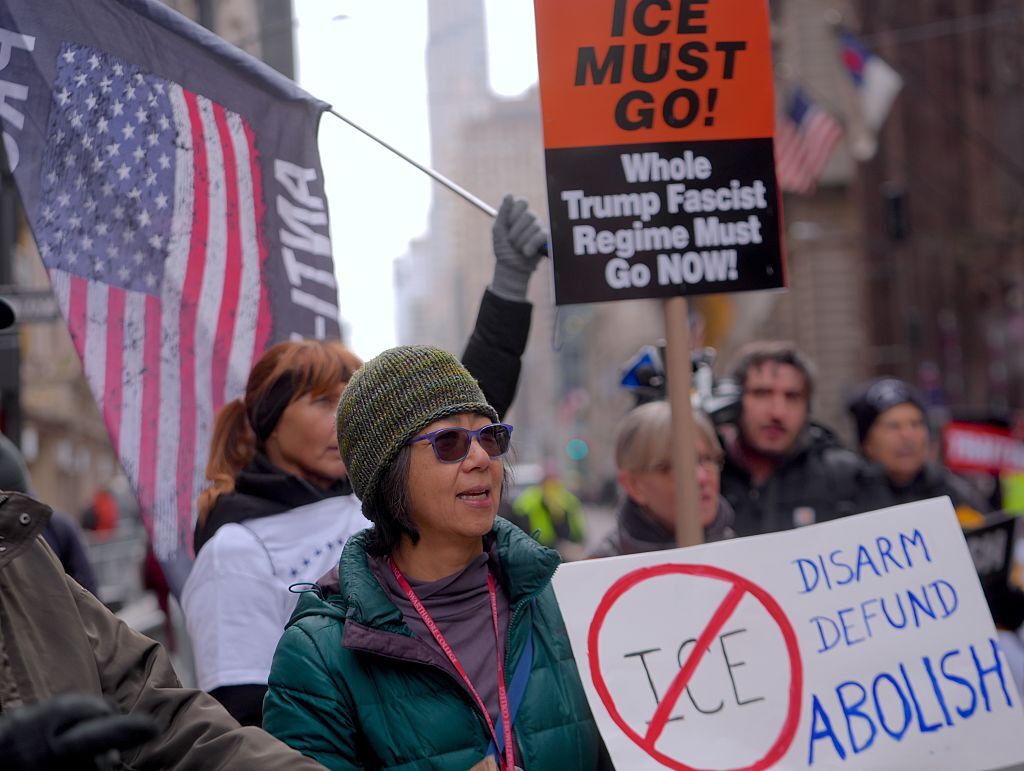
At the National Domestic Workers Alliance, we organize nannies, house cleaners and home care workers across the country. Most domestic workers are women. More than half are women of color. Many are immigrants. What brings workers together is not status. It is work that has been undervalued, underpaid and underprotected for generations, and the shared understanding that fear is being used to keep people quiet.
We need policies that recognize how much we depend on each other for care, instead of pouring more public money into enforcement that spreads fear and destabilizes communities. Because when fear empties parks and silences workers, exploitation gets easier and accountability disappears.
That means our government should not fund enforcement agencies that operate outside the law spreading fear throughout communities. It means workplace investigations must be fair, transparent and based on evidence, not suspicion. It means protecting the rights of all workers, no matter where they were born. It means stabilizing health and food access so families are not forced to choose between survival and dignity.
Felicia shouldn’t have to choose between her livelihood and her safety just to take a child outside. Those parks were her break room, her professional network and the place she first learned her rights. If we want communities to thrive, we have to make sure the people who provide care can live and work without fear. We are only as safe as our neighbors.
