
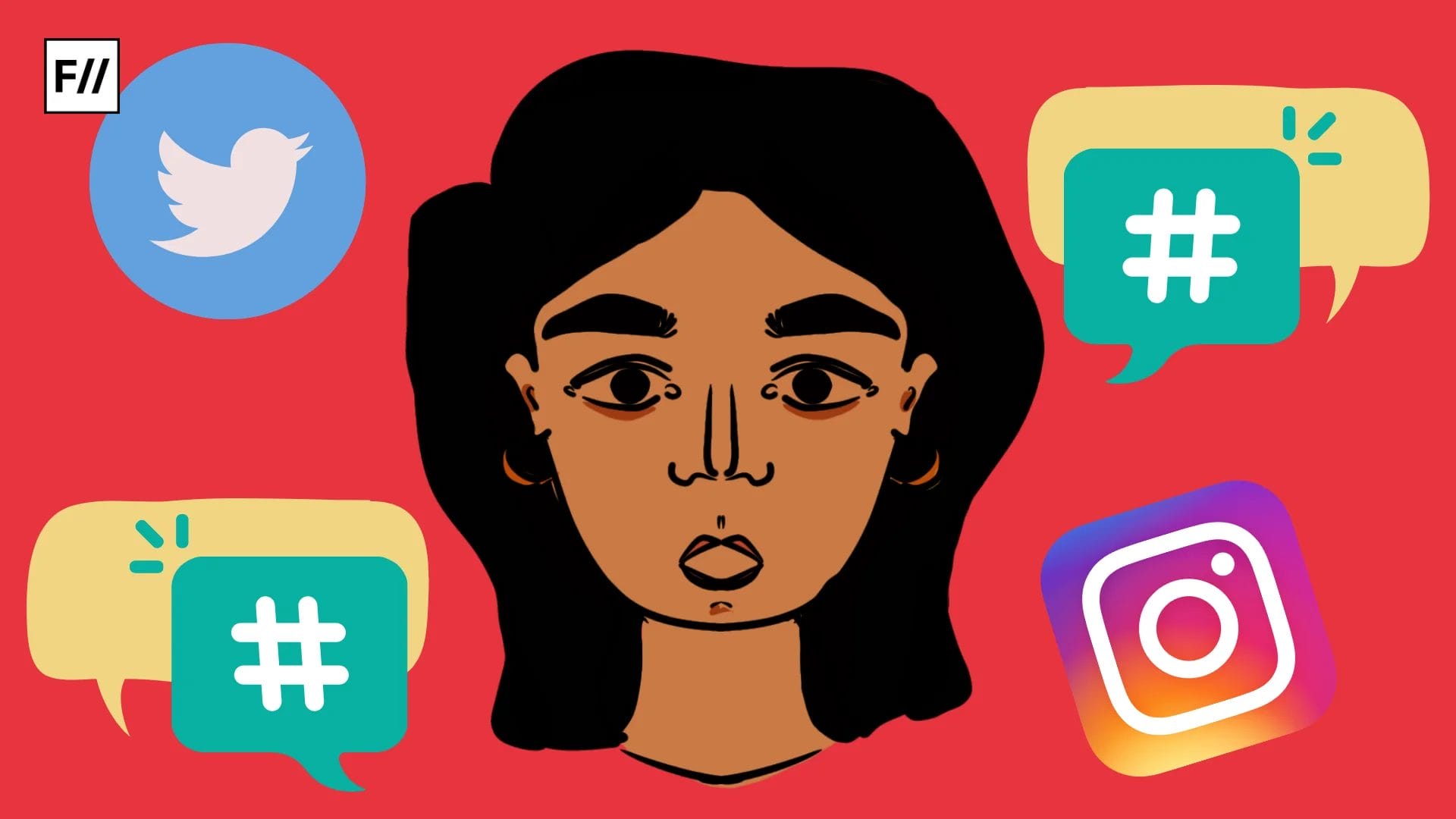

In 2016, Feminism in India (FII) published a groundbreaking research report on technology-enabled gender-based violence titled “Online violence against women in India”. The report aimed to analyze the unique threats faced online by women and marginalized groups in India and how Indian laws impact these issues. It was found that 58% of respondents experienced online aggression in the form of trolling, bullying, abuse or harassment. “When I write feminist views, men start calling me names and making offensive comments,” one said. “When I raised the issue of sexual abuse by a priest in a church, his followers attacked me and my work,” said another respondent who conducted research on gender issues online.
Accordingly, one in three women is affected by violence against women and girls World Health OrganizationThis makes it a global human rights emergency that must be stopped at all costs. One of the fastest growing forms of abuse is digital violence against women and girls.
Digital tools and the rise of AI are increasingly being used around the world to stalk, harass and abuse women and girls. The consequences of these acts are not limited to the online realm, but often spill over into real life through acts of violence such as coercion, physical abuse, and even femicide. This causes long-lasting damage and often impacts survivors over a longer period of time. While women from all walks of life are more affected by digital violence than men, it is particularly bad for those who are visible publicly or online – such as activists, journalists, women in politics and human rights defenders. Women who face intersecting forms of discrimination, including race, disability, gender identity, caste or sexual orientation, are even more vulnerable than most.
Digital violence is incredibly difficult to stop due to various factors, such as: Such as lack of accountability and low ethical standards of technology platforms and social networks, weak regulation of the technology sector and lack of legal recognition of such forms of violence in most countries, anonymity of perpetrators and limited support system for survivors of cyberbullying, as well as the rise of AI and related tools, which has only exacerbated the problem to a frightening extent.
In 2017, the EU appreciated that one in ten women have experienced some form of online violence by the age of 15. When the COVID-19 pandemic struck, lockdowns forced people to rely on digital spaces for work, education and social interaction. Therefore, the chances of abuse multiplied. UN Women Rapid Gender Assessment on the impact of COVID-19 on violence against women pointed to a significant increase in online harassment, image-based abuse and cyberstalking during this period. This was the case in the UK, where 38% of women reported increased online abuse.
Digital violence against women in India has become a nagging problem Data from the National Crime Records Bureau (NCRB), which shows a 28% increase in cybercrimes against women between 2019 and 2020,
Digital violence also affects queer and trans people, especially those active in public forums. From trolls who leave hateful comments to stalkers who openly threaten people online, queer people find themselves in a precarious position in the digital space just to exist. In 2023, a 16 year old queer kid and self-taught makeup artist Pranshu Yadav died by suicide due to online bullying and hate. Additionally, queer people and women are often fetishized, harassed, and objectified and hypersexualized by people online.
The rise of AI has led to even greater precarity for women and queer people who inhabit digital spaces. From deepfake porn to doctored videos to AI-powered scams, they are currently at much greater risk. A UNICEF report states: “As the accuracy and performance of AI improves and its accessibility increases, the risks that AI poses to violence against women and girls also increase.” AI tools can be used for this surveillance And stem Women and girls, track their movements, monitor their communications and Collecting personal information. AI tools too make it easier to create non-consensual intimate images (NCII)also known as Deepfake pornographywhich can be used to publicly humiliate, shame, discredit, threaten, control and/or financially coerce women and girls, sometimes resulting in physical harm, including suicide. And AI systems can be used as such by governments and non-state actors Weapon of oppressionSurveillance and suppression of feminist movements, Women’s organizationsand others committed to social justice.’
However, there are great hopes in the fight against digital violence. Thanks to years of advocacy by feminist groups and digital rights movements, the 2024 Global Digital Compact established the first UN-wide standards for digital security and AI governance. As a result, member states adopted the UN Convention against Cybercrime, considered the first legally binding international instrument to combat digital violence. The General Assembly even adopted a resolution calling on states to take immediate and effective measures to prevent and eliminate digital violence and also strengthen platform regulation and accountability. Similar measures and resolutions have also been adopted by regional bodies such as the African Union and the EU.
As part of these efforts, the UN is conducting the 16 Days of Activism Awareness Campaign Against Gender-Based Violence this year Theme “End digital violence against all women and girls” to revive previous commitments and demand greater accountability in an ever-evolving digital space and effective action from decision-makers around the world. To recognize this, the campaign calls for:
- Governments should create, adopt and enforce laws that define and criminalize digital violence, protect personal data and strengthen accountability in the technology sector
- Tech companies should enforce content moderation to ensure platform security, remove harmful posts, enforce codes of conduct and publish transparent reports
- Donors are investing in feminist organizations working to end violence against women and digital rights groups to hold social platforms and tech companies more accountable
- Individuals speaking out, supporting survivors, and challenging harmful online norms and conversations to create a safe digital space for everyone
To spark a conversation about gender, AI and digital violence, FII is looking for submissions for our Mood of the Month throughout the month of November. We will continually review and publish articles until November 25th. Please send us your pitches as soon as possible.
Some of the topics that might be helpful to you are listed below:
- Gender and image-based sexual abuse (revenge porn)
- Gender and cyberbullying
- Technical irresponsibility
- Gender and online hate speech
- Gender and digital surveillance
- Catfishing and impersonation
- The Manosphere and Online Incel Culture
- Gender, caste and online harassment
- Queerphobia and digital violence
- Gender and AI enabled abuse (deepfakes)
- Gender and digital rights
- Cyberfeminism
- Digital feminist solidarity
This list is not exhaustive and feel free to write about any topics within the topic that we may have missed here. Please note our Submission Guidelines before you send us your entries. You can email your submissions to info@feminismindia.com.
We look forward to your drafts and hope you enjoy writing!
Feminism In India is an award-winning digital intersectional feminist media organization with the aim of learning, educating and developing feminist sensibilities and decoding the F-word among the youth in India.
