
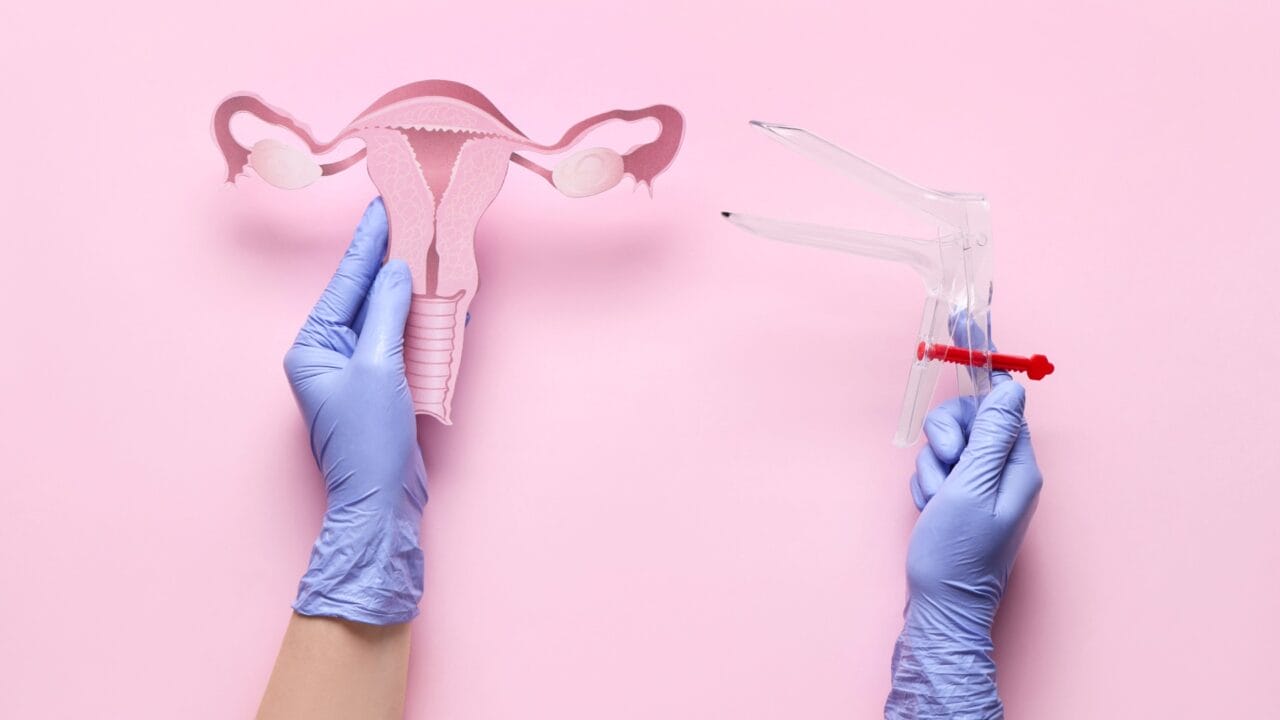

Yes, yes, we all know how important a pap smear is… but how many of us can say we look forward to it? *cricket*. Here’s everything you need to know about the Pap smear so you can stop avoiding it and do the best you can to protect yourself.
What is a Pap Smear?
A Pap smear, also called a Pap test, is a medical procedure used to screen for cervical cancer and detect abnormal cells on the cervix, the lower, narrow end of the uterus that opens into the vagina. During the test, a doctor inserts a speculum into the vagina to hold the vaginal walls apart and then uses a small brush or spatula to collect cells from the cervix. These cells are preserved and sent to a laboratory where they are examined under a microscope for cancer cells or precancerous changes that could develop into cancer if left untreated.
Why you absolutely need to get a Pap smear
“Cervical cancer is a serious disease and can only be detected with a Pap smear,” says Dr. Sebolelo Mojaki, gynecologist and obstetrician. “I know that there are hundreds of women who don’t have a regular Pap smear because they are intimidated by the procedure, afraid of the test results or simply embarrassed about their bodies. I often hear women say how petrified they are when they come in for a Pap smear and I completely understand that and know how uncomfortable it is. But it is so incredibly important to have this test done regularly as it is the best option is to detect cervical cancer. Early detection saves lives.” says Dr Mojaki.
Dr. Themba Hadebe, clinical director at Bonitas, emphasizes the importance of women between the ages of 21 and 29 having a Pap smear every three years.
Cervical cancer is the second most common cancer among South African women – and the cause of most cancer-related deaths. The good news: It is curable if detected and treated in its early stages, which is why regular check-ups are so important.
READ MORE: Did you know you can have a Pap smear done by a GP?
When and how often should I have a Pap smear?
The South African HPV Advisory Committee recommends that women start having Pap smears when they become sexually active or turn 21. Annual testing should be done until age 30.
Starting at age 30, there are two screening options: a Pap test every three years or an HPV PCR test every five years. If previous results were consistently normal, screening may no longer be necessary after age 65. Not sure when you should get tested? Check out this infographic from CANSA.
READ MORE: Cancer doctors reveal the 12 symptoms they would never ignore
What is tested for in a Pap smear?
The sample taken from your Pap smear is generally tested for HPV (human papillomavirus), a virus that is transmitted during sex. There are many different types of HPV, some of which are linked to cervical cancer. Doctors can detect HPV even before changes are visible on the cervix. This allows women’s risk of cervical cancer to be identified much earlier and their health to be closely monitored.
The test also looks for changes in the cells of your cervix. Changes occur very slowly but can lead to serious problems such as cervical cancer. The scary thing about cervical cancer is that there are no symptoms until the advanced stage. If abnormal cells are found in your Pap smear, your doctor can treat them to reduce your risk of developing cervical cancer.
“If cervical cancer is diagnosed late, treatment becomes more invasive, more expensive and survival rates drop dramatically,” says Dr. Hadebe. “When abnormal cells are discovered on a Pap smear, they can often be treated before they ever become cancerous.”
READ MORE: 10 Things No One Tells You About Your Pap Smear
How is a Pap smear done?
Your doctor will ask you to lie back and carefully insert an instrument called a speculum into your vagina so he can see your cervix. A cell sample is then taken directly from the opening of your cervix using a brush or spatula. This sample is then sent for testing.
Remember that you should not make your appointment during your period. It may be more difficult to get a clear result from the test.
READ MORE: What actually happens after a breast cancer diagnosis?
Does it hurt?
Pap smears don’t hurt – they’re just a little uncomfortable and, to be honest, inconvenient. The discomfort only lasts a few minutes because the test can be done quickly. Try to relax as much as possible during the procedure as this will reduce discomfort.
What happens after the Pap smear?
The lab examines the sample and looks for irregular cells. If your cells are irregular, your doctor will call you and explain the next steps.
“I want women to know that they have no reason to be afraid… My message to women is that Pap smears are a part of life. Stop skipping your annual checkups and make your health a priority,” says Mojaki.
READ MORE: What is the true age of perimenopause – and what are the symptoms?
Where to get a Pap smear in South Africa
Pap smear with a family doctor
A Pap smear is usually done by a gynecologist, but more and more doctors are also offering the Pap smear by a family doctor. If your GP doesn’t already offer this, you can find an Intercare GP near you. “Many women do not realize that they do not need to make an appointment with a gynecologist to have a screening smear,” said Dr. Ina de Beer, GP at Intercare Woodhill. “General practitioners at all Intercare medical centers are well trained to perform Pap smears for early detection of harmful cells.”
How much? You pay the consultation fee plus the costs for the laboratory test. Pathology fees are charged separately. All in all, you could pay around R1,000. It’s best to call ahead to be sure.
At Clicks Clinics and Dis-Chem
Yes! In addition to blood pressure checks and flu shots, you can also check the Pap smear off your list at these pharmacies. And as a bonus, some offer women’s health care packages that include a breast exam and/or a rapid HPV test. Sometimes you can do everything:
- Pap smear
- Breast screening
- HPV rapid test
- Blood pressure
- blood sugar
- cholesterol
- BMI
How much? Prices may vary. So follow social media for special offers and promotions. In July, Dis-Chem ran a special offer on Pap smear, breast exam and rapid HPV test, all for R300. Book here with Dis-Chem and here with Clicks.
With Marie Stopes
Marie Stopes South Africa offers Pap smear testing at its centers. You can book online or call 0800 11 77 85 to find a center near you. Marie Stopes also offers several options that combine a Pap smear with other services, which may be more cost-effective if you need multiple tests.
How much? According to the website, a breast exam, pap smear and contraceptive consultation cost R840.
In public clinics
In the public health system, you are entitled to three free Pap smears over your lifetime, offered every 10 years to women aged 30 and over. Women living with HIV are entitled to more frequent screenings. If the result is abnormal, the clinic will refer you to a higher-level hospital for further treatment.
How much? Public health clinics offer services free of charge.
