
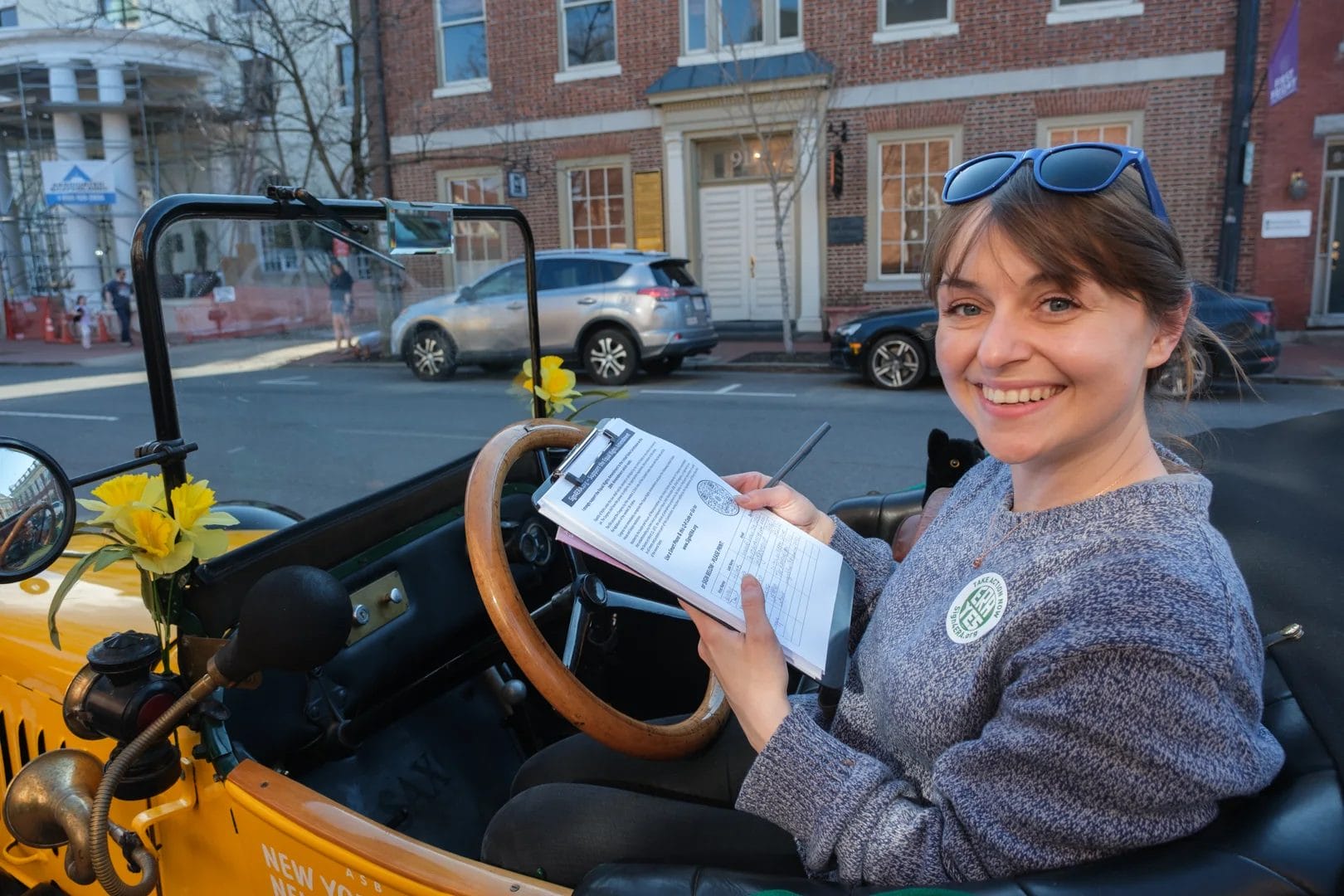

Highlights from the Golden Flyer II tour as activists retrace the spirit of the suffrage movement to press for recognition of the Equal Rights Amendment.
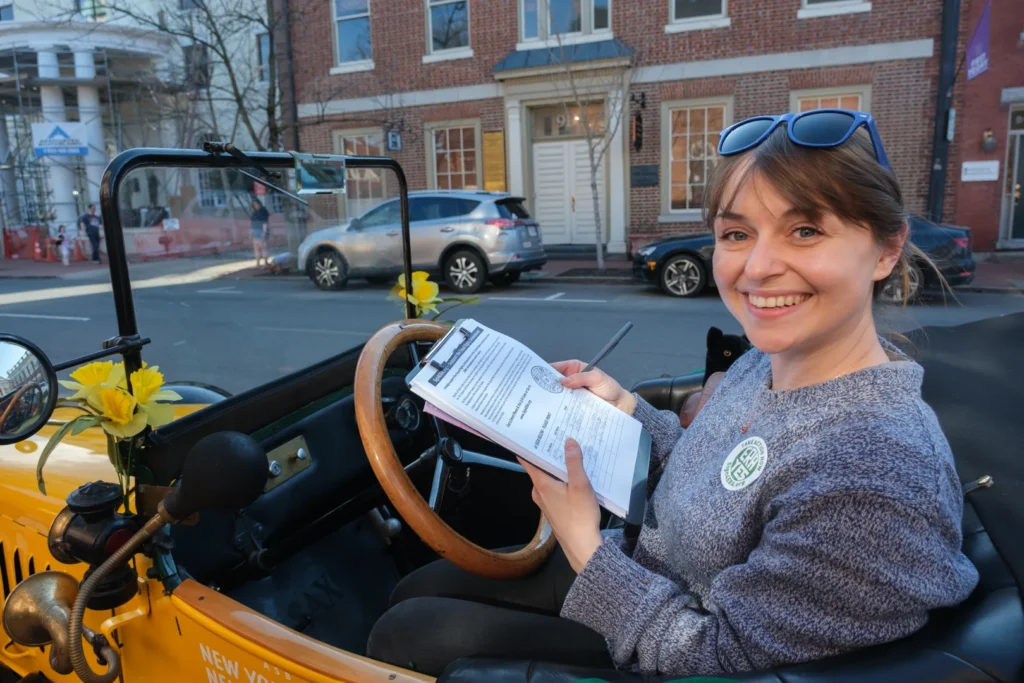
Inspired by the 1916 suffrage road trip that helped win women the vote, activists behind Driving the Vote for Equality are traveling across the country in the restored Golden Flyer II to build support for recognizing the Equal Rights Amendment as the 28th Amendment.
Each week, Ms. will share highlights from the road.
During its first week on the road, the Golden Flyer II carried the push for the ERA through the Mid-Atlantic. In New York, New Jersey, Washington, D.C., and Virginia, ERA advocates connected historic sites of feminist resistance with renewed calls for constitutional equality.
March 2: New York City
The Golden Flyer II Rolls Out
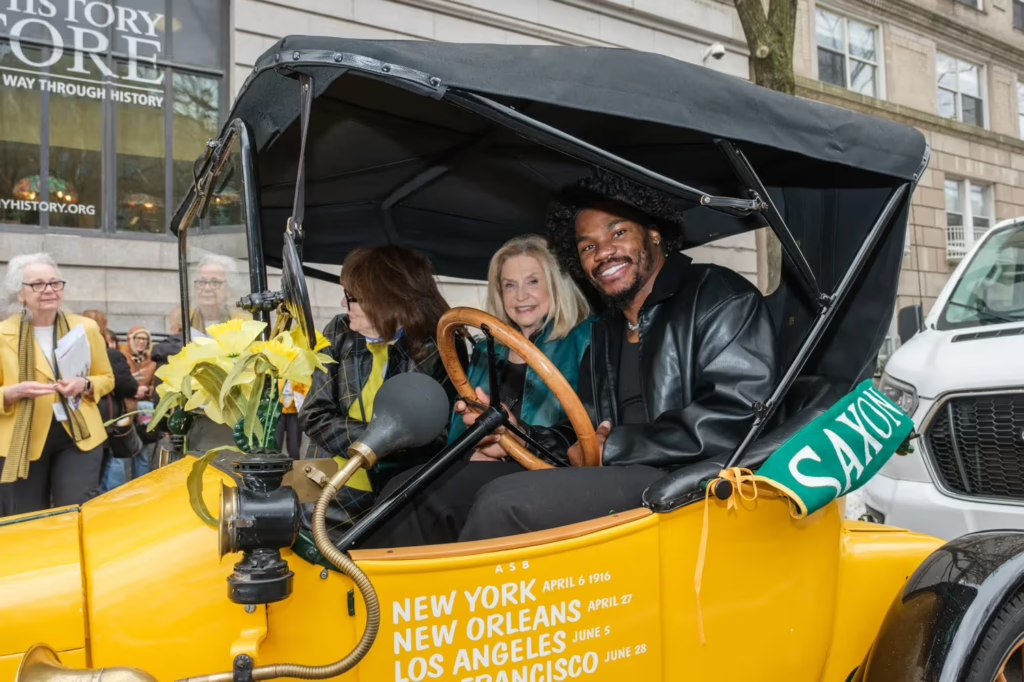
The first day of Women’s History Month dawned cold over New York City, but the crowd gathered outside the New York Historical Society felt anything but. History, it turns out, is a powerful warming agent.
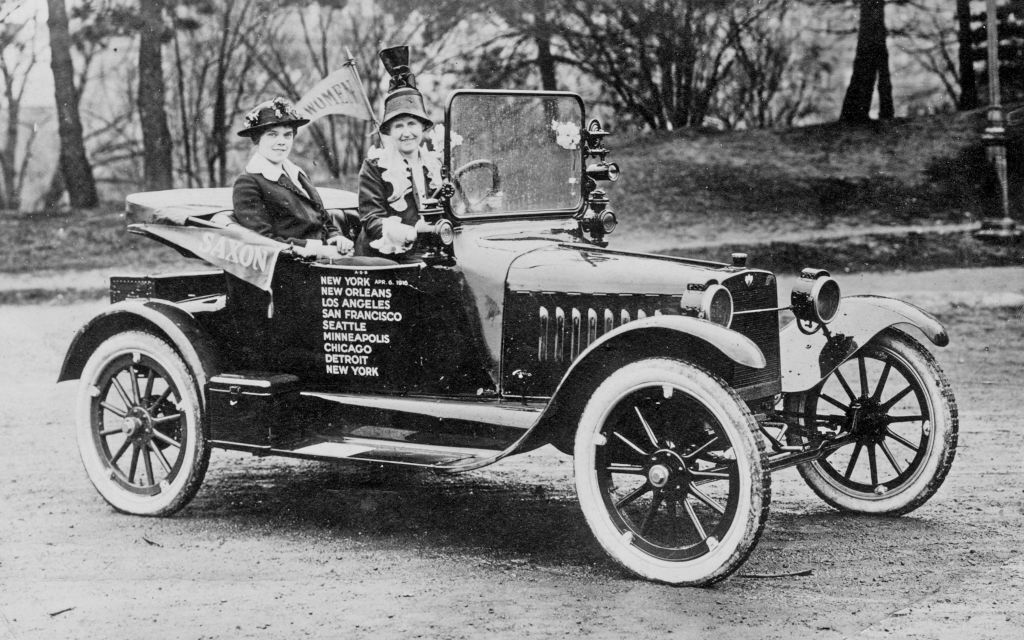
One hundred and ten years ago, suffragists Alice Burke and Nell Richardson set out from these same streets in a small Saxon roadster, driving 10,700 miles across America to demand women’s right to vote.
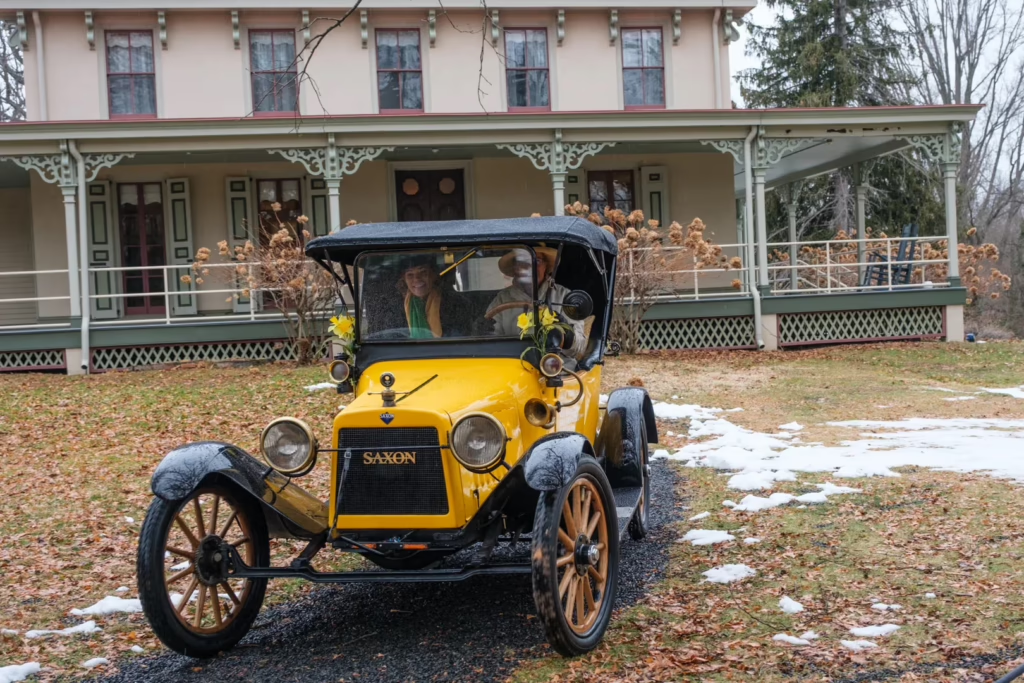
On March 2, the Golden Flyer II—a meticulously restored 1916 Saxon—rolled out again, launching a 25-state drive to secure congressional recognition of the ERA as the 28th Amendment.
Former U.S. Rep. Carolyn Maloney, founder of Sign4ERA.org, took the wheel, declaring: “We are where the suffragists were in 1916. The ERA is stalled, and we have to raise awareness.”
She is aiming to collect one million signatures by Election Day in November.
March 3: Trenton, N.J.
Where the Safety Net Ends
In 1916, Trenton was the first scheduled stop on Burke and Richardson’s epic 10,700-mile journey—just 67 miles from where they’d started in New York City, but a world away in terms of what it meant.
Up to Trenton, the two suffragists had been escorted by representatives of the Saxon automobile dealership. When they rolled out of Trenton the following morning, they were on their own. No escort. No safety net. Just the Golden Flyer, the open road, and a cause that couldn’t wait.
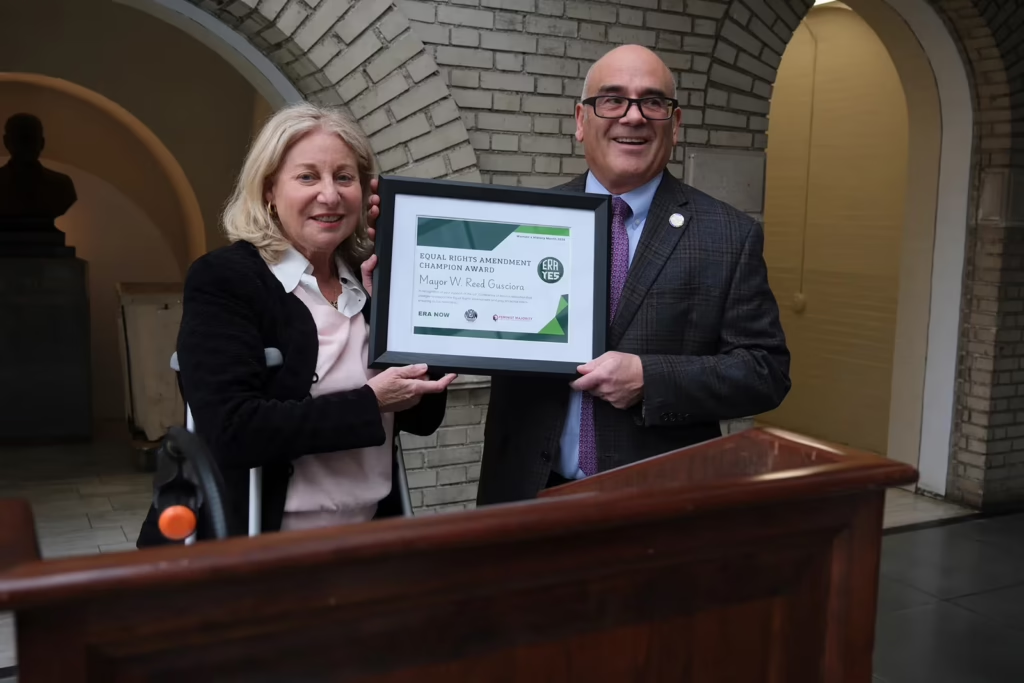
One hundred and ten years later, the Golden Flyer II rolled into Trenton with its own milestone to make. Mayor Reed Gusciora accepted an ERA Champions Award and signed the Sign4ERA.org petition urging Congress to affirm the ERA as the 28th Amendment—before becoming the first mayor in America to take the Golden Flyer II for a spin.
March 4: Mount Laurel, N.J.
Alice Paul’s House
Some places don’t just hold history. They make it feel unfinished — in the best possible way.
On the morning of March 3, the Golden Flyer II rolled up a quiet road in Mount Laurel, N.J., and parked in front of a pale stucco Victorian farmhouse that hasn’t changed much since a Quaker family named Paul bought it in 1883. This is Paulsdale—the place where Alice Paul grew up, where she first learned about justice at her mother’s side, and where the work she started is still being carried forward.
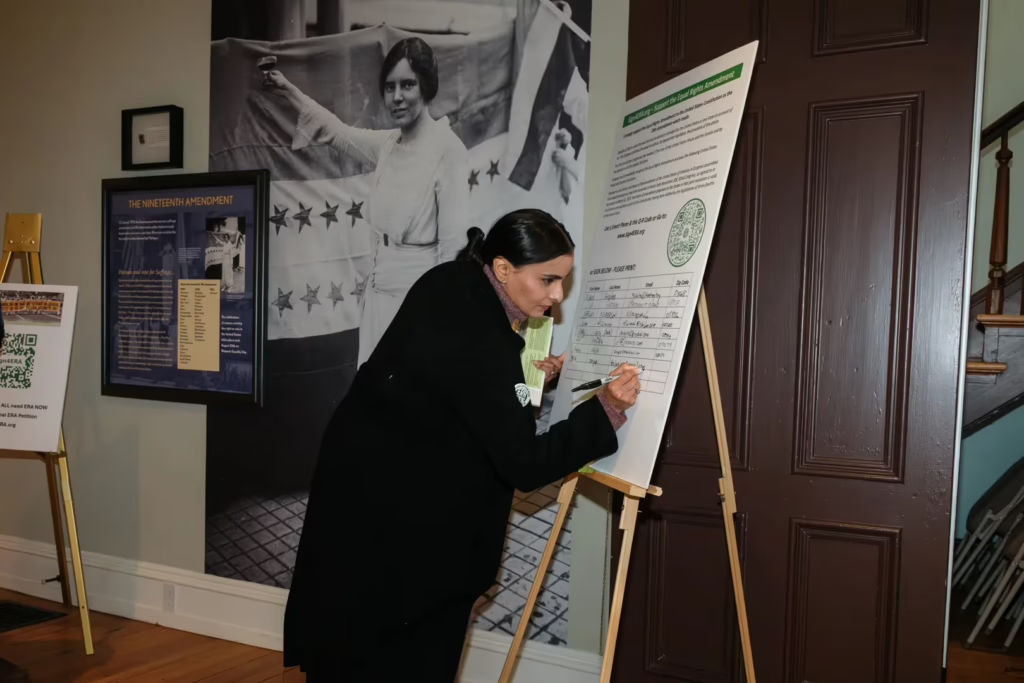
Today Paulsdale is home to the Alice Paul Institute for Gender Justice, led by executive director Rachael Glashan Rupisan. The Institute has transformed the farmstead into what it calls a “base camp for ongoing work”—with leadership programs for girls, school field trips and community conversations about civic engagement and equality.
Alice Paul drafted the original ERA in 1923. One hundred years later, the ERA has been ratified by the required 38 states—and Congress has still not affirmed it as the 28th Amendment.
At Paulsdale, local officials and ERA supporters gathered to sign the Sign4ERA petition, including Mount Laurel Mayor Stephen Steglik and former mayor and councilwoman Fozia Janjua. The Golden Flyer II gleamed in suffrage yellow out front, as supporters posed for photos beneath Alice Paul’s portrait—a century of suffrage history in a single frame.
Before the tour moved on, someone leaned over and said, “Alice would have loved this car.”
It was hard to disagree.
Wilmington, Del.
The City That Never Forgot
On April 7, 1916, Burke and Richardson arrived in Wilmington in their little roadster, causing quite a stir. Delegations from two local suffrage associations met them at 29th and Market Streets, and seven decorated automobiles escorted them into the city, ending at City Hall Plaza where the women made the case for votes for women under the open sky. The next morning they drove straight into a blinding blizzard—five inches of snow—and pushed on toward Baltimore.
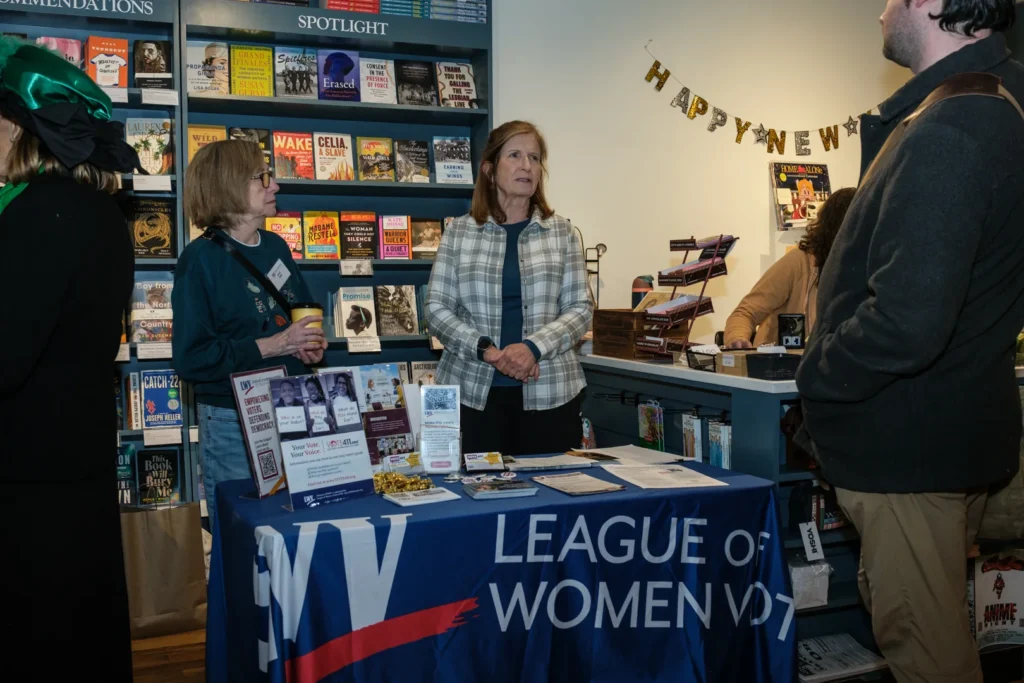
One hundred and ten years later, the Golden Flyer II stopped in Wilmington at Huxley & Hiro Booksellers, where activists, historians and local League of Women Voters leaders gathered to discuss the intertwined histories of suffrage organizing and today’s push to secure recognition of the ERA.
Annapolis, Md.
Rain, History, and an Army for Suffrage and the ERA
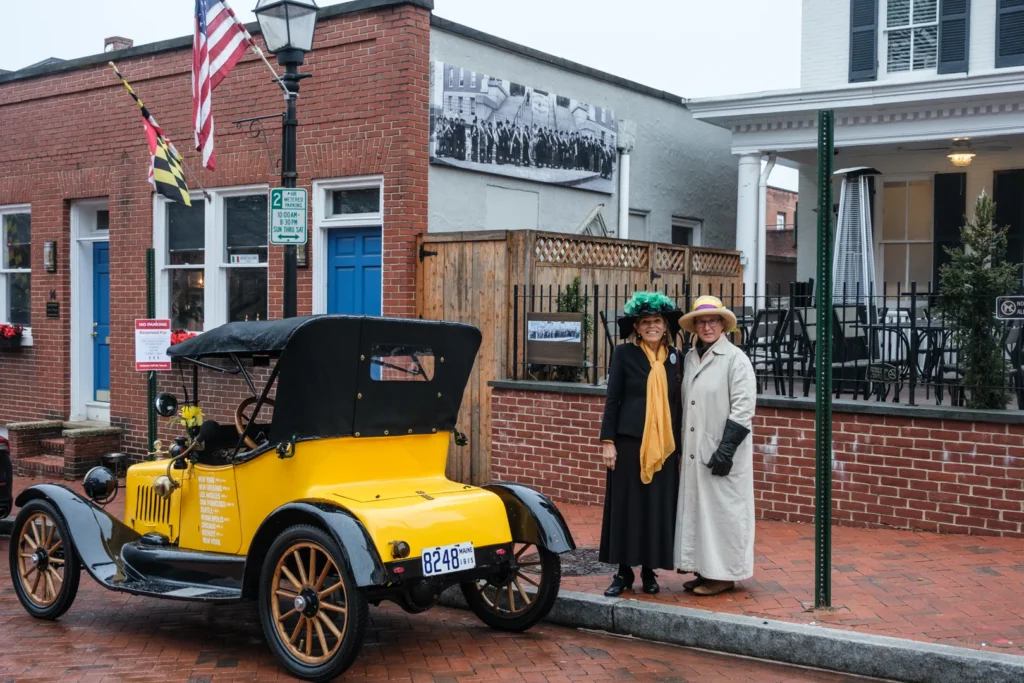
They said the weather wouldn’t cooperate. Rain pelted the brick plaza outside the Annapolis Market House all morning—the kind of cold, gray March day that makes even the most dedicated activist consider staying home. The Golden Flyer II didn’t get the memo. Neither did Annapolis.
By the time the little yellow roadster rolled onto the glistening cobblestones of the city’s historic waterfront district, a crowd had already gathered—umbrellas, scarves and ERA YES buttons. The Golden Flyer II, a restored Saxon roadster like the one that carried suffragists Alice Burke and Nell Richardson on their legendary 10,700-mile cross-country campaign in 1916, had arrived in Maryland’s capital. And Annapolis, rain and all, was ready.
Before the speeches and petition signing, Bob Harrison—owner of the Market Street Bar & Grill at the Annapolis Market House—made a quietly extraordinary gesture: announcing that his restaurant would donate 10 percent of the day’s proceeds to the ERA cause. A local business owner, in the middle of Women’s History Month, opening his doors and his register in the most tangible way possible.
Before the official program began, Camille Fabiyi of the Maryland Commission for Women climbed into the driver’s seat of the Golden Flyer II. Later, she addressed the gathering crowd about recent ERA mobilization efforts in Maryland—a state that has stood firmly in the amendment’s corner and whose leaders continue to push for federal recognition of an amendment already ratified by 38 states.
Mayor Jared Littmann also stepped forward to lend his support. Speaking about the value of women in government and the generations who fought for their rights, he signed the ERA petition and was presented with an award from AAUW Maryland honoring his leadership in advancing the U.S. Conference of Mayors’ resolution supporting the ERA.
After the Market House event, the Golden Flyer II made its way to State Circle, where a plaque commemorates the “Army of the Severn”—members of the Just Government League who marched from Baltimore to Annapolis in 1914 to demand the right to vote. Their petition was rejected at the time, but their organizing helped propel the suffrage movement forward.
Standing there, the parallels were clear. Thirty-eight states have ratified the ERA. Congress has the authority to recognize it as the 28th Amendment—and activists say the time has come to act.
The Golden Flyer II rolls on.
Washington, D.C.
Capitol Hill, Labor Leaders and the Golden Flyer II
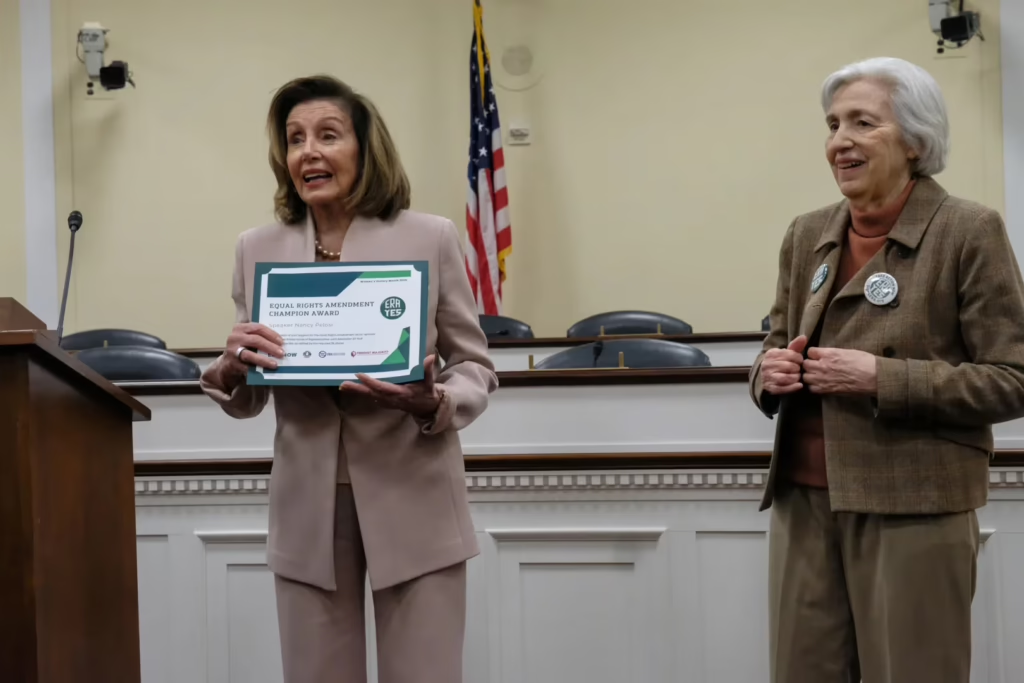
On Day 5 of the Driving the Vote for Equality tour, the team split into two crews—and both made history in their own way.
One group headed to Room 2247 of the Rayburn House Office Building for an ERA reception that drew members of Congress, ERA and NOW leaders, interns and longtime advocates. Hosted by ERA NOW, the Feminist Majority and NOW, and facilitated by the ERA Coalition, the event honored members of Congress who co-sponsored the joint Resolution to affirm the ERA as the 28th Amendment.
Representative Ed Crane of Hawaii proudly noted that Hawaii was the first state to ratify the ERA. He was followed by Representative Don Beyer of Virginia, who noted that Virginia was the last. First and last, standing in the same room, on the same side—that’s a movement.
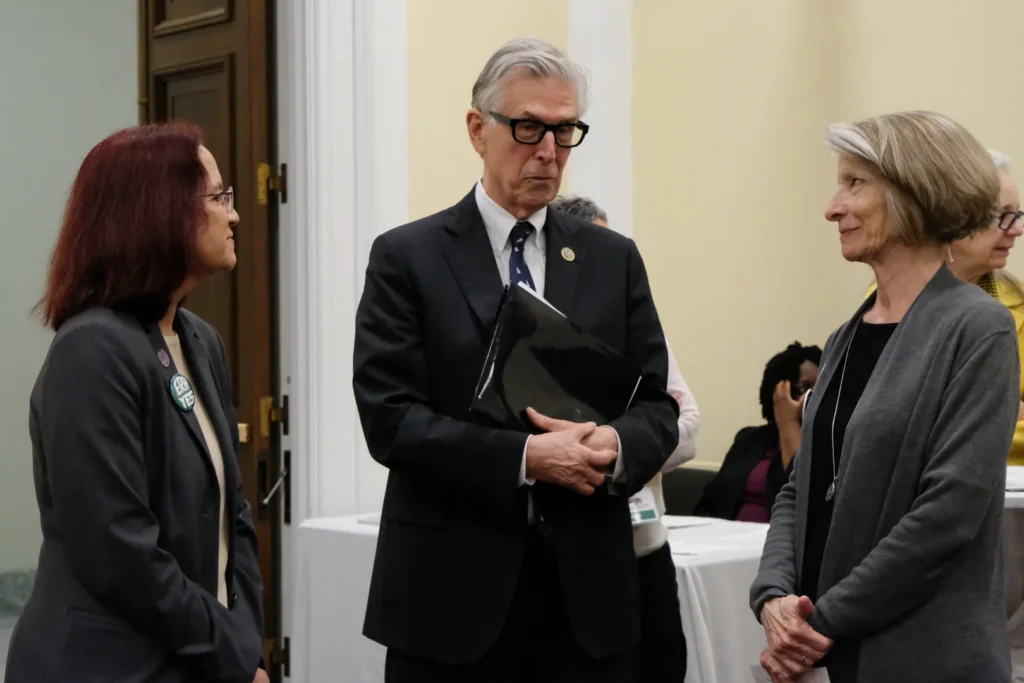
Rep. James Clyburn delivered one of the most memorable moments of the reception, speaking about the women in his life—his mother, wife and daughters—and the indispensable role they have played in every decision he has made.
Rep. Ayanna Pressley, chief co-sponsor of the joint resolution, urged her colleagues to take to the House floor to speak publicly about the importance of the ERA.
When former Speaker Nancy Pelosi arrived, the room changed. Conversations quieted as she praised longtime ERA champions Ellie Smeal and former Rep. Carolyn Maloney, whose Driving the Vote for Equality tour is carrying the campaign across 25 states.
Meanwhile, the Golden Flyer II faced its own challenge in Falls Church, Va. The car developed a mechanical issue that required pulling the engine and radiator entirely. Mechanics and volunteers worked for more than five hours to repair the clutch housing and reassemble the car so the tour could continue.
Day 6 in Washington shifted the focus to the labor movement and grassroots organizing.
The Golden Flyer II arrived outside AFL-CIO headquarters for a Women’s History Month panel bringing together leaders from the labor and women’s rights movements to discuss fair pay, workplace equality and the role the ERA could play in strengthening those protections.
From there, the team moved to the Woman’s National Democratic Club for a luncheon with longtime ERA activists before ending the day at Politics and Prose bookstore at the Wharf. Inside, author Jeryl Schriever shared the story of the 1916 suffrage road trip that inspired the campaign.
Outside, the Golden Flyer II continued to draw curious onlookers. Four National Guardsmen walking past the car stopped to ask questions — and all four signed the ERA petition.
In Washington, over two days of meetings, speeches and conversations, the message was clear: The ERA has met every constitutional requirement to become the 28th Amendment. Advocates say the next step is for Congress to act.
March 7: Lorton and Fredericksburg, Va.
Sacred Ground and New Energy for the ERA
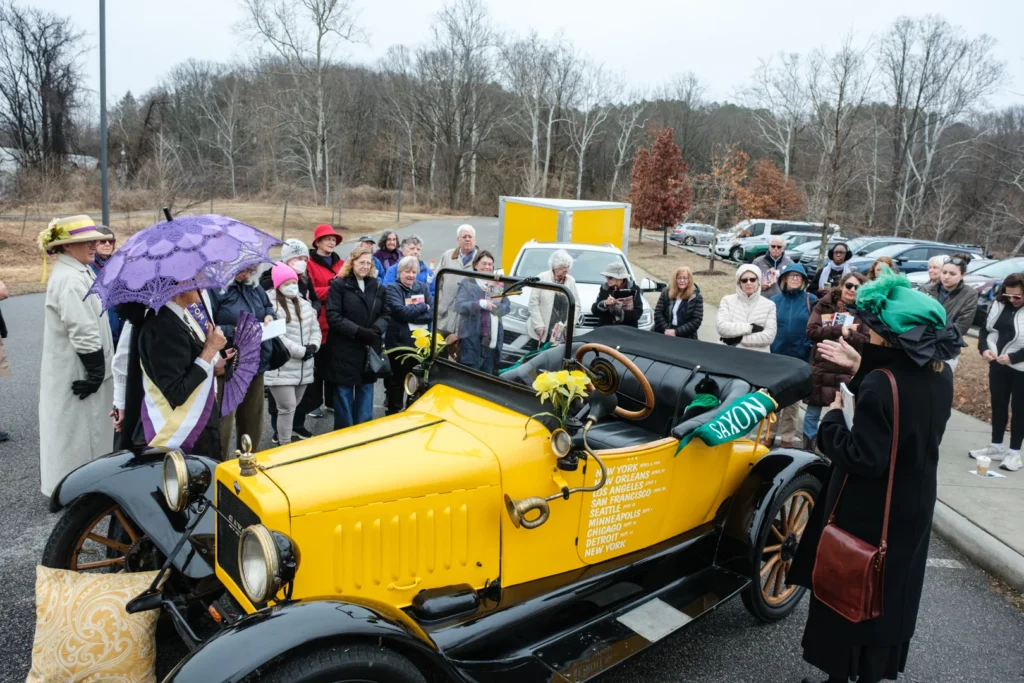
There are stops on this journey that are about energy and momentum—crowds, signatures, selfies, the Golden Flyer II drawing people in off the street. And then there are stops that ask something different of you. That ask you to be still for a moment and understand what happened on the ground beneath your feet.
Lorton, Va., was that kind of stop.
The Turning Point Suffragist Memorial sits on the grounds of the old Occoquan Workhouse.
In 1917, suffragists—women ranging in age from 19 to 73—were arrested for standing silently outside the White House holding banners that asked for democracy. They were brought here to Occoquan, where they were humiliated, denied contact with family and lawyers, thrown into solitary confinement and in many cases severely beaten.
On Nov. 14, 1917—the “Night of Terror”—guards escalated the brutality. Women were stripped, beaten and handcuffed with their arms raised over their heads. When accounts of the abuse reached the press, public opinion began to shift. The cruelty meant to silence them became the turning point the memorial is named for.
The Golden Flyer II pulled into that historic ground on March 7, where visitors gathered among the memorial’s pillars and plaques honoring the women who fought for the vote. Jeryl Schriever spoke about the 1916 suffrage road trip that inspired the campaign and about the ERA’s long journey toward constitutional recognition. Many attendees left carrying petitions—not just signed, but committed to collecting signatures in their own communities.
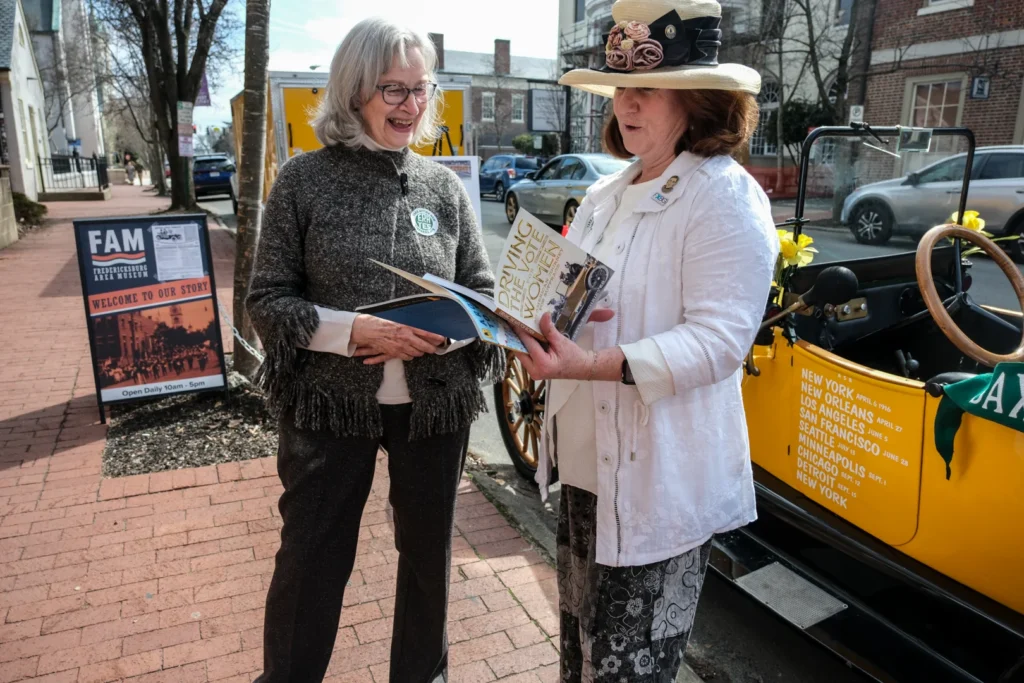
From Lorton, the tour continued south to Fredericksburg, where the weather shifted and the sun finally came out. At the Fredericksburg Area Museum, Mayor Kerry Devine signed the ERA petition and stayed to talk with supporters about how local leaders can help push the joint resolution forward in Congress.
Teenagers walking through town stopped to see the Golden Flyer II, climbed in for photos and left committed to sharing the Sign4ERA petition with their friends online.
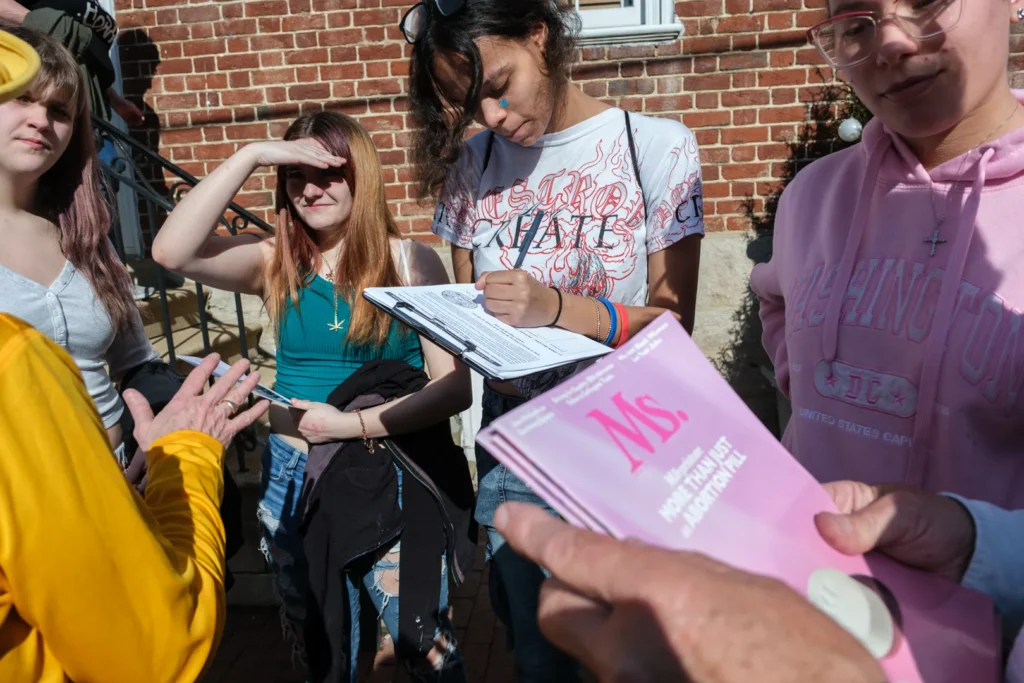
In 1916, Alice and Nell stood on the seats of their car to give speeches. In 2026, a group of teenagers with smartphones can spread the message even faster.
By the time the Golden Flyer II rolled out of Fredericksburg, the petitions were fuller—and the road to the next stop was waiting.
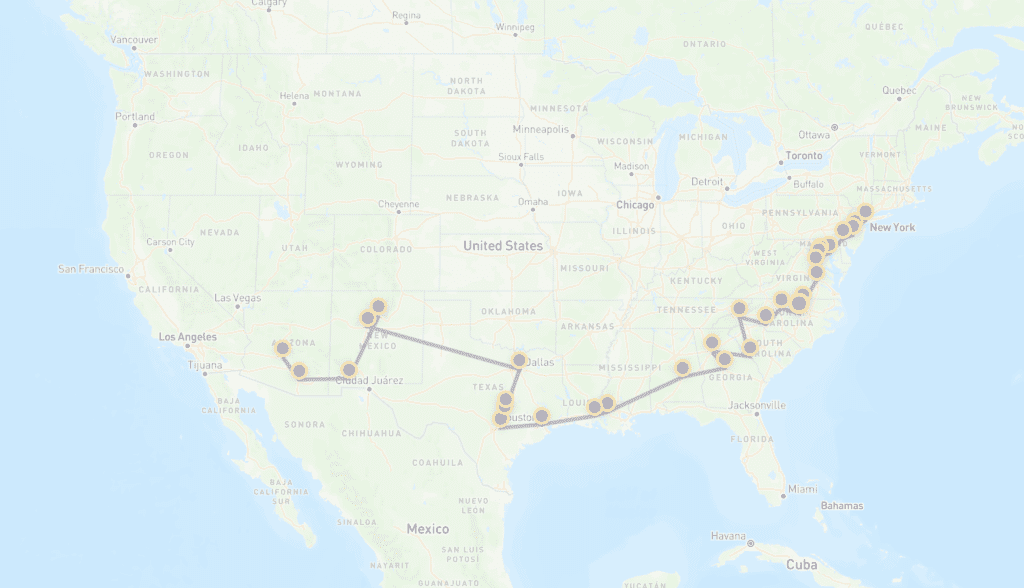
Follow the journey of the Golden Flyer II as it travels across 25 states to build support for recognizing the ERA as the 28th Amendment. Full daily dispatches are available at DrivingTheVote.org.
