

Classical References Of Genus Citrus – Bhavprakash Nighantu Amradi Phala Varga & Raj Nighantu Amradi Phala Varga
Abstract
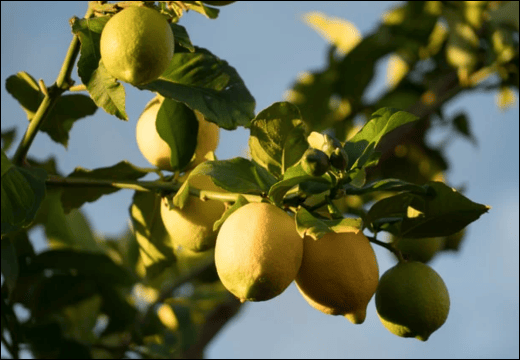
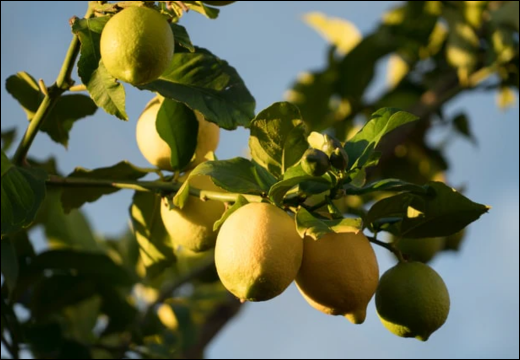
Lemon is a small evergreen tree known for its bright yellow fruits, refreshing aroma, and tangy taste. It is one of the most widely used fruits across the world, valued for both culinary and medicinal purposes. Lemon holds a significant place in Ayurveda due to its wide-ranging applications. It is not only used as a flavouring agent in food but also plays a crucial role in medicinal preparations. In Ayurvedic medicine, lemon is highly valued for its therapeutic properties, particularly in the management of digestive disorders such as indigestion, bloating, and loss of appetite and it is rich in Vitamin C. Beyond its dietary and medicinal uses, lemon is also employed in traditional purification processes of metals and minerals, which are commonly used as ingredients in Ayurvedic formulations. Its natural acidity and cleansing properties make it an essential component in enhancing both the efficacy and safety of these herbal and mineral preparations. Lemon belongs to the family Rutaceae and is a small evergreen tree cultivated in tropical and subtropical regions. It is extensively used in culinary, cosmetic, and medicinal applications. In Ayurvedic texts, a wide variety of lemons are mentioned. Lemon juice, obtained from Citrus limon, is traditionally used as a binding and processing agent (Bhavana / Sandhana dravya) in Rasashastra and Ayurvedic pharmaceutics. All these varieties share a common genus but different species. All varieties of Lemon contain a sour taste, and due to this property, they are beneficial for the heart. Here are various varieties of Lemon:
1. Citrus Medica Linn. / Citrus Aurantifolia (Christm.) Swingle
Scientific Classification Of Citrus Medica Linn. / Citrus Aurantifolia
- Kingdom: Plantae
- Subkingdom: Tracheobionta
- Superdivision: Spermatophyta
- Division: Magnoliophyta
- Class: Magnoliopsida
- Order: Sapindales
- Family: Rutaceae
- Genus: Citrus
- Species: C. medica, aurantifolia
Synonyms Of Citrus Medica Linn. / Citrus Aurantifolia
- Maatulunga
- Lunga
- Maatulaka
- Mahaalunga
- Bijpuura
- Bijaahva
- Ruchaka
- Phalapooraka
Vernacular Names Of Citrus Medica Linn. / Citrus Aurantifolia
- English: Citron
- Hindi: Baranimbu, Bijaura
- Kannada: Madala, Mahaphala
- Malayalam: Ganapatinarakam
- Sanskrit: Matulunga
- Tamil: Kadaranarattai, Naarthankai, Thurinjippazham
- Telugu: Madiaphalamu
- Unani: Turanj
- Folk: Bijoraa
Habitat And Morphology Of Citrus Medica Linn. / Citrus Aurantifolia
The trees of this species are small, about 3 meters tall, and are usually cultivated in gardens. It is also found growing wild in regions like Chittagong, Sitakund, the Khasi and Garo Hills, and along the banks of the Sarju River in Kumaon. The branches are thick, short, thorny, and spread irregularly. The leaves resemble those of the lemon but are broader and longer. The petiole (leaf stalk) in this species is usually winged, but in this plant, it is either unwinged or has small, marginal wings and is comparatively short. The flowers are white. The fruit is large, oblong, and somewhat pointed, measuring about 10–15 cm in diameter. Its rind is thick, rough, and uneven, turning yellow upon ripening. The pulp is light, spongy, slightly acidic or sweetish, but mostly tasteless.
Varieties Of Citrus Medica Linn. / Citrus Aurantifolia
There are mainly two types of this fruit — sweet and sour, and several sub-varieties are also found:
- Chhangura – Small fruits, almost without pulp.
- Turanj – Large fruits, sour pulp but sweet rind.
- Bajoura – Small, sour, juicy fruits with a thin rind.
- A special variety found in northwestern India bears fruits shaped like a hand with folded fingers, resembling a palm (known as “Buddha’s Hand Citron”).
Classical Categorisation Of Citrus Medica Linn. / Citrus Aurantifolia
- According to Charaka: Phala Varga, Amla Varga
- According to Sushruta: Phala Varga
- According to Vagbhata: Phala Varga
- According to Bhavprakash Nighantu: Amradi Phala Varga
- According to Raj Nighantu: Amradi Varga
Ancient Verses Of Citrus Medica Linn. / Citrus Aurantifolia
बीजपूरफलं स्वादु रसेऽप्लं दीपनं लघु ॥
रक्तपित्तहरं कण्ठजिह्वाहृदयशोधनम्।
श्वासकासारुचिहरे इद्यं तृष्णाहरं स्मृतम् ॥
(Bhavprakash Nighantu Amradiphala varga 130-131)
According to the above shloka, the fruits of this variety have a sweet and sour taste, are light in nature, and they enhance digestive fire. It is effective for the heart and is helpful in the management of bleeding disorders, asthma, cough, anorexia and excess thirst. It helps in the purification of the tongue, throat and heart.
Ayurvedic Properties Of Citrus Medica Linn. / Citrus Aurantifolia
- Taste (Rasa): Sweet (Madhur), Sour (Amla)
- Physical Property (Guna): Light (Laghu)
- Potency (Veerya): Hot Potency (Usna)
- Post-digestion Effect (Vipaka): Sour (Amla)
- Effect On Tridosha: Balance Vata and Kapha dosha
Therapeutic Properties Of Citrus Medica Linn. / Citrus Aurantifolia
- Amla – Sour
- Deepana – Digestive stimulant
- Hridya – Cardiac tonic
- Vamanarodhak – Antiemetic
- Aruchinashak – Appetiser
- Shonitasthapan – Hemostatic / Blood purifier
- Grahi – Astringent (Its peel)
- Paushtik – Nutritive (Its peel)
- Svapnajanak – Sleep-inducing (Flowers)
- Krumighna – Anthelmintic (Root)
- Jvaraghna – Antipyretic (Leaves decoction)
- Ashmarighna – Useful in urinary stones (Root)
Chemical Composition Of Citrus Medica Linn. / Citrus Aurantifolia
Essential Oils: Limonene, Citral, Isolimonene, β-Myrcene, Neryl acetate, Citronellal, Linalool
Flavonoids: Hesperidin, Naringin, Apigenin, Diosmetin, Quercetin
Coumarins: Bergapten, Scoparone, Citropten, Umbelliferone
Phenolic Acids: p-Coumaric acid, Ferulic acid, Chlorogenic acid
Other Compounds: Carbohydrates, Pectin, Alkaloids, Steroids, Phenols, Sugars, Citric acid
Systemic Actions Of Citrus Medica Linn. / Citrus Aurantifolia
Internal Uses
- Digestive System: Helps in the management of low digestive fire, worm infestation, excessive thirst, anorexia, etc.
- Circulatory System: Helps in bleeding disorders and heart problems.
- Respiratory System: Effective in asthma and cough.
- Temperature: Hot infusion is beneficial in fever.
2. Citrus Decumana Watt. / Citrus Maxima (Burm.) Merril
Scientific Classification Of Citrus Decumana Watt. / Citrus Maxima
- Kingdom: Plantae
- Phylum: Tracheophyta
- Class: Magnoliopsida
- Order: Sapindales
- Family: Rutaceae
- Genus: Citrus
- Species: Citrus maxima, Citrus decumana
Synonyms Of Citrus Decumana Watt. / Citrus Maxima
Vernacular Names Of Citrus Decumana Watt. / Citrus Maxima
- Sanskrit: Madhukarkati
- English: Shaddook, Pummelo, Pomelo, Chinese grapefruit
- Hindi: Chakothra, Mahanimbu, Batawinimbu, Chakotara, Paparmas
- Tamil: Pambalemasu, Metukku, Pampalimacu, Pommacu
- Marathi: Popanas, Bampara, Cakotra, Papannasa
- Gujarati: Obakothala, Papanas
- Telugu: Pamparamnasa
- Kannada: Sakothre, Sakotta, Cakota hannu
- Assamese: Robab tenga
- Konkani: Toranda, Toranji
- Malayalam: Kampilinaranna
- Manipuri: Nobab
- Oriya: Batapi
- French: Pamplemmousse
- German: Pomelo
- Japanese: Zabon
Habitat And Morphology Of Citrus Decumana Watt./ Citrus Maxima
It is usually planted in gardens and orchards. The tree is small, about 4.5 meters tall, and remains evergreen throughout the year. The leaves are dark green and larger than those of the citron. The petiole (leaf stalk) is broad and winged. The flowers are white in colour. The fruits are large, round, measuring about 15–20 cm in diameter, and turning a pale yellow upon ripening. The pulp is light pink or white and sweet in taste. Compared to Grapefruit (C. paradisi Macf.), the fruits of Citrus maxima are larger, have a thick and firm rind, solid pulp, and grow individually on the tree rather than in clusters.
Varieties Of Citrus Decumana Watt./ Citrus Maxima
There are seeded, seedless, small, and large varieties. The Bombay variety (thin-skinned Pomelo) is considered the best.
Classical Categorisation Of Citrus Decumana Watt./ Citrus Maxima
- According to Charaka: Phala Varga, Amla Varga
- According to Sushruta: Phala Varga
- According to Vagbhata: Phala Varga
- According to Bhavprakash Nighantu: Amradi Phala Varga
- According to Raj Nighantu: Amradi Varga
Ancient Verse Of Citrus Decumana Watt./ Citrus Maxima
बीजपूरोऽपरः प्रोक्तो मधुरो मधुकर्कटी ॥
मधुकर्कटिका स्वाद्वी रोचनी शीतला गुरुः ।
रक्तपित्तक्षयश्वासकासहिक्काभ्रमापहा ॥
(Bhavprakash Nighantu Amradiphala varga 132-133)
According to the above shloka, this variety of lemon has the name Madhura and Madhura Karkatika. Madhura Karkatika has a sweet taste, cold potency, heavy in nature and improves digestion. It is effective in bleeding disorders, tuberculosis, asthma, cough, hiccups and vertigo.
Ayurvedic Properties Of Citrus Decumana Watt./ Citrus Maxima
- Taste (Rasa)- Sweet (Madhur)
- Physical property (Guna) – Heavy (Guru)
- Potency (Veerya )- Cold Potency (Sheet)
- Effect of Tridosha- Balances all three doshas
Therapeutic Properties Of Citrus Decumana Watt./ Citrus Maxima
- Digestive
- Haemostatic (controls bleeding)
- Antitubercular
- Antiasthmatic
- Antitussive (for cough)
- Antihiccup
- Antivertigo
- Cardiotonic
- Thirst-relieving
- Antiepileptic
- Aphrodisiac
- Appetiser
- Antitremor
- Antispasmodic (for cough)
Chemical Composition Of Citrus Decumana Watt./ Citrus Maxima
Major Constituents
- Flavonoids: Naringin, Hesperidin, Neohesperidin, Rutin
- Alkaloids: Synephrine, Octopamine
- Tannins
- Saponins
- Pectins
- Glycosides
- Terpenes: Limonene, Citral, Linalool
- Coumarins: Bergapten, Aurapten
- Sterols: β-sitosterol, Stigmasterol
Nutritional Components
- Vitamin C (Ascorbic acid) – powerful antioxidant
- Vitamin B1, B2, B3 – supports metabolism
- Minerals: Calcium, Phosphorus, Potassium, Iron
- Organic acids: Citric acid, Malic acid, Ascorbic acid
- Sugars: Sucrose, Fructose, Glucose
Essential Oils (From Peel)
- Limonene – major component
- β-Pinene
- Myrcene
- Linalool
- Citronellal
- Neryl acetate
- Geraniol
Systemic Actions Of Citrus Decumana Watt./ Citrus Maxima
Internal Uses
- Digestive System: It is an appetiser and digestive in nature, so it is effective in low digestive fire. It is also beneficial in the management of excessive thirst.
- Circulatory System: It is effective for heart and bleeding disorders.
- Respiratory System: This variety is beneficial in the management of tuberculosis, asthma, cough and hiccup.
3. Citrus Limon (Linn.) Burm. f.
Scientific Classification Of Citrus Limon (Linn.)
- Kingdom – Plantae
- Division – Magnolophyta
- Class – Magnoliopsida
- Order – Spanidales
- Family – Rutaceae
- Genus – Citrus
- Species – Limon
Synonyms Of Citrus Limon (Linn.)
- Jambira
- Dantshath
- Jambh
- Jambhira
- Jambhal
- Rochanaka
- Mukhshodhi
- Jantujit
- Jadyari
Vernacular Name Of Citrus Limon (Linn.)
- Latin Name: Citrus limon
- Common Name: Lemon
- Sanskrit Name: Nimbuka, Nimbu
- Hindi Name: Nimbu, Nilbu, Kagaji, Nibu
- Bengali Name: Kagazi lebu, Padinabu
- Gujarati Name: Goddiya
- Kannada Name: Nimbe hannu
- Malayalam Name: Erumichairakam
- Tamil Name: Elumichai
- Telugu Name: Nimma pandu
- Marathi Name: Limbu, Kagaji Limbu
- Arabic Name: Limu
- Parsi Name: Limu, Lumu E kagaji
Habitat And Morphology Of Citrus limon (Linn.)
In regions like Uttar Pradesh, Mysore, Madras, and Bombay, this plant is often grown in household gardens. The tree is small, bushy, about 3–4 meters tall, and covered with thorns. Its petioles are usually wingless or have very small wings. The flowers appear singly or sometimes in pairs, about 3–5 cm across. The fruit is oval to oblong, slightly protruding, and bright yellow in colour with a thick rind. The inner pulp is light yellow and has a distinctly sour taste. A well-known local variety called Galgul grows near Pathankot, while some foreign seedless types are also found.
Classical Categorisation Of Citrus limon (Linn.)
- According to Charaka: Phala Varga, Amla Varga
- According to Sushruta: Phala Varga
- According to Vagbhata: Phala Varga
- According to Bhavprakash Nighantu: Amradi Phala Varga
- According to Raj Nighantu: Amradi Varga
Ancient Verse Of Citrus limon (Linn.)
जम्बीरमुष्णं गुर्वम्लं वातश्लेष्मविवन्धनुत्॥
शूलकासकफोत्क्लेशच्छर्दितृष्णाऽऽमदोषजित् ।
आस्यवैरस्यहृत्पीडावद्धिमान्यक्रिमीन् हरेत्॥
स्वल्पजम्बीरिका तद्वत्तृष्णाच्छर्दिनिवारिणी ॥
(Bhavprakash Nighantu Amradi Phala varga 134-135)
According to the above Shloka, Jambira has hot potency, is heavy in nature and contains a sour taste. It is useful in relieving Vata-Kapha-related constipation, abdominal pain, cough, and Kapha disorders. It also helps in treating vomiting, excessive thirst, disorders related to Ama (toxins), sourness in the mouth, heart pain, weak digestion (Mandagni), and intestinal worms. The Sanskrit name of small lime is Svalpajamborika. Although its properties are similar to common lime, it is particularly effective in reducing thirst and curing vomiting.
Ayurvedic Properties Of Citrus limon (Linn.)
- Taste (Rasa) – Sour (Amla), Sweet (Madhur)
- Physical Property (Guna) – Heavy (Guru)
- Potency (Veerya) – Hot Potency (Usna)
- Effect On Tridosha – Balance Vata and Kapha dosha
Therapeutic Properties Of Citrus limon (Linn.)
- Constipation
- Abdominal pain
- Cough
- Kapha disorders
- Vomiting
- Thirst
- Sourness
- Heart pain
- Weak digestion
- Worms
Chemical Composition Of Citrus limon (Linn.)
1. Essential Oil
- Limonene: Most abundant compound
- Monoterpenes: β-pinene, γ-terpinene, sabinene
- Oxygenated Monoterpenoids: Citral (neral + geranial), citronellal, linalool
2. Other Components
- Citric Acid
- Minerals: Ca, Mg, P, K, Na
- Fatty Acids (in seed oil): Arachidonic acid, behenic acid, linoleic acid
- Bioactive Compounds: Flavonoids, terpenes, limonoids
Systemic Actions Of Citrus limon (Linn.)
Internal Uses
- Digestive System: It is effective in the management of constipation and abdominal pain. It also helps in treating vomiting, excessive thirst, disorders related to Ama (toxins), sourness in the mouth, weak digestion (Mandagni), and intestinal worms.
- Circulatory System: It is beneficial in the management of heart pain and other disorders related to the heart.
4. Citrus Limettioides Tanaka
Scientific Classification Of Citrus Limettioides
- Domain: Eukarya
- Kingdom: Plantae
- Phylum: Magnoliophyta
- Class: Magnoliopsida
- Order: Sapindales
- Family: Rutaceae
- Genus: Citrus
- Species: Citrus limettioides
Synonyms Of Citrus Limettioides
- Mishtanimbu
- Madhujambira
- Madhujambha
- Madhurajambhala
- Sharkarak
- Sankhdravi
- Pittadravi
Vernacular Names Of Citrus Limettioides
- Sanskrit Name: Mista Nimbu Phala
- English Name: Sweet Lime, Sweet Lemon
- Hindi Name: Mita Nimbu, Sharbathi Nimbu, Mousambi, Mosambi
- Bengali Name: Mita Limbu
- Kannada Name: Moosambi
- Marathi Name: Sakar Limbu, Mosumbi
- Konkani Name: Musumbi
- Gujarati Name: Mita Limboo
- Tamil Name: Kolumichangai, Satukudi, Sathukodi
- Telugu Name: Gajanima, Bathayi
- Malayalam Name: Chaathukkodi, Moosambi, Madhura Naranga
- Urdu Name: Mousambi
- Nepali Name: Mausam
- French Name: Bergamot
Habitat And Morphology Of Citrus Limettioides
It is cultivated mainly in the central and northern parts of India. The tree is small and resembles the Kagzi lemon in appearance. The leaves are similar in size to those of the orange but are lighter in colour, with oil glands more prominently visible. The petioles are winged. The flowers are large and white. The fruits are round, about 7.5–12.5 cm in diameter, light yellow or pale in colour, with a thin and smooth rind. The pulp is sweet or mildly flavoured. This variety bears fruit toward the end of the rainy season, when other lemons are generally not available.
Classical Categorisation Of Citrus Limettioides
- According to Charaka: Phala Varga, Amla Varga
- According to Sushruta: Phala Varga
- According to Vagbhata: Phala Varga
- According to Bhavprakash Nighantu: Amradi Phala Varga
- According to Raj Nighantu: Amradi Varga
Ancient Verse Of Citrus Limettioides
मिष्टनिम्बूफलं स्वादु गुरु मारुतपित्तनुत् ॥
गलरोगविषध्वंसिकफोत्क्लेशि च रक्तहत् ।
शोषारुचित्याच्छर्दिहरं बल्यञ्छ श्रृंहणम् ।।
(Bhavprakash Nighantu Amradi Phala varga 139-140)
According to the above Shloka, this variety is also known as Mishtanimbu. It has a sweet taste, heavy in nature, and enhances strength. It increases Kapha-related disorders and is beneficial in relieving Vata and Pitta disorders. It is also useful in treating throat diseases, poisoning, blood disorders, emaciation, loss of appetite, excessive thirst, and vomiting.
Ayurvedic Properties Of Citrus Limettioides
- Taste (Rasa)- Sweet (Madhur)
- Physical property (Guna) – Heavy (Guru)
- Potency (Veerya )- Cold Potency (Sheet)
- Effect on tridosha– Balance Vata and Pitta dosha
Therapeutic Properties Of Citrus Limettioides
- Throat diseases
- Detoxifier
- Blood purifier
- Nourishing
- Appetite stimulant
- Thirst reliever
- Anti-emetic
Chemical Composition Of Citrus Limettioides
Volatile Compounds (Essential Oils)
- Peel oil: Rich in limonene (≈73.2%)
- Leaf oil: Contains limonene (≈32.1%), citronellal (≈21.7%), and linalool (≈15.5%)
- Other compounds: Terpineol, citronellol, linalyl acetate, myrcene
Seed Components
- Limonoids: Contains limonin and obacunone
- Polyphenols: Includes glycosylated limonoids and flavonoids such as vicenin-2 and brutieridin
- Fatty acids: Contains palmitic, stearic, oleic, and linoleic acids
Systemic Actions Of Citrus Limettioides
Internal Uses
- Digestive System- Lemons help in the management of vomiting, excessive thirst and anorexia.
- Circulatory System: It helps in the management of various bleeding disorders.
- Respiratory System: It is beneficial in the management of throat disorders related to Vata and Pitta dosha.
Actions And Properties Of Citrus Decumana, Citrus Limon (Linn.), Citrus Medica, Citrus Limettioides
For Cardiovascular System
Lemons support heart health through a synergistic combination of antioxidants, flavonoids, and essential nutrients. Compounds like hesperidin, eriocitrin, and diosmin strengthen blood vessels, reduce inflammation, and help lower cholesterol and triglycerides, thereby improving vascular function. D-limonene, the main component of lemon peel oil, has anti-inflammatory and lipid-lowering properties that reduce oxidative stress and “bad” LDL cholesterol while boosting “good” HDL cholesterol. Vitamin C further enhances cardiovascular protection by reducing blood pressure and shielding blood vessel walls from oxidative damage. Pectin, a soluble fiber in lemon pulp, helps remove cholesterol from the body and regulate blood sugar, reducing the risk of arterial damage. Additionally, potassium in lemons helps balance sodium levels, supporting healthy blood pressure. Together, these compounds promote overall heart function and help prevent cardiovascular diseases.
For Epilepsy And Parkinson’s Disease
In Citrus decumana (pomelo), the flavonoids naringin, its active metabolite naringenin, and tangeretin play a key role in neurological protection relevant to epilepsy and Parkinson’s disease. These compounds exert strong antioxidant and anti-inflammatory actions, helping to reduce oxidative stress and neuroinflammation that trigger neuronal damage. In epilepsy, they modulate neurotransmitter balance by enhancing inhibitory GABA activity and stabilising dopamine levels, which results in reduced seizure severity and increased seizure latency. They also protect hippocampal neurons by inhibiting apoptosis and excitotoxicity. In Parkinson’s disease, naringin, naringenin, and tangeretin safeguard dopamine-producing neurons from degeneration, improve motor coordination, and suppress inflammatory mediators in the brain. Together, these mechanisms support neuronal survival and functional recovery, contributing to better management of both neurological disorders.
Anthelmintic Activity
Citrus species such as Citrus medica, Citrus limon, and Citrus reticulata help in the management of worm infestation mainly due to the presence of limonene along with flavonoids, tannins, and other terpenoids. Limonene and related essential oil components penetrate and disrupt the muscle membranes of helminths, leading to paralysis and eventual death of the worms. Tannins contribute by interfering with the parasite’s energy metabolism and reducing its ability to absorb nutrients. Flavonoids exhibit antioxidant and mild neurotoxic effects on parasites, further weakening their survival. These compounds also create an unfavourable intestinal environment for worms, limiting their growth and reproduction. Through combined membrane-disrupting, metabolic-inhibiting, and anti-survival actions, Citrus phytochemicals support effective control of worm infestation.
For Appetite Loss
Citrus fruits such as Citrus medica, Citrus decumana, Citrus limon, and Citrus limettioides help manage digestive issues by stimulating weak digestive fire through their bioactive compounds. Citric acid and the natural sour taste activate salivary glands and enhance the secretion of digestive enzymes, bile, and gastric acids, thereby improving digestion and appetite. Essential oils rich in limonene and citral promote intestinal peristalsis, helping relieve bloating, heaviness, and constipation. Flavonoids like hesperidin and naringin protect the gastric mucosa due to their antioxidant and anti-inflammatory effects, supporting healthy digestion. These essential oils also exert antimicrobial action, maintaining gut microbial balance. Additionally, pectin fiber improves bowel regularity and nourishes beneficial gut bacteria, ensuring optimal digestive function.
For Respiratory Issues
In Citrus medica (citron), the key chemical component supporting the management of cough and asthma is limonene, a major constituent of its essential oil, which helps relax bronchial muscles and improve airflow. Citral present in the peel exhibits anti-inflammatory and mild expectorant action, reducing airway irritation and mucus congestion. The fruit also contains flavonoids like hesperidin, which help control allergic responses and stabilise inflamed airways. Ascorbic acid (vitamin C) strengthens respiratory immunity and reduces the severity of recurrent infections that can worsen asthma. Together, these compounds provide a soothing effect on the respiratory tract and support easier breathing.
Practical Uses/ Health Benefits Of Citrus Decumana, Citrus Limon (Linn.), Citrus Medica, Citrus Limettioides
- Lemon seed paste with ghee and salt provides relief from menstrual pain and cramps.
- Lemon leaf soup is useful in morning sickness, nausea, vomiting, indigestion, and flatulence.
- Lemon stem bark decoction (gargle) helps reduce pregnancy-related nausea and vomiting.
- Lemon juice with sugar syrup, cloves, and pepper stimulates digestive fire and improves appetite.
- After extracting the juice, the dried peels of squeezed mature lemons are burnt to obtain ash, which is rich in absorbent and digestive-supportive minerals. About 500 mg–1 g of this ash mixed with curd helps bind loose stools and restore gut balance. It is traditionally used to arrest diarrhoea and also provides relief from gas, abdominal distension, and pain.
- Paste of the root of Citrus medica is given for the management of worm infestation, vomiting and urinary stones.
- Its juice is effective in the management of bleeding disorders, fever, Rheumatoid arthritis, vomiting and diarrhoea.
- Fruits of Citrus limettioides are given for the management of fever and jaundice.
Part Used Of Citrus Decumana, Citrus Limon (Linn.), Citrus Medica, Citrus Limettioides
- Fruits
- Fruits skin
- Leaves
- Root
Dosage Of Citrus Decumana, Citrus Limon (Linn.), Citrus Medica, Citrus Limettioides
Classical Products That Contain Citrus Decumana/Citrus Limon (Linn.)/Citrus Medica/Citrus Limettioides
Lemon is used in traditional purification processes of metals and minerals, which are commonly used as ingredients in Ayurvedic formulations. It is used as a binding and processing agent (Bhavana / Sandhana dravya) in Rasashastra and Ayurvedic pharmaceutics. Here are some classical formulations that contain lemon:
- Swarn Vasant Malti Ras
- Maha Vatvidhwansan Ras
- Kapardika Bhasma
- Dhanyamlam
- Lahsunadi Vati
- Swarna Makshik Bhasma
- Chitrakadi Vati
- Anand Bhairav Ras
Planet Ayurveda Products That Contain Citrus Decumana/Citrus Limon (Linn.)/Citrus Medica/Citrus Limettioides
Conclusion
Citrus decumana, Citrus limon (Linn.), Citrus medica, and Citrus limettioides collectively represent an important group of medicinal citrus fruits valued in both Ayurveda and modern nutrition. These fruits are rich in bioactive compounds such as flavonoids, vitamin C, essential oils, and organic acids, which contribute to their digestive, antioxidant, carminative, and heart-supportive actions. In Ayurvedic practice, they are especially useful in improving Agni (digestive fire), relieving Ama (Toxins), and balancing Kapha and Vata doshas. Regular and judicious use of these citrus species supports digestive health, metabolism, detoxification, and overall vitality, making them valuable natural resources for preventive and therapeutic healthcare.
Frequently Asked Questions (FAQ’s)
- What is the English name of Citrus decumana?
Pomelo (also known as Pummelo or Shaddock). - What are the uses of Citrus decumana?
It is used to support digestion, relieve cough, and improve appetite. - What are the benefits of Citrus decumana?
It improves digestion, boosts immunity, and provides antioxidant and respiratory support. - What are the medicinal uses of Citrus limon?
It helps improve digestion, relieves nausea, supports immunity, and manages cough and throat irritation. - What is the common name of Citrus limon?
Lemon. - What is the family name of Citrus limon?
Rutaceae.
