
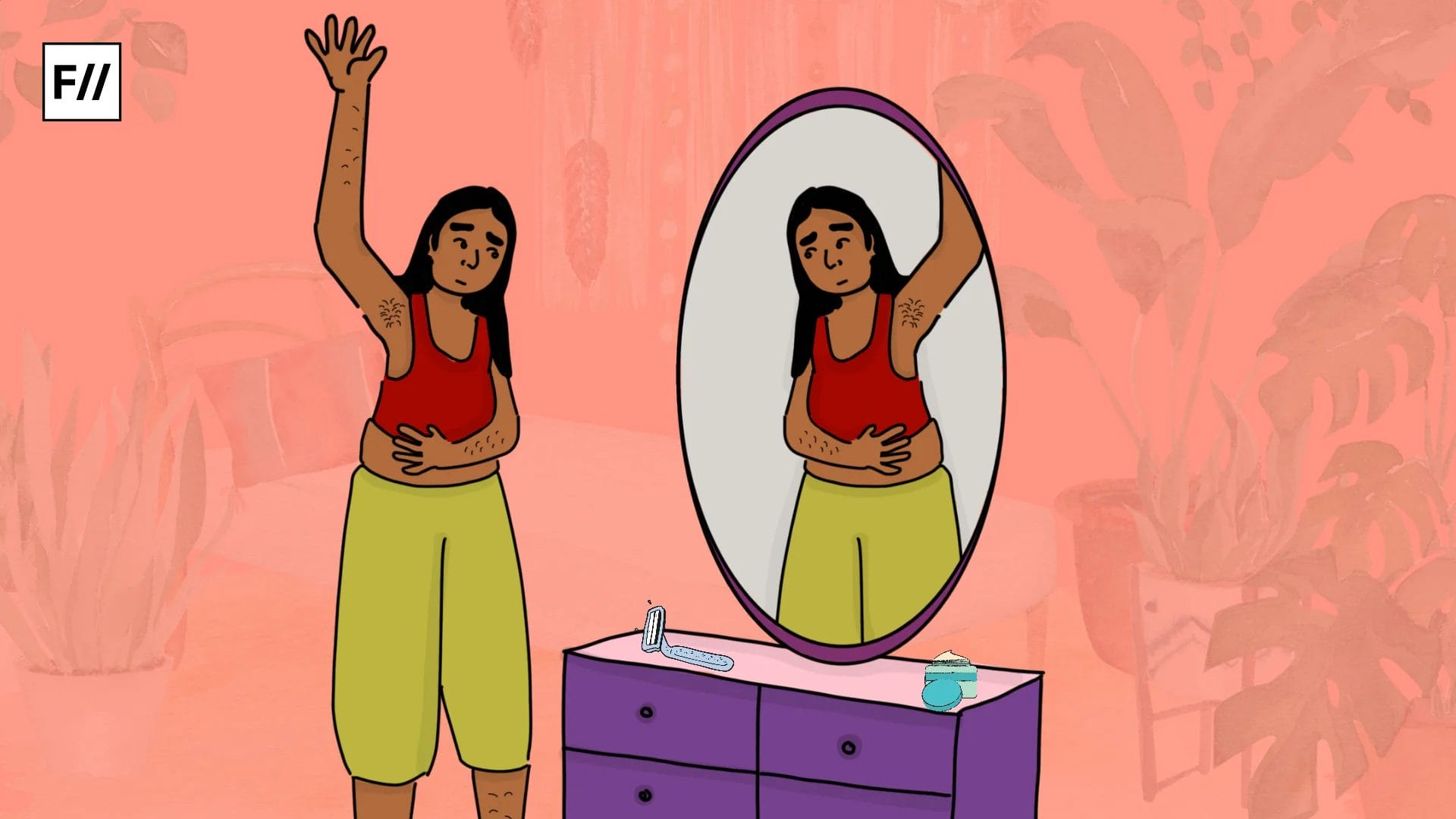

There is a common perception among people that being well dressed or appropriately presentable makes a good first impression. In workplaces and public spaces, first impressions matter, which are closely linked to the way we physically look and present ourselves. “Modest” clothing, a radiant and healthy face (especially for women, flawless faces are often meant) and a docile behavior; It is assumed that the training, which is mostly given to women, gives them better access to male-dominated areas and spaces.
Scientists like Holla, Kuipers and Kaplan assume so Aesthetic capital. More specifically, they argue that physical appearance and certain expressions of sexuality are used as a form of social capital to gain economic and social advantages. For example, the belief that imitating an upper-class person’s clothing style will result in better treatment from authority figures. Other scholars such as Catherine Hakim have further extended this to feminist anthropology by “erotic capital“, which later led Adam Isaiah Green to point out the complexity of society’s perception of aesthetics/appearance.
Aesthetic/erotic capital: broken down
Erotic capital (according to Hakim) is a set of interpersonal skills, beauty standards, and sexual attractiveness that are believed to empower women who are endowed with them. Hakim argues in her dissertation that, like education and economic skills, it is an underestimated resource that could potentially contribute to gender equality. She explains that it is something women are empowered to do through value-added resources such as: B. can easily develop formWeight gain/loss tactics, plastic surgeriesetiquette courses etc.
Source: FII
However, her most controversial opinion was that these qualities appealed most to men (who were often “visually stimulated”) and that such attraction can serve as a resource for women. This resource will give the woman more power if she gains access to his professional environment or benefits economically from it. This was at odds with the emerging radical postfeminist discourse: that expressions of female sexuality were too dependent on patriarchal ethical ideas and that true feminist liberation was only possible by severing the connection between the two.
Appearance as a dehumanizing resource
Adam GreenAssociate Professor of Sociology at the University of Toronto, criticizes the theory of erotic capital as an asociological and essentialized version of a broader social theory. He writes that Hakim conceptually incorporates nursing-oriented skills such as personality, demeanor, and charm into her theory. But their fieldwork, articulation and theories are predominantly based on beauty and sex appeal. She attributed women’s gain in social power to maintaining their youth and beauty and conforming to male standards.
Adam Green (and several other scholars) believe this reduces the theory’s validity to mere sexual capital, which dehumanizes a woman’s abundant human capital, and posits that a woman’s desire for agency and power is linked to patriarchal advantages for a man. For example, it may be true that body modifications (conforming to the patriarchal feminine standard) and “self-care” could provide an incentive for a man to marry and care for such a woman. But if I theorize, Green Points It turns out that Hakim assumes that a woman actually wants to marry such a man, so much so that these beautification efforts only serve this goal. He also points to several scholars who address the negative effects of such beautification tendencies, such as an inferiority complex regarding one’s appearance and a loss of self-esteem.
Aesthetic capital as a non-democratic resource:
Adam Green also criticizes the resources to achieve such esthetic Capital is not available to all women. In order to know what type of clothing, makeup, or gait is desirable in the workplace or in a social environment, one must have a certain level of social capital and knowledge of these norms. Not all women (regardless of nationality, race, class or caste) have the socio-economic skills to achieve this.
Source: FII
Furthermore, the definition of what resources are considered desirable is itself culturally different. What is considered work-appropriate attire in the US (e.g. pencil skirts) is not considered work-appropriate in India. Adam Green touches on the work of many other scholars by showing how women’s sexual attractiveness to men is anchored in race, class, and other social structures. He refers to studies that speak of double standards aging for women for whom their youth contributes immensely to this “sexual capital” and that accepting Hakim’s theory would mean that they would devote most of their life time and economic resources to achieving these standards.
Adam Green touches on the work of many other scholars by showing how women’s sexual attractiveness to men is anchored in race, class, and other social structures.
He also mentions that women’s investments in aesthetic capital do not always translate into economic capital, as they do not reap the same benefits as men in such areas. For example, a woman’s visually attractive appearance does not guarantee higher salaries or promotions at work, even if she is equal to her male colleagues. His main argument is that erotic capital does not take into account the social and structural constraints that prevent many women from accessing or benefiting from it.
In this regard, Adam Green’s criticism requires a closer look at who really benefits from this dynamic and at what cost. His analysis shows us the danger of limiting women’s social agency to their physical appearance, especially when that appearance is defined by patriarchal, Eurocentric, and class-based standards. It highlights a broader feminist concern: that tying women’s empowerment to their attractiveness in male-dominated spaces reinforces the very gendered hierarchies that feminism fights to dismantle.
Rather than being a neutral or generally empowering tool, aesthetic/erotic capital further marginalizes the women it supposedly benefits.
Rather than being a neutral or generally empowering tool, aesthetic/erotic capital further marginalizes the women it supposedly benefits. It is a very controversial and complex resource that is not universally desirable or feasible.
Source: FII
Research like that of Adam Green and others is needed to formulate more theories about what aesthetic capital means sociologically. Exploring the validity of the theory in different social contexts and reflexively considering what it means for feminist theory is an important need of the hour.
Lakshmi Yazhini is a postgraduate pursuing an Integrated Masters in Development Studies at the Indian Institute of Technology Madras. Yazhini lives in Chennai and has a strong research interest in the intersectionality of feminist geography and the state in peripheral cities. In her free time, she enjoys baking, yoga, reading fiction, and writing her thoughts in her journal (mostly about the micro-inequalities around her). Yazhini hopes to one day research, write, and make a difference on these issues as a policymaker.
