
Atrium Health Wake Forest Baptist Plastic & Reconstructive Surgery – The Personal Choice for Body Contouring

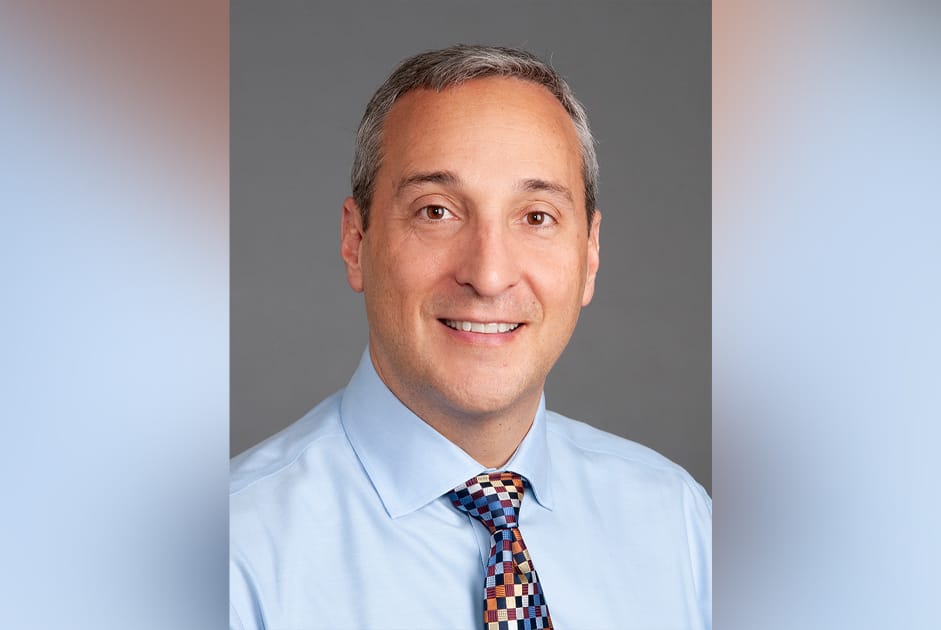
When it comes to the very personal decision to move ahead with plastic surgery or a reconstructive procedure, Dr. Adam Katz of Atrium Health Wake Forest Baptist Plastic & Reconstructive Surgery relies on honest communication and a realistic approach.
Since many of the practice’s most commonly requested procedures are performed after a massive weight loss, he explains that it’s vital for patients to understand these are often “extensive” operations with real risks – and will always involve some level of tradeoff, such as new scars.
“I simply counsel patients with a straightforward, transparent approach, not minimizing the tradeoffs or possible complications, but rather the opposite. I explain that excess skin – beyond a certain amount – will not recoil and tighten by itself. This is especially true if stretch marks are present, which is a sign the skin has lost its elastic recoil properties. In this scenario, the skin has to be excised/removed – and any time a surgeon cuts through the skin for any procedure, there will be a scar.”
Dr. Katz finds most patients are more than willing to trade scars for the removal of their excess, loose, hanging skin – which is a constant reminder of their previous weight challenges.
While body contour surgery can address issues that arise due to aging, weight loss or pregnancy, procedures related to weight loss are becoming more and more common with the rising use of GLP-1 weight loss medications. After significant weight loss, patients may develop significant amounts of loose, hanging skin that can cause recurrent skin problems and/or impede certain aspects of their daily functions. For these patients, it is important that their weight loss has plateaued and remained stable for at least six months and that their health and nutrition are optimized before body contouring surgery.
Dr. Katz says his most requested procedures are lipo-abdominoplasty, mastopexy and panniculectomy. A panniculectomy only involves excision of excess skin and adipose (fat) tissue, and re-positioning of the umbilicus. Liposuction is NOT typically part of this procedure and rarely covered by insurance. A cosmetic abdominoplasty (typically known as a “tummy tuck”) involves all of the above, but also often involves liposuction of one or more areas, as well as tightening of the abdominal wall musculature. This latter maneuver, which often involves the treatment of a diastasis (“separation”) of the central abdominal wall muscles is a powerful tool in helping to shape and flatten the abdomen. It should be noted, however, that an abdominal diastasis is completely different from an abdominal hernia and that insurance will not cover repair of the former.
“There are not really any age limitations to each of these procedures, but the most critical thing is a patient’s overall health,” Dr. Katz explains. “Conditions like poorly controlled diabetes, heart disease, lung disease, active smoking or kidney failure make any potential patient a poor candidate for this type of elective surgery. I most often see patients anywhere from their 30s to their 60s.”
Dr. Katz is also a professor of plastic and reconstructive surgery and serves as Director of the Plastic Surgery Research Laboratory. He has adjunct appointments in the Department of Biomedical Engineering and the Wake Forest Institute of Regenerative Medicine. After graduating from Duke University and the University of Michigan Medical School, he completed his plastic surgery training at the University of Pittsburgh, which included a three-year fellowship in regenerative medicine research and entrepreneurialism. He is also recognized internationally for contributions, innovations and expertise in the science, development and translation of novel approaches to tissue repair, replacement and regeneration using adipose(fat)-derived cells and factors. Dr. Katz is certified by the American Board of Plastic Surgery and, after nearly 20 years of professional practice, continues to derive gratification from the relationships he develops with patients – guiding them to a more comfortable and healthier lifestyle.
Atrium Health Wake Forest Baptist Plastic & Reconstructive Surgery is located at 1450 Professional Park Drive, Suite #300, Winston-Salem, NC, 336.716.4171, and offers consultations and surgical care for all areas of North Carolina. For more information on their cutting edge services and state-of-the-art facilities, visit wakehealth.edu.
Post Views: 199
