
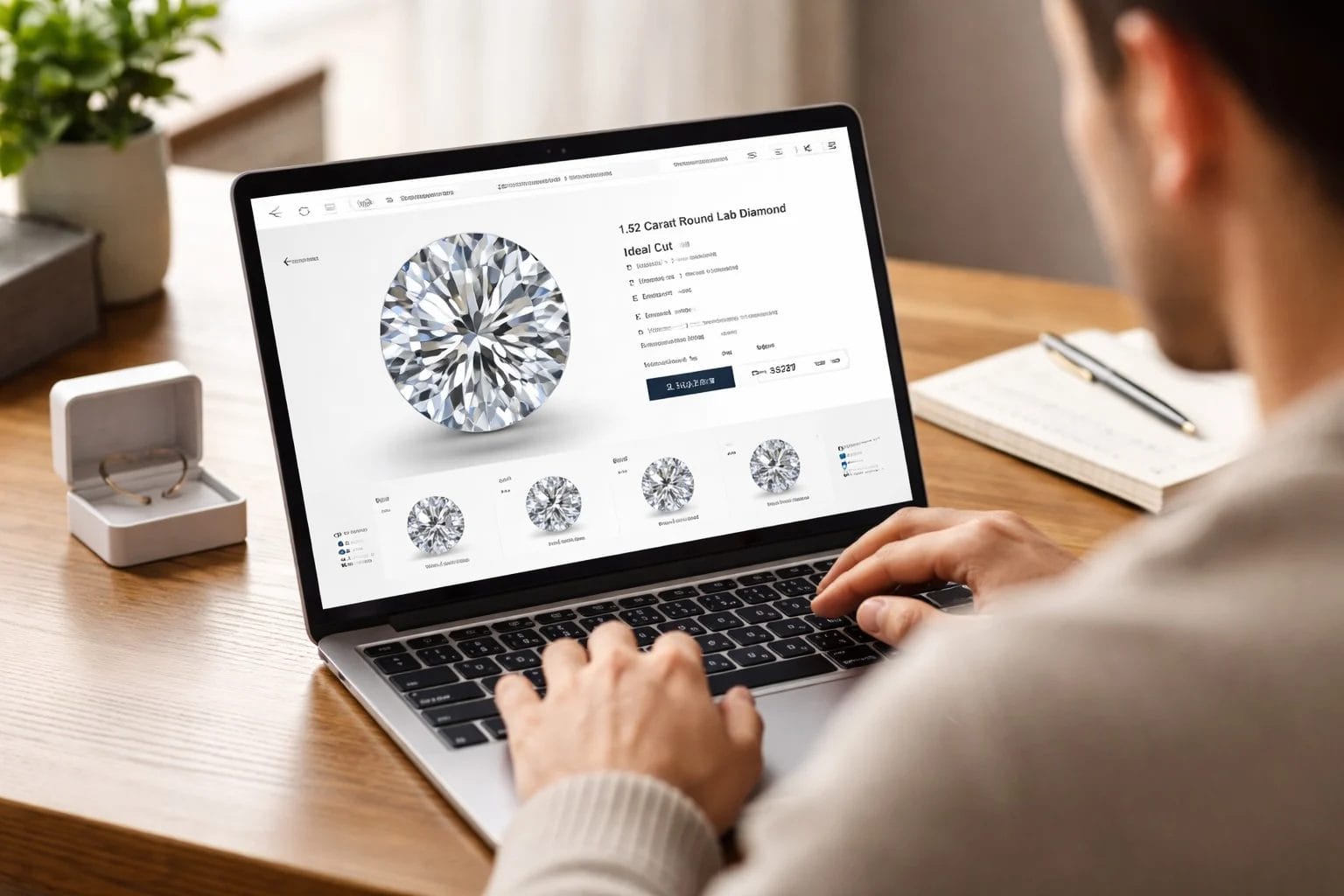

The answer is to choose lab-grown diamonds, which let you find a beautiful diamond that fits modern needs, such as affordability and smart choices. This choice not only enhances your jewelry experience but also creates excitement about getting more for your money, whether that means a larger carat or a better cut.
A recent report from Fortune Business Insights notes that the global lab-grown diamond market has grown rapidly over the past decade, with continued expansion expected as consumer awareness and retail adoption increase, with an annual growth rate of 13.42%. This rapid growth demonstrates that more people are choosing these gems as a smart, thoughtful option. At PriceScope, we are proud to provide a platform with the largest diamond and jewelry forum to help guide your purchasing decisions.

How are lab-grown diamonds made?
Lab-grown diamonds are produced in controlled environments using advanced technology that replicates the natural formation process. They have the same chemical composition, crystal structure, and optical characteristics as mined diamonds, so they look the same to the naked eye.
How is their value assessed?
The worth of lab-grown diamonds is determined using the classic 4Cs: cut, color, clarity, and carat weight, just like natural diamonds. This standard method makes it easy for buyers to compare options with confidence, allowing them to focus on quality rather than the diamond’s origin.
While lab-grown diamonds may not appreciate as investments, like rare natural diamonds, they offer immediate value. Customers can often get a larger or higher-quality diamond for 50-70% less than a comparable natural diamond. This cost-effective choice is especially attractive for items such as engagement rings, where beauty is the primary focus.
What are the benefits of lab-grown diamonds?
One major attraction is the budget flexibility that lab-grown diamonds offer. Shoppers can focus on superior features, such as a great cut for optimal fire and brilliance, without sacrificing size or overall look.
Retailers like Whiteflash, James Allen, and Blue Nile offer a wide range of options that let customers view and customize their choices. This availability has significantly increased popularity, allowing more people to enjoy high-end jewelry.
What practical factors should buyers focus on instead?
When comparing lab-grown diamonds, practical considerations tend to matter more than broad claims about impact. These include cut quality, visual performance, certification details, and pricing consistency across retailers. Because production methods and costs continue to evolve, buyers are best served by focusing on measurable attributes and documented grading rather than generalized narratives.
How do they compare in resale value?
Lab-grown diamonds usually resell for less than natural diamonds, often reselling for significantly less than original retail prices. This lower resale price is largely due to the large number available. It’s better to think of them as special personal items rather than investments.
This lower resale price does not diminish their emotional or aesthetic value. When it comes to wedding bands or family treasures, the focus is on lasting beauty and sentiment, and lab-grown diamonds stand out without the added cost.
What does the market look like?
The lab-grown sector is booming, with Precedence Research estimating growth from $29.73 billion in 2025 to $97.85 billion by 2034. This shows a 14.15% CAGR. In the U.S., lab-grown diamonds account for a growing share of diamond jewelry sales, particularly in engagement rings.
User feedback supports this trend. A 2025 survey found that 52% of engaged couples chose lab-grown diamonds for their rings. This is a 40% increase from 2019. Also, Rapaport’s poll found that 84% are aware of lab-grown options and 74% are open to using them for engagements, indicating strong acceptance.

Reviews often note they offer value, with 65% of Jewelers Board of Trade respondents reporting they are a better overall deal.
What should I know when choosing?
Ultimately, lab-grown diamonds offer a great mix of quality, affordability, and modern appeal.
They let you celebrate important moments with a gem that is as real and shiny as any other, supported by clear grading and a growing market.
For those seeking timeless elegance without breaking the bank, options from trusted vendors like Whiteflash, James Allen, and Blue Nile can help you find the perfect gem. Learn more about diamonds on PriceScope for smart choices.
To get the best value, it’s important to know what to look for when comparing different diamonds.
What to Consider When Ring Shopping For Lab Grown Diamonds
Shopping for a lab-grown diamond ring means focusing on factors that affect what you’ll see and experience every day. These factors are important, not just ideas that don’t translate to real-world use.

First, prioritize cut quality because it affects how bright the diamond appears, regardless of size. Next, consider color and clarity based on what you can’t see in normal conditions. Plan your budget wisely by understanding where prices vary across grades. Always verify every claim with independent certification rather than relying on the seller’s word.
The most important decisions aren’t the ones that retailers highlight in their marketing. Instead, they are about the specific trade-offs between features that truly affect how the diamond looks and those that sound good but don’t make much of a difference you can actually see.
The 4Cs (cut, color, clarity, and carat weight) are the primary system for evaluating lab-grown diamonds, just as they are for all types of diamonds. Knowing these parts helps buyers understand the diamond’s superior traits and beauty, which influence how it reflects light and looks in different settings.
What impact do cut, color, clarity, and carat weight have?
The cut affects a diamond’s shine and sparkle. The best cuts help light bounce back, creating a beautiful glitter. The color can be completely clear or have slight shades. Almost colorless diamonds usually give the best value.
Clarity assesses both internal and external features, with particular focus on ratings where flaws are small and hard to see without magnification. Carat weight measures size, helping buyers find larger diamonds while staying within their budget by considering other quality factors.
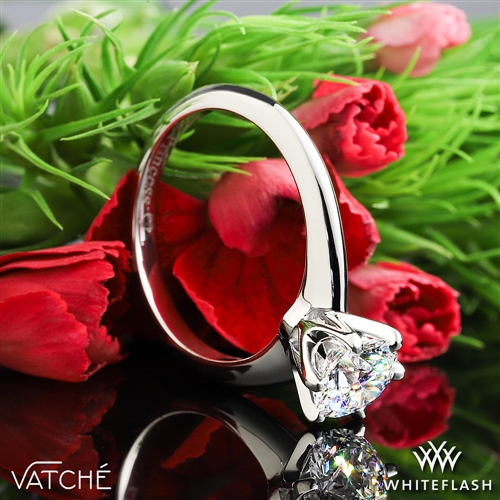
For detailed information on these criteria, websites like PriceScope offer extensive educational resources on the 4Cs. This helps consumers learn how each part affects a diamond’s overall performance and value in ring settings.
Why is certification important when buying diamonds?
Securing certification from reputable gem labs is vital when buying a lab-grown diamond ring; it verifies the diamond’s specifications and confirms its lab-grown origin. This paperwork enhances reliability by impartially scrutinizing the diamond’s features, ensuring you receive exactly what you expect.
Institutions such as IGI and GIA evaluate lab-grown diamonds using laboratory-specific standards that share core grading principles with natural diamonds, but differ in structure and presentation. They record details such as the growth method (HPHT or CVD) and any enhancements. Make sure to request a report for diamonds over 0.5 carats, which typically have a special marker, usually etched on the girdle, for easy confirmation. This step helps prevent false claims and supports assured evaluations among your options.
How much should you budget for lab-grown diamonds?
Defining a solid budget is essential when shopping for lab-grown diamond rings, as these diamonds typically cost 30-60% less than comparable natural diamonds. This allows you to get better features or styles. These savings result from a more efficient process, allowing buyers to allocate their money more effectively.

With these savings, you can focus on getting a larger carat size, higher quality, or more detailed settings without exceeding your budget. It’s important to check common prices to avoid overpaying. Also, consider ongoing costs such as maintenance and insurance. This approach helps you get the best value while making sure you choose something that works for both daily use and special events.
What is the significance of ring design and contour?
Choosing the contour and framework for a lab-grown diamond ring requires you to consider your personal style and how the design will perform in daily wear.
Contours such as round, oval, or cushion shape the overall appearance, and each offers different lighting dynamics and proportions.
Round contours are considered classic because they capture maximum brightness. On the other hand, elongated shapes, such as marquise or pear, can create a sense of length.
It’s important to match the contour with a framework, whether a solitaire for simple elegance or pave for extra sparkle, that highlights the diamond’s strengths and suits the recipient’s aesthetic.
Why does documentation and certification matter?
Clear documentation helps buyers understand what they are purchasing and compare diamonds accurately across sellers. Certification reports outline cut, color, clarity, carat weight, and growth method, reducing uncertainty and helping ensure expectations match reality.
How to choose a reliable seller for diamonds?
Choosing a reliable seller is key to a rewarding lab-grown diamond ring purchase. A trustworthy seller gives you access to better diamonds, helpful advice, and boosts buyer confidence. Online stores often showcase a wide variety of diamonds, with clear pictures and custom options.
Look for sellers with strong refund policies, lifetime guarantees, and customer reviews that show great service. Well-known sellers like Whiteflash, James Allen, and Blue Nile can help ensure your purchase is safe and satisfying.
What role does customization play in diamond rings?
Customizing a lab-grown diamond ring adds a personal touch with options such as inscriptions, additional diamonds, or unique designs that tell personal stories. This change elevates the ring from mere jewelry to a valued symbol.
How to compare diamonds from different retailers?
When evaluating options across multiple retailers, the sheer number of choices, along with different terms and presentation styles, makes it hard to compare objectively. Most shoppers find it difficult to determine whether a particular diamond from one seller is a better deal than a comparable diamond from another. Each seller highlights different features or uses confusing descriptions, making it harder to decide.

PriceScope’s comparison tools consolidate certified lab-grown diamonds from reliable vendors into a single searchable database. You can filter by specific details and view certificates side by side.
Instead of having to decode marketing terms from different websites, you can compare verified grades and documented features directly. This lets you see how diamonds compare based on real data, rather than sales stories that favor certain products.
What should you consider based on customer experiences?
Access to the collective wisdom of those who have already made these decisions and lived with the results is essential. Understanding their experiences can help you determine what truly matters in your decision-making.
Join the Largest Diamond and Jewelry Forum
Making the lab-grown diamond decision becomes clearer when people can learn from thousands who have already made these choices. PriceScope brings together over 100,000 members across 200,000+ discussion threads from the last two decades, creating the biggest independent diamond community. Here, real buyers share honest experiences, compare prices, and give advice without any sales pressure. This access to shared knowledge cannot be provided by retailers, as the community’s purpose is to educate, not to sell.
Start by checking the forums where members discuss lab-grown options. They share what worked, what they would change, and how their diamonds have done over time. Use the search tools to compare certified diamonds from trusted vendors like Whiteflash, James Allen, and Blue Nile. You can filter by your exact needs to see real market prices without any guesswork.
The Holloway Cut Advisor helps you accurately judge light performance, ensuring you focus on brilliance rather than marketing claims. This is where smart decisions are made, based on transparency instead of hype, supported by people who have already spent their money and experienced the results. Join the largest diamond and jewelry forum.
Further Insights
- Lab-Grown Diamond Grading
- Lab-Grown Diamonds Pros And Cons
