Autoimmune disease skincare can be difficult to figure out.
Take Melissa. She bought a new face cream last week, one that promised “gentle, soothing relief,” only to find after her first application that it left her cheeks red, inflamed, and burning.
Living with lupus meant her skin was already unpredictable, but this latest reaction felt like a cruel joke. The cream landed in the trash can, another expensive mistake in her growing collection of skincare products that just didn’t work for her sensitive, autoimmune-affected skin.
Does Melissa’s story sound familiar to you? If so, you understand how managing skin health when you have an autoimmune disease can feel like walking through a minefield with a blindfold on. What works for your friends or family members might cause your skin to react, leaving you feeling defeated and confused.
Autoimmune diseases create unique challenges for your skin that often require a different approach to skincare. Here’s what you need to know about how these diseases affect the skin, what mistakes to avoid, and how to build a routine that keeps your skin feeling its best.
Autoimmune Disease Skincare: What Is An Autoimmune Disease?
Autoimmune diseases occur when your immune system malfunctions and mistakenly attacks your own healthy cells and tissues. You can imagine it like a confused guard dog who begins biting the people it’s supposed to protect. One of the areas commonly affected is the skin.
Common autoimmune diseases that are known for affecting the skin include:
- Lupus
- Psoriasis
- Scleroderma
- Vitiligo
- Alopecia areata
- Thyroid Diseases
- Dermatitis
Each of these conditions creates its own set of challenges, but they all tend to make your skin more sensitive, reactive, and unpredictable.

How Autoimmune Diseases Affect Your Skin
Your skin is your body’s largest organ, and unfortunately, it can become a battleground when you have an autoimmune disease. According to the American Academy of Dermatology, skin symptoms may be one of the first signs of an autoimmune disease, or they may appear later on as the disease progresses.
Many autoimmune diseases cause discoloration or redness on your skin, with symptoms that come and go in episodes called “flares” or “attacks.” These flares can be triggered by a wide variety of things, including stress, certain foods, weather changes, or even the wrong skincare products.
Autoimmune diseases, in general, are characterized by inflammation, and inflammation, in turn, causes redness, dryness, itching, swelling, heat, rashes, and pain in some cases.
Some autoimmune diseases are related to disorders that affect other parts of the body. For example, scleroderma causes the skin to become thick and rigid, while dermatitis herpetiformis is linked to celiac disease and results in itchy blisters. This connection between body and skin means that what you put on your skin can potentially affect how you feel overall, making your skincare choices even more important.
Those diseases that commonly cause itching include psoriasis, which causes rapid buildup of skin cells; primary biliary cholangitis; and vitiligo, which robs the skin of its pigment or color. The constant inflammation and immune system activity associated with an autoimmune disease can compromise the skin barrier, making it more susceptible to irritation from ingredients in skincare products that typically wouldn’t bother others.
In some cases, the symptoms that these diseases create on the skin are not only irritating or frustrating but life-altering. That’s why it’s so important to take extra care of your skin. It’s not only about healthy skin but about how you feel overall.

Autoimmune Disease Skincare: Mistakes People Often Make
The biggest mistake when it comes to caring for skin affected by an autoimmune disease is thinking that “natural” automatically means “gentle.” Many natural ingredients like essential oils or other plant-based ingredients can be highly irritating when your skin barrier is compromised. Some products that claim to be natural may contain only one or two natural ingredients mixed with several irritating or harsh ones.
Another common mistake is over-cleansing or using harsh exfoliating products. When your skin is already inflamed, aggressive scrubbing or strong chemical exfoliants can worsen the inflammation and trigger flare-ups.
A third mistake is assuming you need a complex skincare routine with multiple active ingredients to “fix” your skincare problems. This approach often backfires by overwhelming your already sensitive skin. For autoimmune-affected skin, simple is usually best.
Failing to pay close attention to sun protection is another common mistake. Some medications used to manage autoimmune diseases can make skin even more sensitive to sunlight, increasing the risk of rashes and flare-ups. Forgetting to adjust your sun protection—with a SPF 30 sunscreen, along with protective clothing—can lead to unnecessary skin reactions and more severe symptoms.
Skipping patch tests can lead to surprising reactions if you’re not careful, so it’s best to always test a new product on a small area of skin before using it. Ignoring flares may be a coping technique, but it’s important to pay attention to your skin. If the disease is worsening the symptoms, your skin may need medical attention.
Forgetting to add stress-relieving activities into your day is another common mistake. Stress can trigger flare-ups, but it’s easy to focus only on skincare products. Instead, your skin needs a holistic approach that includes a healthy diet and stress-relieving exercise that helps your skin stay calm.
Autoimmune Disease Skincare Suggestions
To properly care for your skin, prioritize barrier repair and inflammation reduction. Here are the key steps you can take to achieve healthier, more comfortable skin.
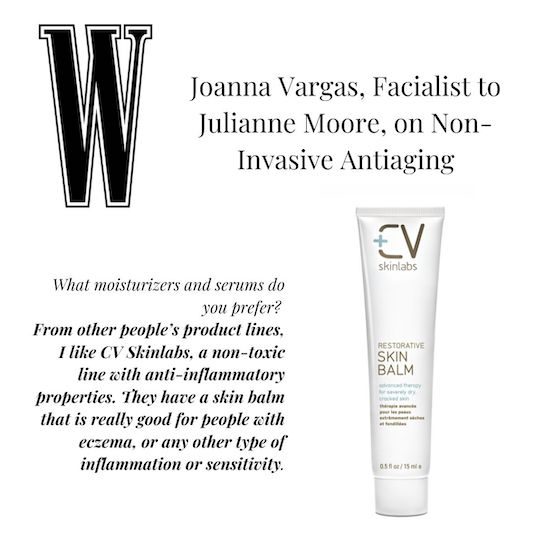
All CV Skinlabs products all contain our proprietary Tri Rescue Complex—a powerful blend of anti-inflammatory ingredients, clinically proven to calm and soothe irritated, red, and inflamed skin.
1. Keep It Simple
Stick to a basic routine that includes a gentle cleanser, non-alcoholic toner like our inflammation-reducing Rescue + Relief Spray, and a soothing moisturizer like our Calming Moisture), which contains ingredients like aloe vera, chamomile, and gluten-free oats to help reduce redness, swelling, and discomfort associated with inflammation.
Use sunscreen during the day. If you want to try treatments, add them in one at a time so you can identify what works and what doesn’t.
CV Skinlabs are specially formulated for sensitive, compromised skin barriers, making them an excellent choice for this simplified approach.
2. Choose Fragrance-Free, Hypoallergenic Products
Fragrances are among the top ingredients that can irritate the skin. They are composed of many unknown chemicals, as the manufacturers are not required to disclose the ingredients they use. All you’ll see on the ingredient list is “fragrance,” but when you see that, realize that it could be made up of many ingredients that aren’t revealed. Choose products like those from CV Skinlabs that are labeled “fragrance-free.” Avoid those labeled “unscented,” as they may still contain masking fragrances.
3. Prioritize Barrier Repair
The skin barrier is the outer layer that is supposed to protect the skin from irritants and other harmful substances. If you have an autoimmune disease, this barrier is often compromised. That means it has cracks and holes in it that allow irritants through. Focus on ingredients that help rebuild and strengthen this barrier, such as ceramides, fatty acids, and gentle humectants like hyaluronic acid.
CV Skinlabs products all contain barrier-restoring ingredients, including antioxidants and ceramides to help strength the skin barrier and improve overall skin health while providing lasting moisture without irritation.
4. Protect from the Sun
Sun protection should be one of your top priorities if you’re dealing with autoimmune disease-related skincare. UV exposure can trigger flare-ups, rashes, redness, and inflammation. Use a broad-spectrum sunscreen with an SPF of at least 30 daily. Consider wearing protective clothing and seeking shade during peak sun hours. Look for mineral sunscreens that contain zinc oxide and titanium dioxide, as these are generally less irritating than chemical sunscreens.
5. Treat Flare-Ups Gently
Flare-ups can be frustrating, but resist the urge to treat them aggressively, as this often makes them worse. Go back to your basic skincare routine—gentle cleansing, alcohol-free toning, and immediate moisturizing—and avoid any exfoliation or treatment products until the flare-up calms down. Use our Rescue + Relief Spray throughout the day to tame redness and provide immediate soothing relief.
6. Keep a Diary
Your skin reactions will typically be triggered by things like stress, hormonal changes, weather, certain foods, a lack of sleep, the fabric in your clothing, or the ingredients in your laundry detergent. Keep a diary of when your flare-ups occur, what symptoms they create, and everything you were doing in the hours and days leading up to the flare. In this way, over time, you’ll be able to identify those triggers that you’ll want to avoid.
Autoimmune Disease Skincare—Your Skin Deserves It!
Whether you have a disease or not, skincare is a form of healthcare. If you have an autoimmune disease, skincare is even more important to your overall health and well-being. Give yourself the time and patience you need to find products that work well with your skin and treat it with a little extra TLC when it needs it. You’ll feel better if you do!
How do you manage a sunburn?
Featured image by Freepik.