


Summary
- Classic prong-set tennis bracelets with round brilliant diamonds dominate sales because they maximize sparkle and suit nearly every occasion, making them the most versatile investment for first-time buyers. This style allows light to enter diamonds from multiple angles through small metal claws that securely hold each diamond, creating unmistakable brilliance that pairs well with both casual and formal attire. The enduring appeal of this design stems from its clean, traditional look that never fades in fashion while delivering exceptional light performance across various price points.
- Online retailers deliver better value by operating with 30 to 40 percent lower overhead costs than physical stores, which pay premium rent for retail space. The global online jewelry market was valued at $46,129.55 million in 2024 and is forecast to reach $129,387.17 million by 2032, growing at 13.8% annually as buyers increasingly trust digital channels for high-value purchases. This pricing advantage flows directly to consumers through identical diamond quality and metal choices at significantly reduced prices, while detailed photography, independent lab certifications, and extended return windows provide transparency that rivals in-store examination.
- Lab-grown diamonds account for approximately 30 percent of the diamond jewelry market in 2025, enabling larger carat weights and higher clarity grades without compromising budget. These diamonds typically have a smaller carbon footprint than mined diamonds while delivering the same brilliance and fire, thanks to the same crystalline structure. The rise of lab-grown options has democratized access to higher specifications, meaning buyers can achieve desired looks without stretching beyond reasonable budgets or compromising on ethical sourcing standards.
- Standard tennis bracelet lengths range from 6.5 to 7.5 inches, with a proper fit leaving one finger’s width between the bracelet and the wrist for comfortable movement without excessive sliding. This measurement is critical because overly loose bracelets increase loss risk through excessive movement and sleeve catching, while overly tight pieces pinch skin or restrict circulation during normal wrist swelling throughout the day. Articulated links between diamond settings allow natural wrist movement and pressure distribution, distinguishing comfortable, everyday wear pieces from rigid constructions that cause discomfort during extended use.
- Tennis bracelets range from $2,500 to over $50,000, depending on total carat weight, diamond quality, and metal choice. Most quality pieces are priced between $3,000 and $15,000 for everyday luxury. This range reflects fundamental differences in diamond specifications: VS1 to VS2 clarity provides eye-clean diamonds without paying a premium for microscopic perfection, while G to H color grades appear colorless in white metal settings. Price variations also stem from construction quality factors such as clasp security, setting durability, and diamond matching consistency, which determine whether bracelets become cherished heirlooms or drawer dwellers.
- Independent gem certification from established labs such as GIA or IGI provides unbiased assessments of carat weight, color, clarity, and cut that verify quality beyond seller claims. Buyers should verify report numbers directly on lab websites and match documented specifications, such as measurements and clarity diagrams, to the actual pieces before finalizing purchases. This verification eliminates uncertainty about quality while exposing sellers who hesitate to provide certificate numbers or discourage independent validation, since reputable vendors treat documentation requests as reasonable diligence rather than insulting skepticism.
- PriceScope’s largest diamond and jewelry forum connects buyers with over 100,000 members who share unfiltered vendor experiences, revealing which retailers consistently deliver secure settings, which diamond grades provide optimal value at each price point, and which construction details determine long-term satisfaction beyond polished marketing materials.
What are the Most Popular Styles of Tennis Bracelets?
Understanding which tennis bracelet styles resonate most with buyers helps you narrow choices and focus on designs that balance beauty, durability, and personal taste. Classic prong-set bracelets with round brilliant diamonds dominate sales because they maximize sparkle and suit nearly every occasion, but modern variations like bezel settings, east-west orientations, and double rows offer distinct looks that appeal to different lifestyles and aesthetic preferences. Knowing these core styles helps you identify which align with your wardrobe, activity level, and the statement you want your bracelet to make.
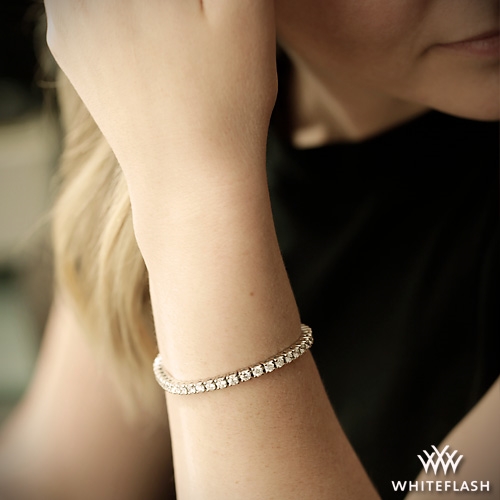
Classic Prong-Set Tennis Bracelets
The classic prong-set style is the most enduring and widely loved among diamond tennis bracelets. Small metal claws, typically four prongs per diamond, securely hold each diamond in a single, continuous line, maximizing light exposure for exceptional sparkle and fire. This approach highlights the natural beauty of round brilliant cut diamonds, which dominate due to their superior scintillation and broad appeal across various budgets and preferences.
Many seasoned jewelry buyers on forums with decades of collective experience point to this as the go-to option for its clean, traditional look that never fades from fashion. The prong setting allows light to enter the diamond from multiple angles, creating unmistakable brilliance that catches the eye without feeling overstated. You’ll find this style works equally well with jeans and a sweater or an evening gown, making it the most versatile investment for first-time tennis bracelet buyers.
Bezel-Set Tennis Bracelets
Bezel-set designs provide a contemporary, streamlined option that prioritizes both security and a smooth feel against the skin. Each diamond rests within a full or partial metal frame that encircles it, providing enhanced protection while maintaining a modern, minimalist profile. This setting appeals strongly to those with active routines or who prefer a sleeker aesthetic, as it reduces snag risk and maintains a polished appearance.
The metal rim creates a subtle border around each diamond, which some buyers initially worry might reduce sparkle. In practice, well-crafted bezel settings still allow diamonds to radiate impressively, just with a softer, more integrated glow rather than the sharp fire of prong-set diamonds. If you work with your hands frequently, exercise regularly while wearing jewelry, or simply prefer jewelry that feels secure and low-maintenance, this option offers better durability and a more sophisticated shine than most alternatives.

East-West Tennis Bracelets
East-west orientations introduce a bold, architectural flair by positioning elongated diamonds, such as emerald or baguette cuts, horizontally along the wrist rather than the conventional vertical alignment. This end-to-end layout creates a clean, linear effect that feels fresh and distinctive, emphasizing the diamonds’ length, clarity, and geometric precision. It appeals to wearers seeking something beyond the standard while preserving the bracelet’s signature wraparound grace.
The horizontal arrangement creates a more contemporary statement piece that complements modern wardrobes. Emerald cuts, in particular, showcase exceptional clarity because their large, open facets reveal inclusions, so this style often features higher-grade diamonds. You’ll notice the difference immediately when comparing it side by side with traditional vertical settings: the wrist appears more elongated, and the overall look feels intentionally curated rather than merely elegant.
Double-Row Tennis Bracelets
Double-row configurations amplify presence by featuring two parallel lines of diamonds, doubling the sparkle and often increasing the total carat weight for added impact. This layered approach delivers greater drama and luxury without departing from the flexible, eternity-style foundation of traditional designs. Popular in the 2-3 carat total weight range, these bracelets suit special occasions or those desiring heightened glamour, with the extra diamonds enhancing overall brilliance and making the piece feel more substantial on the wrist.
The second row not only adds more diamonds; it also creates depth and dimension that single-row bracelets can’t match. When light hits both rows simultaneously, the effect multiplies rather than simply doubles, producing a cascade of reflections that feels genuinely luxurious. If you’re considering a tennis bracelet as an anniversary gift or milediamond purchase, this style signals celebration and significance in a way that feels earned rather than excessive.
Graduated Tennis Bracelets
Graduated styles add a subtle dimension with diamonds that gradually increase in size toward the center before tapering symmetrically. This gentle progression follows the wrist’s natural contour, drawing attention to the focal area while adding refined movement and visual interest. It offers understated sophistication for those who favor elegance over uniformity, with varying diamond sizes creating a dynamic yet balanced sparkle that flatters beautifully in both everyday and evening settings.
The size variation typically ranges from 0.05 to 0.15 carats per diamond, with the difference between the smallest and largest diamonds enough to create noticeable flow without appearing mismatched. This design works particularly well for buyers who find uniform tennis bracelets slightly monotonous but don’t want anything too bold or unconventional. The graduated effect adds personality while maintaining the timeless appeal that makes tennis bracelets such reliable long-term investments.
Modern Variations with Mixed Metals and Accents
Today’s trends incorporate mixed metals like rose and white gold, or subtle colored diamond accents, to infuse warmth and individuality into the classic diamond line. While single-row diamond bracelets remain the dominant choice, these updates keep the style vibrant and relevant for diverse tastes. According to one resource, lab-grown diamonds account for approximately 30% of the diamond jewelry market, enabling larger or more substantial pieces without compromising quality and aligning perfectly with current demand for conscious luxury.
Rose gold settings add a romantic, vintage-inspired warmth that complements skin tones beautifully, while mixed metal designs let you coordinate with other jewelry pieces you already own. Some buyers alternate white and colored diamonds throughout the bracelet for a playful yet sophisticated look, though this remains less common than pure white diamond lines. The rise of lab-grown options has democratized access to higher carat weights and better clarity grades, allowing you to achieve the look you want without stretching your budget or compromising on ethical sourcing.
When you’re evaluating these styles, PriceScope connects you with experienced jewelry buyers who’ve navigated these exact choices, offering insights into which settings hold up best over years of wear, which vendors consistently deliver quality craftsmanship, and which design details matter most for your specific needs. The collective wisdom of thousands of real purchases helps you avoid costly mistakes and focus on bracelets that deliver lasting satisfaction.
But choosing a style is just the beginning—the features hidden beneath that sparkle determine whether your bracelet becomes a cherished heirloom or a source of regret.
Further Insights
- How To Choose Diamond Earrings
- Best Place To Buy Diamond Earrings
- Best Cut For Diamond Stud Earrings
What are the Key Features to Consider When Buying a Tennis Bracelet?
The sparkle catches your eye first, but the architecture beneath those diamonds determines whether your bracelet becomes a daily companion or a drawer dweller. Focus on diamond quality, setting security, metal durability, clasp reliability, and fit precision. These five elements separate bracelets that hold their value and beauty for decades from those that disappoint within months.

Diamond Quality Determines Long-Term Satisfaction
Cut quality controls how light moves through each diamond, creating that fire and brilliance you notice from across a room. A well-cut diamond maximizes light return even in smaller carat weights, while poorly cut diamonds appear dull regardless of size. Color grade matters more than most buyers expect. G- or H-color diamonds appear colorless when set in white gold or platinum, delivering exceptional value without visible warmth. Drop to I or J, and you’ll notice a faint yellow tint that becomes more pronounced as the bracelet ages and wears.
Clarity in the VS1 to VS2 range delivers eye-clean diamonds without paying a premium for microscopic perfection you’ll never see. The critical factor most people miss: uniformity across all diamonds. A bracelet with inconsistent color or clarity grades creates a patchy appearance that undermines the overall quality, regardless of the average quality. When comparing bracelets, examine them under different lighting. Natural daylight reveals color variations that showroom spotlights hide.
Setting Type Balances Security and Light Performance
Prong settings expose maximum diamond surface to light, creating intense sparkle through superior light entry from multiple angles. Four-prong configurations offer the best balance between security and brilliance, while three-prong settings feel slightly more delicate but modern. The prongs must be sufficiently thick to hold diamonds securely without bending, yet thin enough to avoid blocking light or creating a bulky appearance.
Channel settings protect diamonds within a metal groove, reducing snag risk for active lifestyles. The trade-off is a slightly muted sparkle, since metal surrounds more of each diamond’s perimeter. This style suits buyers who prioritize durability over maximum fire, particularly those who wear their bracelet during exercise or manual work. Bezel settings wrap each diamond completely in metal, offering the most protection but the softest glow. The metal rim creates a contemporary, streamlined profile that appeals to minimalist aesthetics, though traditional buyers often find it less brilliant than prong alternatives.
The construction quality is evident in how settings connect to one another. Flexible links between diamond settings allow natural wrist movement without stiffness, while rigid connections feel bulky and restrict motion. Test this by gently flexing the bracelet; it should bend smoothly without resistance or gaps appearing between diamonds.
Metal Choice Affects Durability and Maintenance
Platinum delivers superior longevity because it doesn’t wear away as gold alloys do. When platinum scratches, the metal displaces rather than disappears, maintaining its weight over decades. This density makes it heavier on the wrist, which some buyers love for its substantial feel, while others find it cumbersome for all-day wear. White gold offers a lighter alternative with a similar appearance, though it requires periodic rhodium plating to maintain its bright white finish. According to Diamonds of London, standard tennis bracelet lengths range from 6.5 inches to 7.5 inches, with a proper fit allowing one finger’s width of space between the bracelet and the wrist for comfortable movement without excessive sliding.
Yellow and rose gold introduce warmth that complements certain skin tones beautifully, creating contrast that makes diamonds appear brighter. Rose gold’s copper content provides exceptional durability, resisting scratches better than white gold while maintaining its color without plating. The metal choice influences how the bracelet coordinates with other jewelry you own. If you wear primarily white metals, a yellow gold tennis bracelet might clash rather than complement your existing pieces.
Clasp Design Prevents Costly Losses
The clasp represents your bracelet’s single point of failure. Box clasps with figure-eight safety catches provide double security, requiring two separate mechanisms to fail before the bracelet can fall off. Lobster clasps feel more familiar and easier to operate with one hand, though they provide only one point of security unless paired with an additional safety chain.
The clasp should close with a distinct, audible click that you can feel, not a vague sense of connection. Test it repeatedly during evaluation. Weak springs or imprecise manufacturing can cause clasps to pop open unexpectedly, and you won’t notice this flaw until the bracelet comes loose during normal wear. Hidden safety latches add minimal bulk while dramatically reducing loss risk, making them particularly valuable for higher-carat-weight bracelets, where replacement costs become significant.
Price ranges reflect these quality differences more than buyers initially realize. MH Elegance offers tennis bracelets ranging from $2,500 to over $50,000, depending on total carat weight, diamond quality, and metal choice. The vast majority of quality pieces are priced between $3,000 and $15,000 for everyday luxury that balances presence with wearability.
Sizing and Flexibility Create All-Day Comfort
Proper fit prevents both loss and discomfort. Too loose, and the bracelet slides excessively, catching on sleeves and increasing the risk. Too tight; it pinches the skin or restricts circulation during normal wrist swelling throughout the day. The one-finger rule provides reliable guidance: when fastened, you should fit one finger comfortably between the bracelet and your wrist without forcing it.
Flexibility determines whether the bracelet conforms naturally to your wrist’s shape or fights against it. Articulated links between settings allow the bracelet to bend and flex with your movements, distributing pressure evenly rather than creating pressure points. Rigid construction feels stiff and uncomfortable, particularly noticeable during extended wear. When trying on bracelets, move your wrist through its full range of motion. The bracelet should follow smoothly without binding or creating gaps that expose the clasp mechanism.
Experienced buyers on PriceScope consistently emphasize that comfort matters as much as appearance when it comes to pieces you’ll wear regularly. The community’s decades of collective experience reveal which construction methods hold up through years of daily wear, which vendors deliver consistent quality across price points, and which seemingly minor details, like clasp strength or link flexibility, determine long-term satisfaction. Their insights help you avoid costly mistakes that only become apparent after purchase, when return windows have closed, leaving you with a beautiful bracelet that stays in its box.
But even perfect features mean nothing if you buy from the wrong place.
Should I Buy My Tennis Bracelet Online or at a Local Jewelry Store?
Online retailers deliver better value, wider selection, and more transparent diamond information than most local stores can match. You’ll find detailed grading reports, high-resolution imagery, and competitive pricing that reflects lower overhead costs. The key advantage lies in access: thousands of bracelets with precise specifications available for comparison, rather than the limited inventory a physical store can display.
Why Online Shopping Works for Diamond Tennis Bracelets
The barrier that once kept buyers out of online jewelry stores has collapsed. Detailed photography now reveals what you’d see under a jeweler’s loupe, with 360-degree videos showing how diamonds catch light from every angle. Reputable sellers provide independent lab certifications directly on product pages, letting you verify each diamond’s cut, color, clarity, and carat weight without sales pressure or time constraints.
This level of transparency matters more for tennis bracelets than for almost any other jewelry piece. You need perfectly matched diamonds across the entire length, and online platforms let you scrutinize that consistency before committing. Many sites now offer augmented reality tools that preview the bracelet on your wrist, eliminating guesswork about how it will look and feel in real life.
The pricing advantage comes from simple economics. Online retailers skip expensive retail space, reducing overhead by 30 to 40 percent compared to stores paying premium mall rents. Those savings flow directly to you through lower prices on identical diamond quality and metal choices. Free shipping, extended return windows (often 30 days or longer), and insured delivery add layers of protection that rival those of a local store.
According to Technavio’s market analysis, the global online jewelry market was valued at $46,129.55 million in 2024 and is forecast to reach $129,387.17 million by 2032, growing at 13.8% annually. This surge reflects how buyers increasingly trust digital channels for high-value purchases, particularly diamond jewelry, where detailed specifications and certifications matter more than tactile examination.
What Local Jewelry Stores Still Offer
Physical stores create immediate confidence through face-to-face interaction with experienced staff who can explain diamond nuances in real time. You can try on multiple bracelets, comparing how different carat weights feel on your wrist and how various settings catch light under store conditions. This hands-on evaluation is helpful if you’ve never worn a tennis bracelet and want to understand its physical presence before buying.
Walking out with your purchase the same day eliminates shipping anxiety and waiting periods. Local jewelers also build long-term relationships, offering personalized after-sales services such as resizing, cleaning, and repairs that are more accessible than mailing your bracelet to a distant facility. For buyers who value an ongoing connection and prefer to support neighborhood businesses, these factors carry real weight.
The tradeoff shows up in limited inventory. Most stores stock 20 to 50 tennis bracelets at any given time, limiting your ability to compare across a wide range of quality or to find specific combinations of diamond grade, metal type, and carat weight. Higher operating costs translate to markups that can add 25 to 50 percent to the price of comparable pieces available online.
Where Local Shopping Falls Short
Selection constraints force compromises. If you want a specific total carat weight of VS2 clarity diamonds in rose gold, your local store may not carry it, so they may offer whatever they have in stock rather than what you want. This limitation becomes more frustrating as you educate yourself about diamond quality and realize the store’s inventory doesn’t align with your preferences.
Time pressure adds friction. Store hours rarely align with your schedule, and sales staff attention varies based on floor traffic. You might feel rushed during peak times or experience subtle pressure to make decisions faster than you’re comfortable with. High-pressure tactics still exist in some stores, particularly when salespeople work on commission and view your visit as a closing opportunity rather than an educational conversation.
The biggest gap appears in long-term quality assessment. Subtle factors like diamond alignment, setting durability, and clasp reliability don’t reveal themselves during a brief store visit. You can’t know whether the bracelet will retain its sparkle after six months of daily wear or whether the clasp will weaken over time. These details only surface through extended use, and by then, your return window has closed.
Why Online Concerns Don’t Hold Up
Authenticity concerns are eliminated when you buy from established sellers who provide independent lab certifications with every bracelet. GIA, AGS, and IGI reports objectively verify diamond quality, eliminating the need to trust a seller’s word. Secure payment processing on major platforms provides financial protection, while buyer-friendly return policies allow you to try the bracelet at home with confidence.
Concerns about delivery damage or loss carry less weight than most buyers expect. Insured shipping with tracking, signature confirmation, and return options ensures you know exactly when your bracelet arrives and can verify its condition immediately. If anything is wrong, the return process typically includes a prepaid return label and a full refund, making the experience smoother than driving back to a store for an exchange.
The inability to touch before buying matters less when you understand what to look for in specifications. Diamond certifications tell you more about quality than a quick in-store glance ever could. The one-finger fit rule for sizing works reliably whether you measure at home or in a store, and detailed size guides eliminate guesswork.
Most buyers navigating this decision benefit from connecting with others who’ve made similar purchases. PriceScope’s community brings together over 100,000 members who’ve collectively purchased thousands of tennis bracelets, sharing detailed experiences about which online vendors deliver consistent quality, which diamond grades provide the best value, and which design details matter most for long-term satisfaction. This peer knowledge fills gaps that neither online product pages nor in-store sales pitches can address, helping you make decisions based on real outcomes rather than marketing promises.
When Local Makes More Sense
If you’ve never bought fine jewelry online and the idea creates genuine anxiety, starting with a local purchase might provide peace of mind worth the premium. Some buyers simply prefer the ritual of visiting a store, trying on pieces, and building a relationship with a jeweler they can visit for future maintenance. That emotional comfort has value, even if it costs more.
Local stores also excel when you need a bracelet immediately for an upcoming event and can’t wait for shipping. If you’re buying a gift and want to see the recipient’s reaction when they open a jewelry box rather than a shipping package, the in-store experience delivers that moment better.
But for most buyers seeking the best combination of selection, value, and quality verification, online retailers provide advantages that local stores struggle to match. The transparency, competitive pricing, and detailed digital information enable you to make informed decisions without pressure or compromise.
Now you know where to buy, but not every retailer deserves your trust or your money.
Further Insights
- Guide To Buying Jewelry
- Best Place To Buy Diamond Stud Earrings
- Best Size Diamond Stud Earrings For Everyday
7 Best Places to Buy a Tennis Bracelet in 2026
Seven vendors stand out for combining high-performance diamonds, transparent certifications, secure settings, and reliable customer support that protects your investment. Whiteflash leads for super ideal cuts, James Allen excels in visual transparency, Blue Nile offers unmatched customization breadth, Angara prioritizes lab-grown value, 47 Jewelry delivers rare diamond expertise, Enhoerning specializes in bespoke artisan work, and Diamonds By Lauren focuses on top-grade lab-grown inventory. Each addresses different priorities, from maximum brilliance to ethical sourcing to personalized design, so your choice depends on what matters most in your specific situation.
1. Whiteflash
Whiteflash stands out for tennis bracelets that deliver continuous, eye-catching sparkle through expertly matched diamonds in clean, brilliant designs. They focus on high-performance diamonds that excel in light return, making these bracelets ideal for both daily wear and special occasions where maximum fire and scintillation matter.

Why Choose It
Whiteflash is the go-to for buyers who demand top-tier diamond performance in their tennis bracelets. Their A CUT ABOVE® diamonds, featuring super ideal cuts, deliver superior brilliance and symmetry, backed by rigorous certification and artisan-level assembly. This ensures exceptional value in premium diamond jewelry without unnecessary premiums, appealing to those who appreciate detailed transparency and lasting sparkle.
Key Features of Whiteflash
- Offers elegant tennis bracelets crafted for uninterrupted, end-to-end brilliance, featuring perfectly matched melee diamonds.
- Features A CUT ABOVE® super ideal cut natural diamonds, GIA certified with AGS Ideal reports, and Hearts and Arrows patterns for outstanding light performance.
- Includes precision-cut lab-grown diamonds with top certifications, such as GIA and IGI, for excellent sparkle at accessible prices.
- Provides detailed diamond imaging, grading data, and reports to support informed selections.
- Allows pairing of their high-quality diamonds with leading designer settings for personalized bracelet looks.
- Stocks ready-to-ship options with in-stock viewing for quick access to quality pieces.
- Emphasizes durable, secure prong or channel-style settings that highlight diamond fire and durability.
2. James Allen
James Allen provides a strong selection of tennis bracelets featuring high-quality diamonds in classic channel or prong settings, with emphasis on both natural and lab-grown options. Their pieces deliver consistent sparkle across the line, making them suitable for those wanting reliable brilliance in a versatile, modern accessory.

Why Choose It
James Allen excels for shoppers seeking an intuitive online experience, excellent diamond transparency, and ethical standards. Their advanced 360-degree viewing technology lets you closely inspect every diamond’s performance, while competitive pricing on certified gems and solid post-purchase support make them a dependable choice for tennis bracelets that balance luxury with everyday practicality.
Key Features of James Allen
- Stocks tennis bracelets in popular round brilliant cuts for timeless maximum light return and fire.
- Offers both natural diamonds with GIA certifications and lab-grown diamonds known for ethical sourcing and affordability.
- Provides high-resolution, interactive 360-degree views to evaluate symmetry, polish, and overall sparkle before purchase.
- Features secure channel settings that protect diamonds while allowing continuous, even brilliance along the bracelet.
- Includes lifetime warranty coverage for adjustments, cleaning, and repairs to maintain long-term beauty.
- Delivers free shipping options (often worldwide) and flexible return policies for added confidence.
- Allows future upgrades or exchanges, supporting evolving style preferences.
3. Blue Nile
Blue Nile offers an extensive range of tennis bracelets, from classic single-row designs to larger statement pieces, available in natural mined diamonds or lab-created alternatives. Their collection prioritizes certified quality and customization, ensuring a smooth line of matched diamonds that shine brilliantly for any occasion.

Why Choose It
Blue Nile attracts buyers looking for straightforward value, rigorous diamond grading, and buyer-friendly policies. With no excessive markups, detailed certification reports, and personalization tools, it stands out as a trusted source for tennis bracelets that combine elegance, durability, and peace of mind through robust guarantees and support.
Key Features of Blue Nile
- Allows custom configuration of tennis bracelets through an easy-to-use design tool for carat weight, metal, and diamond selection.
- Supplies GIA-graded natural diamonds and certified lab-grown diamonds with full reports on cut, color, clarity, and carat.
- Covers a wide range of total carat weights to suit various budgets, from subtle everyday pieces to more substantial sparkle.
- Uses premium metals like platinum or 18k gold for settings that ensure longevity and comfort.
- Provides 24/7 customer assistance via chat, phone, and email for guidance throughout the buying process.
- Features price match guarantees and competitive positioning to deliver strong value.
- Offers generous return windows and flexible policies for satisfaction after delivery.
4. Angara
Angara features a curated selection of tennis bracelets, with a strong emphasis on lab-grown diamonds in classic round brilliant cuts set in clean, prong-style configurations. These pieces deliver vibrant, consistent sparkle suitable for modern everyday luxury or boosted occasions.

Why Choose It
Angara appeals to buyers seeking ethical, budget-conscious tennis bracelets with solid craftsmanship and direct savings. By focusing on lab-grown diamonds, they offer bright, high-quality sparkle without the higher costs of mined gems, combined with customization flexibility and reliable service for a satisfying purchase experience centered on value and responsibility.
Key Features of Angara
- Specializes in lab-grown round brilliant diamonds that provide excellent fire and scintillation for eye-catching brilliance.
- Offers classic tennis bracelet designs with individual prong settings to securely showcase each diamond’s maximum light performance.
- Provides customization options for metal type, diamond weight, and overall specifications to match personal style preferences.
- Emphasizes ethical production using lab-grown diamonds to reduce environmental impact and ensure conflict-free sourcing.
- Delivers attractive pricing through a direct-to-consumer model that eliminates unnecessary markups.
- Includes practical perks such as free insured express shipping and a 30-day return policy for confident shopping.
- Supports buyer-friendly features such as installment payments and first-order discounts to enhance accessibility.
5. 47 Jewelry
47 Jewelry brings a distinctive approach to tennis bracelets by blending expertise in estate and rare diamonds with modern sustainable options, including lab-grown varieties. Their focus on quality sourcing results in pieces with exceptional character and reliable sparkle.

Why Choose It
This retailer suits selective buyers who value provenance, expert insight, and meaningful diamond selections for their tennis bracelets. With transparent origins, GIA certifications, and personalized guidance, it delivers trustworthy, high-integrity pieces that stand out for those prioritizing authenticity and careful matching over mass-market uniformity.
Key Features of 47 Jewelry
- Incorporates high-quality diamonds, including rare or antique-inspired cuts where applicable, alongside lab-grown diamonds for ethical appeal.
- Ensures precise matching of diamonds for uniform color, clarity, and brilliance across the entire bracelet line.
- Utilizes secure, durable settings that protect diamonds while allowing optimal light return and everyday wearability.
- Provides GIA certifications and conflict-free sourcing from vetted suppliers for verified diamond integrity.
- Offers bespoke services and custom mounting to create tennis bracelets tailored to specific diamond choices.
- Delivers expert consultations, often virtual or personalized, to assist with selections and pairing.
- Includes ongoing support for care, adjustments, and maintenance to preserve long-term beauty and performance.
6. Enhoerning Jewelry
Enhoerning Jewelry is a premium, personalized jeweler specializing in custom tennis bracelets that showcase exceptional diamonds through artisanal craftsmanship. Their work often incorporates rare or high-quality diamonds into bespoke designs, drawing on traditional techniques for pieces that feel distinctive and heirloom-worthy.

Why Choose It
Enhoerning is ideal for those who want a truly one-of-a-kind tennis bracelet with an emphasis on artistic detail and expert diamond sourcing. Through in-depth consultations and access to a curated network of diamonds, they create custom pieces that prioritize perfect matching, superior cut quality, and meaningful provenance, making them a strong fit for buyers seeking boosted, non-mass-produced brilliance.
Key Features of Enhoerning Jewelry
- Specializes in fully custom tennis bracelets designed around client-selected or sourced high-performance diamonds.
- Sources premium natural diamonds with a strong emphasis on cut precision for maximum brilliance and fire.
- Applies heritage-inspired goldsmithing methods to create secure, elegant settings that enhance diamond light return.
- Offers detailed personal consultations (virtual or in-person) to ensure precise diamond pairing and design alignment.
- Provides free global FedEx shipping on completed custom orders for convenient delivery.
- Includes premium packaging suitable for gifting or special presentation.
- Maintains a standard return policy for non-custom items, with dedicated support for bespoke pieces.
7. Diamonds By Lauren
Diamonds By Lauren focuses on fresh, ready-to-wear tennis bracelets featuring high-grade lab-grown diamonds in popular cuts like round brilliant. Their inventory emphasizes excellent color and clarity, substantial carat weights, and impressive, sustainable sparkle at practical price points.

Why Choose It
This retailer is a smart choice for buyers seeking lab-grown tennis bracelets with top-tier diamond specifications and clear value. By prioritizing newly crafted pieces with outstanding whiteness, purity, and brilliance, they deliver eco-conscious options that perform like premium mined diamonds while keeping costs accessible and straightforward.
Key Features of Diamonds By Lauren
- Showcases lab-grown tennis bracelets in generous total carat weights, often in the 2–3+ ctw range for noticeable presence.
- Features exceptional D-color and VVS2 (or better) clarity diamonds for superior whiteness and eye-clean sparkle.
- Includes classic round brilliant cuts optimized for intense fire and scintillation in continuous bracelet designs.
- Offers alternative cuts, such as Asscher or emerald, when available, adding variety to the brilliant lineup.
- Prices remain competitive, with larger lab-grown pairs typically priced between $2,500 and $4,000, depending on specifications.
- Maintains a dedicated section for new arrivals, making it easy to browse current high-quality tennis bracelet stock.
- Highlights the benefits of lab-created diamonds, including ethical production, environmental advantages, and consistent performance.
But knowing where to buy only gets you halfway there if you don’t know how to evaluate what they’re actually selling.
Expert Tips on Choosing a Place to Buy a Quality Tennis Bracelet
Choosing where to buy determines whether you receive a bracelet that retains its brilliance for decades or one that loses its brilliance within months. Prioritize sellers that offer independent certification verification, transparent return policies, authentic documentation, verified customer experiences, secure payment infrastructure, rigorous diamond-matching standards, and durable construction details. These factors separate retailers who protect your investment from those who prioritize quick sales over lasting satisfaction.
Demand Independent Gem Certification
Insist on bracelets accompanied by reports from established labs like GIA or IGI for diamonds exceeding 0.3 carats per diamond. These documents provide unbiased assessments of the 4Cs (carat weight, color, clarity, cut), offering concrete proof rather than seller promises. Verify the report number directly on the lab’s official website, matching details like measurements and clarity diagrams to the actual piece before finalizing purchase.
This verification eliminates uncertainty about quality. Cross-reference the certificate’s unique identifier against the lab’s database to verify authenticity, and confirm that the documented specifications align with any provided images or videos of light performance. Sellers who hesitate to provide certificate numbers or discourage independent verification raise immediate red flags.
Examine the Seller’s Return and Warranty Terms Closely
Review complete policies on returns, exchanges, and ongoing maintenance before committing funds. Confirm whether the seller covers shipping and insurance for returns if the bracelet arrives damaged or misrepresented, and whether the warranty addresses regular upkeep like prong tightening or only catastrophic manufacturing defects. Strong policies typically include complimentary periodic inspections or explicit service-request timelines.
Solid after-sales support reduces long-term ownership costs and provides reassurance when problems surface months after purchase. Vague language about “limited warranty” or “discretionary repairs” can lead to disputes later. Request written clarification of any ambiguous terms, particularly regarding who pays for shipping during warranty claims and what specific issues qualify for coverage.
Confirm the Authenticity of Diamonds or Gemstones
Require verifiable documentation beyond basic certificates, such as laser inscriptions on individual diamonds that match certificate serial numbers. For bracelets with custom settings or mixed materials, obtain a current appraisal reflecting the current mounting, as alterations affect the overall value and insurance coverage. Any discrepancies between paperwork and the physical piece warrant immediate scrutiny.
Authenticity verification protects against misrepresentation that only becomes apparent after extended wear. Reputable sellers willingly demonstrate certificate lookups during purchase discussions, treating verification requests as reasonable due diligence rather than as insulting skepticism. If a seller resists providing proof or becomes defensive about documentation requests, walk away regardless of how attractive the price appears.
Assess Customer Feedback and Real Experiences
Move beyond aggregate star ratings to read verified purchaser comments focusing on clasp reliability, diamond security over months of wear, and the seller’s responsiveness to repair requests or quality issues. Search for buyer-uploaded photos of bracelets after extended use to assess how the settings hold up and whether the diamonds remain aligned over time.
Real feedback better exposes a seller’s reliability than marketing materials ever can. Comments about post-purchase service often distinguish dependable vendors from those who disappear after completing the sale. Standard tennis bracelet lengths range from 6.5 to 7.5 inches, and a proper fit allows comfortable wrist movement without excessive sliding. Look for reviews mentioning sizing accuracy and whether the received bracelets matched the specified dimensions.
Prioritize Safe Payment Methods and Privacy Safeguards
Select sellers that offer encrypted checkout, tokenized card handling, and transparent privacy statements detailing data protection practices. Avoid direct bank transfers lacking buyer protection mechanisms. Instead, choose traceable payment methods with built-in dispute resolution, such as credit cards or established payment platforms. Maintain records of all transaction details, including certificate numbers and any specific promises made during purchase discussions.
These precautions minimize financial risk during high-value transactions. Secure practices protect personal and financial information while providing leverage if disputes arise after delivery. Reputable platforms implement these standards transparently, making security measures visible rather than buried in fine print.
Evaluate Diamond Quality and Matching Standards
Focus on consistent color grading across all diamonds, targeting G to H grades for minimal tint in white metal settings. Clarity in the VS1 to VS2 range delivers an eye-clean appearance without paying a premium for microscopic perfection that is invisible during wear. Cut quality matters more than most buyers expect, since superior light return creates brilliance that outshines larger but poorly cut diamonds.
Uniformity separates exceptional bracelets from mediocre ones. Examine whether the seller provides detailed specifications for every diamond or only average grades across the piece. Bracelets with inconsistent diamonds create a patchy appearance that cheapens the overall look, regardless of total carat weight or metal choice.
Consider the Setting, Metal, and Clasp Durability
Choose sturdy settings, such as four-prong or channel styles, that secure diamonds while allowing maximum light entry. White gold or platinum typically suits classic designs, offering daily comfort and minimal maintenance. Inspect the clasp construction carefully, as this single component is the primary failure point. Box clasps with figure-eight safety catches provide double security, requiring two separate mechanisms to fail before the bracelet can detach.
Construction quality reveals itself in link flexibility and connection points between settings. The bracelet should bend smoothly around your wrist without stiffness or gaps appearing between diamonds. Rigid construction creates pressure points that become uncomfortable during extended wear, while overly loose links allow excessive movement, increasing loss.
Most buyers struggle to evaluate construction details from product photos alone. PriceScope connects you with experienced jewelry buyers who share detailed vendor experiences, including which retailers consistently deliver secure settings, which clasp designs prove most reliable through years of daily wear, and which seemingly minor construction details determine long-term satisfaction. This collective knowledge helps you avoid costly mistakes that only become apparent after purchase, when return windows have closed, leaving you with a beautiful bracelet that remains unworn.
But reading about these tips only takes you so far when thousands of others have already navigated these exact decisions and learned what actually matters.
Further Insights
- Best Engagement Ring Brands
- Best Places To Buy Engagement Rings Online
- Diamond Trends
- Best Place To Buy A Diamond Tennis Bracelet
