You know how winter has that magical way of making everything look soft and sparkly except our hair which suddenly feels like stale angel-hair pasta?
That’s because cold dry air pulls moisture from already-delicate bleached strands The trick is building a routine that quietly strengthens your hair in the background without making you feel like you’ve adopted a second full-time job.
And here’s the good news: winter hair care doesn’t have to be dramatic or complicated. Once you focus on a few key habits — the ones that actually make a difference — your bleached hair starts feeling stronger, softer, and far less chaotic. It’s not about doing more steps; it’s about choosing the right ones and doing them consistently so your hair can handle the cold without falling apart.
Here’s exactly what to do to get your hair through winter in one piece.
As an Amazon Associate, I earn from qualifying purchases
Step 1: Wash Day — the Foundation of Your Winter Hair Health
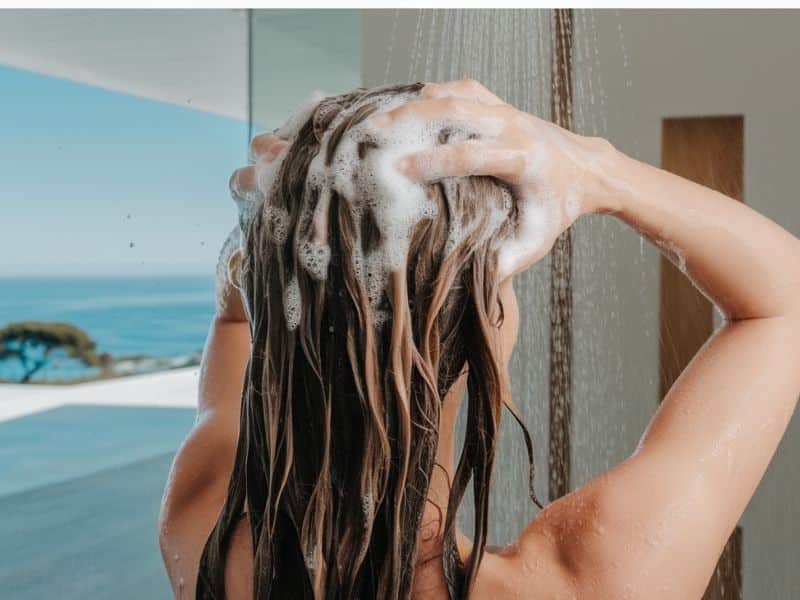
When my stylist first made me go sulfate-free I resisted like a toddler refusing bedtime. But she was right.
“Bleached hair needs cleansing without disturbance,” says colorist Reyna Soto, who works mainly with platinum clients. “Sulfates lift too aggressively in winter when the cuticle is already vulnerable. You want a shampoo that respects the color and the bonds underneath.”
Think of wash day like laundering a cashmere sweater — gentle hands only.
Shampoos Your Colorist Will Approve Of
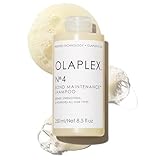
Olaplex No.4 Bond Maintenance Shampoo
We love it because: it cleans without the slightest squeak and strengthens bonds at the same time — a winter must-have for bleached strands.

Redken Acidic Bonding Concentrate Shampoo
We love it because: the low pH keeps the cuticle sealed, which means smoother, shinier, less fragile winter hair.
Follow your shampoo with a bond-building conditioner or weekly mask to slow down winter breakage before it even starts.
Step 2: The Weekly Mask Rotation — Your Winter Rhythm
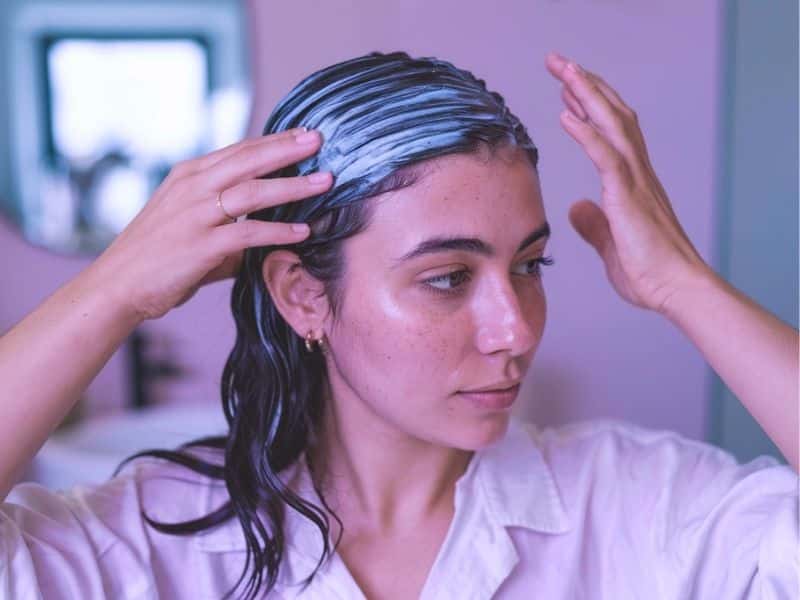
Listen, I get bored easily. Too many weeks with the same mask and my hair starts acting like it’s on strike. So here’s a stylist trick I adore:
- One week: Protein mask
- Next week: Moisture mask
This alternating pattern keeps your hair strong AND touchable — the winter unicorn combo.
“Protein is your scaffolding. Moisture is the insulation,” explains Anabel Kingsley — Consultant-trichologist of Philip Kingsley salons. “Most winter damage happens when one side is overdone and the other side is neglected.”
If your hair starts feeling stiff or squeaky, that’s too much protein.
If it goes soft and gummy, moisture has taken over.
Just switch sides and your hair usually recalibrates in a few days.
Masks That Match Your Hair’s Weekly Mood

Protein Week: Bold Uniq Boldplex 3 Bond Restore Treatment
We love it because: it brings strength back to bleached hair without the dreaded crunchy side-effects.

Moisture Week: Wella SP Luxe Oil Keratin Restore Mask
We love it because: it hydrates beautifully without weighing hair down, leaving ends soft, glossy, and cooperative.
Step 3: Daily (or Every Wash) Leave-In — The Invisible Winter Coat

Picture this: your hair leaves the house wearing a tiny puffer jacket. That’s what a lightweight leave-in is in winter — frizz control, slip, and protection in one tiny ritual.
“Leave-ins are the unsung heroes of winter hair repair,” says the Institute of Trichologists’ seasonal haircare guidance. “Especially for blondes. Their cuticles sit slightly raised, so friction builds faster. A light leave-in keeps things gliding instead of snapping.”
Leave-Ins That Keep Your Hair Sleek Outdoors

It’s a 10 Miracle Leave-In for Blondes
We love it because: it detangles instantly and protects from heat and friction — basically blonde insurance.
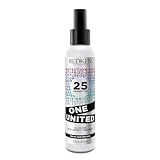
Redken One United Multi-Benefit Treatment
We love it because: it’s featherlight, layers well with every styling routine, and is the perfect winter slip-serum for fragile ends.
Step 4: Smart Heat Styling — Because We Are Not Saints
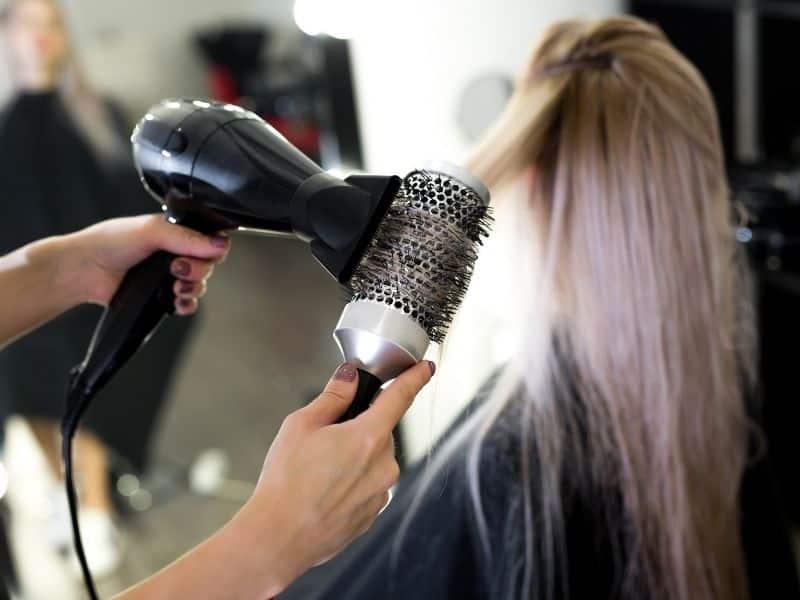
We all say we’ll stop using heat tools in winter… but then Friday arrives and suddenly we’re curling like nothing matters. Heat is totally fine as long as we’re thoughtful.
- Lower the temperature
- Use a proper heat protectant
- Limit hot tools to a few times a week
The difference is like baking cookies at 325 instead of 450. One gives you golden edges; the other gives you charcoal disappointment.
Products We Love

ghd Bodyguard Heat Protect Spray
We love it because: it’s ultra-fine, lightweight, and protects without leaving your hair stiff or coated.

Tresemmé Heat Defence Spray
We love it because: it’s a budget-friendly classic that consistently saves bleached ends from sizzling.
Step 5: Night Routine — Where Quiet Magic Happens

My hair finally stopped breaking in my sleep once I ditched that scratchy cotton pillowcase.
“Nighttime is when hair is most vulnerable because there’s no conscious movement control,” notes hairstylist Keisha Hart. “Silk doesn’t create the same friction, so blondes see fewer snapped ends.”
- A loose braid.
- A few drops of oil on the ends.
- A silk pillowcase.
It sounds simple, but this is the step clients swear makes the biggest difference the fastest.
Night Essentials We Love

Slip Silk Pillowcase
We love it because: it’s the closest thing to wrapping your hair in luxury without actually hiring a butler.
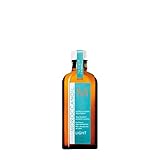
Moroccanoil Treatment Light
We love it because: two drops at night keep ends supple and shiny without weighing down fine or bleached hair.
Your Winter Hair FAQs
Can you actually repair severely damaged bleached hair
You can strengthen it dramatically but true repair happens inside the fiber “Bond-building is the fastest way to restore structure but nothing replaces a consistent routine” says Dr Kim
How often should I use protein on bleached hair
Most people thrive with once every 1–2 weeks If your hair feels rigid lighten up
Why does my hair feel gummy in winter
Classic moisture overload or weakened bonds. A protein mask or bond treatment usually snaps it back into structure.
Do I need different products in winter
Usually yes. Winter calls for slightly richer hydration and more cuticle support.
Strengthening bleached hair in winter doesn’t have to feel like a chore. Pair a gentle wash routine with alternating masks, a loyal leave-in, a touch of bond care, and a dreamy nighttime ritual, and your hair will genuinely start behaving like itself again — stronger, smoother, less dramatic.
Basically the winter version of you who finally bought a proper coat.
Found your perfect shade? We’d love to see it! Tag us on Instagram @coloredhaircare or Facebook and share your hair color stories. Looking for more hair care tips? Check out How to Look After Colored Hair: 11 Expert Secrets For Long-Lasting Color.

Our Research & Review Process
To ensure our recommendations are as comprehensive and reliable as possible, we’ve undertaken an extensive research effort.
We cite scientific evidence and journals, collect real user reviews and gather impartial perspectives from hair stylists, users, and experts in the field.
Additionally, we conduct hands-on testing by using products and applying hair dyes not only on our own locks but also on real human hair extensions and hair pieces of different hair type, textures and lengths.
This rigorous approach allows us to provide you with insights into which products genuinely live up to their promises.
As always – please consult with a professional hair colorist or stylist for advice on how to color your own hair at home. It’s different for everyone!