
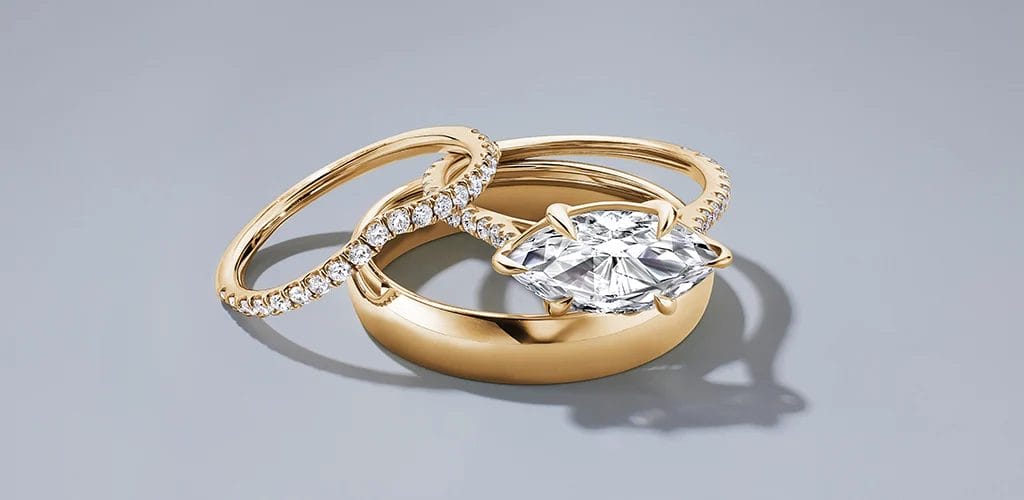

How Often Should You Clean Your Wedding Ring?
Daily wearers should treat ring care as a recurring habit: performing frequent, gentle at-home cleaning to prevent grime from building up, along with routine professional inspections to ensure settings and diamonds remain secure. The balance between DIY and pro work preserves both sparkle and long-term value.

How often should you clean your ring at home?
Most people clear visible oils and dirt with a quick soak and soft brush as part of their weekly routines, because once skin oils and lotion collect, the diamond stops reflecting light the way it used to. The simple test I use when advising shoppers is practical: if you can see residue in the pavilion facets or under the setting, it needs attention. For everyday maintenance, a gentle warm water soak with mild dish soap, a soft-bristled toothbrush, and careful drying removes the usual culprits without risking metal or fragile pavé. Avoid abrasive pastes and household bleach; they damage metals and weaken prongs.
What does a deeper at-home clean look like?
Once a month, do a slightly deeper clean: remove any removable bands, soak 10 minutes in a manufacturer-safe jewelry solution or a diluted ammonia mix designed for jewelry, then brush under settings and in crevices. Rinse thoroughly and dry with a lint-free cloth. This is where most people overcomplicate things; the goal is to remove trapped grime, not to aggressively polish metal. If your ring features porous diamonds, such as opals, pearls, or certain treated gems, skip the soaking step and instead wipe it with a damp cloth, as prolonged exposure to liquids and household chemicals can damage them.
When should you call a pro instead of cleaning yourself?
If you notice movement in a diamond, a bent prong, or persistent cloudiness that home cleaning does not remove, stop DIY and get a professional inspection from reputable jewelry stores, such as Whiteflash, James Allen, Blue Nile, Diamonds by Lauren, 47 Jewelry, or Enhoerning Jewelry. Professional cleaning is recommended every 6 months. Beard’s Diamonds presents that interval as the practical checkpoint jewelers use to catch loose diamonds, replace worn prongs, and address microscopic damage before it becomes lost. This matters because a small, unnoticed prong failure is how people suddenly find a missing diamond where they least expect it.
Why do some methods fail, and what breaks first?
This pattern appears across casual cleaners and active wearers: an aggressive cleaner, ultrasonic machine, or harsh chemical will work until the setting or a glued-in accent fails. Pavé and channel settings look great, but hide dirt in tiny gaps; ultrasonic cleaners can dislodge diamonds set with weaker glue or older solder. The failure mode is predictable, so your cleaning choice should match the ring’s construction. When in doubt, err on the side of restraint.

Most people rely on home cleaning because it is familiar and cheap, but that habit hides a hidden cost. Most owners clean at home because it takes five minutes and feels sufficient, which is fine until intricate settings and years of tiny knocks reveal themselves as loose diamonds or bent prongs. That slow degradation erodes both resale and sentimental value, creating real anxiety for owners who notice dulling or skin irritation. Solutions like PriceScope provide shoppers with an alternative route, pairing community-vetted how-tos with vendor recommendations and inspection checklists. This makes it easier to choose a cleaning cadence and a trusted jeweler that matches your ring’s design and lifestyle.
What small routine will protect value without adding hassle?
Treat ring care like basic car maintenance: perform quick washes regularly, schedule a periodic tune-up, and receive professional service on a predictable schedule. Keep a small kit with a soft brush, soap, lint-free cloth, and a labeled zip bag for storage during heavy work. When you remove your ring for exercise, dishwashing, or hand-intensive tasks, store it in the designated bag rather than a random pocket; it reduces knocks and the need for emergency repairs.
People become emotional about rings because they are both everyday objects and heirlooms, and that tension is reflected in the choices they make. It’s frustrating when buildup makes a ring look old after only a few weeks, and it’s terrifying to suspect a diamond might be loose. Knowing a practical, predictable cleaning rhythm removes that friction and restores confidence.
That routine sounds tidy, but the next part exposes the single cleaning mistake that ruins more rings than people expect.
Further Insights
How to Clean Wedding Rings
Cleaning wedding rings thoroughly means more than just a quick scrub; it involves matching the cleaning method to the metal and gemstones, and maintaining a reliable inspection routine so that minor issues never escalate into major problems. Many rings are safe for careful at-home care, but the goal is to preserve value and avoid aggressive fixes that cost more later.
Which metals need different handling?
Gold, platinum, and silver respond very differently to cleaning and wear. Gold alloys, especially 14k, are softer than they look and will show micro-scratches from abrasive polishes. Platinum moves under stress, which leaves a soft patina rather than a hard scratch, so polishing too often thins the piece. Silver blackens with sulfur exposure, so short, targeted cleaning and anti-tarnish storage make a huge difference. White gold’s rhodium coating requires occasional replating to restore its bright finish, so plan for this maintenance when budgeting for long-term care.

What about non-diamond gemstones?
Treat gemstones case by case. Hard gemstones like sapphire and ruby tolerate more vigorous cleaning, but porous or treated diamonds need restraint. Emeralds are often oil-treated and can become cloudy if repeatedly exposed to solvents, so avoid prolonged soaks and steam on these. Pearls, opals, turquoise, and vintage paste gems are delicate; they soften with moisture and chemicals, so using a damp cloth for surface wipes is the safer route. When a gem’s surface appears unusually dull after a gentle clean, that is usually a sign to stop and seek a jeweler, rather than escalating your DIY effort.
How can you check settings without risking the ring?
Use a 10x loupe and a steady hand under bright daylight, then photograph the setting against a plain white background for comparison later. Look for slight gaps between the prong tips and the diamond’s girdle, as well as grit packed under pavé or filigree. Gently press the diamond with your fingertip only if the setting is robust; any sideways play or an odd angle is a clear indication that a professional inspection is needed. This low-effort check reduces the anxiety owners report when the sparkle suddenly feels gone, as you know whether the problem is due to dirt or something structural.
What professional techniques are worth borrowing at home?
Microfiber polishing cloths, pegwood sticks wrapped in soft fabric for crevice work, and non-abrasive jeweler’s creams allow you to remove surface grime without thinning metal. Pros use diluted steam to displace stubborn dirt, but this requires training and a controlled tool, so do not attempt to replicate it at home for anything with glued-in accents or fragile mounts. If you want a low-risk upgrade to a household toolkit, consider adding a jeweler’s loupe, a soft-bristled brush specifically labeled for jewelry use, and a small, labeled container to store spare prongs or loose diamonds in case you ever need to remove them for repair.
Why does the way people handle care today create hidden costs?
Most owners default to cleaning at home because it is familiar and immediate, which makes sense, considering that over 80 percent of people clean their wedding rings at home using household products, according to Forbes. However, inconsistent methods and vendor selection can lead to fragmented outcomes over time. That habit hides a steady erosion of finish and occasional lost accents, and the cost of a careless repair often outweighs the cost of preventive professional work, since a professional cleaning can cost between $25 and $50 per session, according to Forbes. Platforms like PriceScope change that equation by centralizing vendor reviews, inspection checklists, and before-and-after galleries, allowing you to match the right professional to the exact work your ring needs and avoid paying for unnecessary or risky procedures.
How should you treat antique or fragile settings?
Antique rings often have soldered repairs, fragile filigree, and old adhesives that modern cleans can upset. When you own a ring with visible repairs, micro-holes, or thin prongs, treat it with the same care as a delicate instrument, not a modern wearable. Avoid immersion and prefer spot-cleaning, photographic documentation, and a conservator-grade inspection. Many jewelers offer stabilization work, such as micro-soldering or re-tipping, that preserves appearance while preventing future loss, and those services should be weighed against the sentimental and market value of the piece.
A short, practical analogy to keep in mind
Think of professional care like a scheduled tune-up for a precision watch, not a dramatic overhaul. It keeps moving parts aligned and prevents small failures that are expensive to fix.
That simple, steady approach helps you preserve both sparkle and value, but the next section reveals the single common mistake that wrecks more rings than owners expect.
