

Vaer (California)
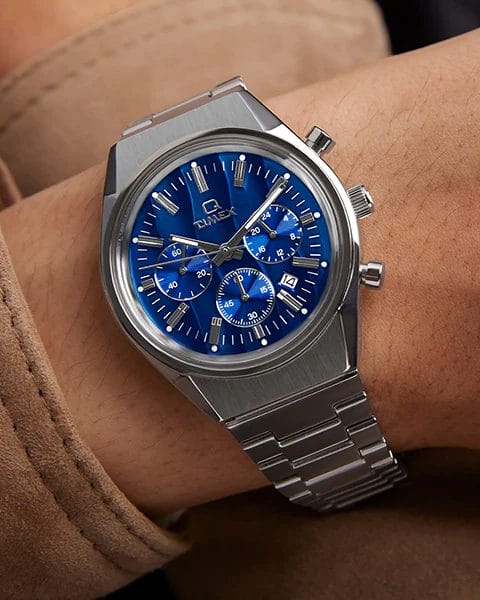
Founded in 2016, Vaer is a California-based brand emphasizing American assembly, ocean-ready durability, and minimalist design. Its D5 Diver, A5 Field, and C3 Tradition models feature Swiss or Japanese movements, sapphire crystals, and strong water resistance. Many models are assembled in the U.S., giving Vaer a genuine domestic manufacturing footprint.
Built for outdoor lifestyles, Vaer watches embody the California spirit — functional, cleanly designed, and made to be worn hard without losing refinement.
Martenero (New York)
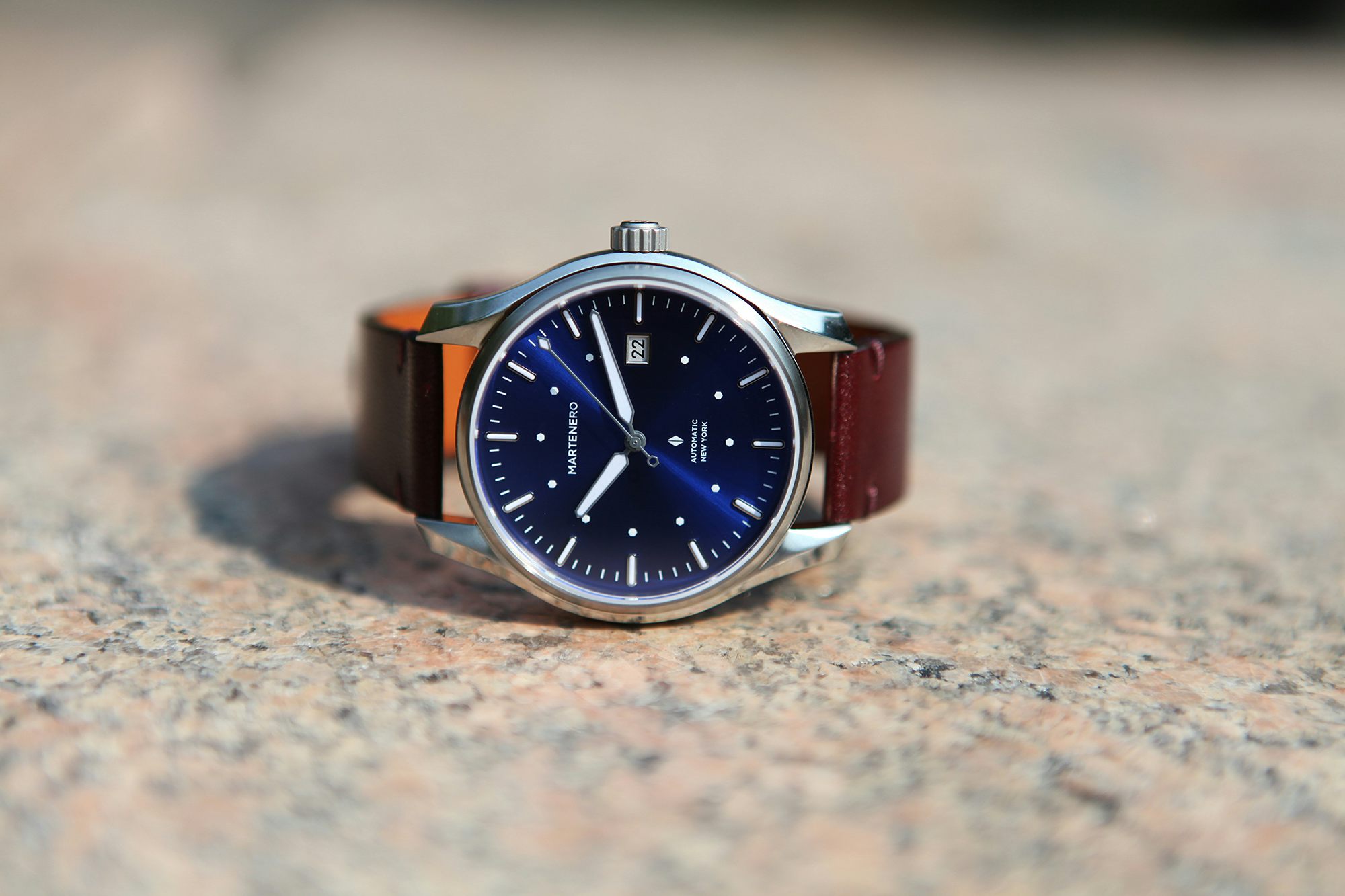
Martenero, founded in New York City, offers modern interpretations of classic designs with colorful dials and mechanical movements. Watches such as the Founder, Ace, and Edgemere Reserve blend urban style with accessible pricing. The brand’s emphasis on individuality and modern design makes it popular among first-time mechanical watch buyers.
Brew Watch Co. (New York)
Brew Watch Co. brings creativity and personality to American microbrand design. Founded by industrial designer Jonathan Ferrer, Brew’s watches draw inspiration from coffee culture and café aesthetics — rounded cases, compact sizes, and warm tones. Models like the Metric Chronograph and Retromatic are affordable, stylish, and instantly recognizable.
Brew’s design language stands out in an industry often dominated by tradition. Its focus on community, individuality, and design-first thinking captures the entrepreneurial spirit of modern American watchmaking.
Affordable American brands like Timex, Vaer, Martenero, and Brew Watch Co. demonstrate that craftsmanship and thoughtful design are not limited to luxury price tags. Each one blends accessibility with originality — proof that the American watch industry continues to deliver value, creativity, and durability for every type of wearer.
Luxury and Collector-Grade American Watchmakers
While many American brands focus on affordability and design accessibility, a select group of watchmakers is elevating U.S. horology into the realm of fine craftsmanship and collectible artistry. These independent manufacturers operate in small workshops, producing limited quantities with meticulous attention to mechanical detail and finishing. Their work demonstrates that American watchmaking can rival the finest European traditions in both quality and innovation.
RGM Watch Company (Lancaster, Pennsylvania)
RGM remains the cornerstone of American haute horlogerie. Founded in 1992 by watchmaker Roland G. Murphy, the company produces handmade watches using traditional techniques such as guilloché engraving, beveled bridges, and hand-adjusted escapements.

RGM is one of the very few brands manufacturing mechanical movements entirely in the United States. Its Caliber 801 series and Pennsylvania Tourbillon showcase the pinnacle of American craftsmanship — movements designed, machined, and assembled in Lancaster with precision equal to Swiss independent ateliers. Each watch is built to order, emphasizing quality over quantity and preserving the legacy of Pennsylvania’s historic watchmaking roots.
Weiss Watch Company (Los Angeles, California)
Although Weiss appears earlier in this guide as a modern independent, its commitment to mechanical purity and in-house production also earns it a place among America’s true luxury watchmakers. Founder Cameron Weiss crafts each movement by hand, manufacturing many key components domestically and finishing every detail in Los Angeles.
The Weiss Standard Issue Field Watch and 38mm Automatic models are widely respected among collectors for their restrained design and genuine American build quality. Each watch demonstrates a rare dedication to mechanical artistry within the U.S. market — handcrafted, low-volume, and timelessly designed.
Keaton Myrick (Oregon)
Operating a small atelier in Oregon, Keaton Myrick is one of America’s few bespoke watchmakers producing entirely handcrafted mechanical timepieces. His watches — such as the 1 of 30 series — are individually built, finished, and engraved by hand, featuring hand-frosted plates, polished bevels, and deeply engraved serial numbers.
Myrick’s work represents the highest echelon of modern American watchmaking: completely independent, produced in extremely limited numbers, and regarded internationally for its artisanal quality.
MK II Watches (Pennsylvania)
MK II, founded by Bill Yao, bridges tool-watch authenticity and collector-grade execution. Specializing in recreations and reinterpretations of military and diving watches, MK II combines vintage-inspired design with modern materials and rigorous assembly standards. Each model is carefully finished, with movements tested and regulated in the U.S.
Collectors appreciate MK II’s attention to detail and honest approach to production — small batches, reliable mechanics, and an unwavering focus on functional excellence.
These makers — RGM, Weiss, Keaton Myrick, and MK II — form the upper tier of American horology. They craft watches not for mass appeal but for connoisseurs who value heritage, precision, and individuality. Their work restores the artistry once synonymous with early American watchmaking, proving that the nation’s tradition of innovation and craftsmanship remains alive at the highest level.
Why American Watch Brands Matter
American watch brands occupy a unique space in global horology — one defined not by imitation, but by innovation, practicality, and independent thinking. While Swiss and Japanese manufacturers have long dominated the industry, American brands have continually found ways to challenge conventions, blending mechanical heritage with modern creativity and design freedom.
A Legacy of Innovation
The United States played a pioneering role in transforming watchmaking from an artisanal craft into a scalable industry. During the 19th century, companies such as Waltham, Elgin, and Hamilton introduced mass production and interchangeable parts — revolutionary concepts that influenced manufacturing worldwide. These innovations made accurate, reliable timekeeping accessible to everyday people long before the quartz revolution.
Even in modern times, American brands continue to embody that spirit of innovation. From Bulova’s Accutron, which introduced electronic tuning fork technology, to Vortic’s creative restoration of antique movements using 3D printing, American watchmakers have consistently sought new solutions that combine tradition with technology.
Design Integrity and Practicality
American watch design has always favored clarity, functionality, and durability — qualities shaped by practicality rather than extravagance. Whether it’s the clean utility of a Hamilton Khaki Field, the minimalist versatility of Vaer, or the retro charm of Timex, U.S. brands tend to prioritize purpose and usability over ornate decoration.
This philosophy gives American watches a distinctive aesthetic: modern, honest, and approachable. It reflects the same ethos that defines broader American design — an emphasis on craftsmanship that serves the wearer, not the display case.
The Modern Revival of Craftsmanship
Over the past decade, the resurgence of domestic watchmaking has become a source of pride for both collectors and makers. Independent ateliers such as RGM, Weiss, and Keaton Myrick are restoring the tradition of local craftsmanship, producing mechanical watches in small numbers with remarkable skill and transparency.
Their success represents more than nostalgia — it’s a reawakening of American technical artistry. As more consumers seek authenticity and locally made goods, these brands demonstrate that fine watchmaking can thrive outside Switzerland, driven by creativity, innovation, and integrity.
Cultural and Symbolic Value
American watches also carry cultural meaning. They symbolize entrepreneurship, self-reliance, and resilience — qualities deeply embedded in the nation’s identity. From the pocket watches that helped synchronize railroads to the field watches worn by soldiers, American timepieces have always reflected moments of progress and purpose.
Owning an American-made or American-designed watch is, in many ways, a celebration of that legacy — a reminder that innovation and craftsmanship remain at the heart of the country’s story.
What to Consider When Buying an American Watch
The resurgence of American watchmaking has created an exciting and diverse market — from heritage reissues and microbrands to handmade mechanical pieces. However, “American-made” can mean different things depending on a brand’s structure and sourcing. Understanding what defines authenticity, craftsmanship, and long-term value will help you make a confident and informed purchase.
Level of American Production
Few watch brands produce every component domestically. Some, like RGM and Weiss, manufacture or finish parts in the U.S., while others, such as Shinola or Vaer, assemble watches from imported movements and components. When a brand claims to be “American-made,” check how much of the design, manufacturing, and assembly process takes place within the United States.
- Assembled in the U.S.: Movements sourced internationally but casing, testing, and assembly completed domestically (e.g., Shinola, Vaer).
- Partially Manufactured in the U.S.: Some components or finishing processes done locally (e.g., Weiss).
- Fully Manufactured in the U.S.: In-house movement design and production, rare but achieved by RGM and independent artisans such as Keaton Myrick.
Knowing where and how your watch is built helps you appreciate both the craftsmanship involved and the brand’s transparency.
Purpose and Lifestyle
American watch brands cater to a wide range of lifestyles — from everyday field watches to refined dress models. If durability and versatility matter most, brands like Timex or Vaer are ideal. For collectors seeking artistry and heritage, RGM or Vortic may be more suitable. Defining your priorities — daily wear, special occasions, or collecting — ensures the right balance of design and function.
Movement Type
Mechanical and quartz movements both have their merits. Mechanical watches (automatic or hand-wound) offer traditional craftsmanship and long-term serviceability, while quartz options deliver precision with minimal maintenance. Some American brands, such as Weiss, offer both types, appealing to different preferences and price points.
Design Philosophy
American watches tend to emphasize functional beauty — clean lines, legibility, and purpose-driven design. Brands like Oak & Oscar and Brew Watch Co. have redefined what modern American design can look like: creative, approachable, and rooted in authenticity. Consider whether you prefer a vintage-inspired style or a contemporary aesthetic before choosing.
After-Sales Support and Service
Reliable servicing is essential for any mechanical watch. Brands such as RGM, Weiss, and Timex maintain U.S.-based service facilities, which can significantly simplify maintenance compared to overseas servicing. Before purchasing, review warranty coverage, turnaround times, and part availability to ensure long-term ownership confidence.
Price and Value
American watches span an enormous price spectrum — from $150 Timex models to RGM tourbillons costing tens of thousands. Establish a clear budget and research what each price tier offers in terms of materials, movement quality, and production origin. The best American brands are transparent about what justifies their pricing, allowing buyers to make informed, value-driven decisions.
A thoughtful approach to buying an American watch starts with clarity — understanding what “American-made” truly means, evaluating craftsmanship, and selecting a watch that aligns with your lifestyle. Whether it’s a field-ready Vaer or a handcrafted RGM masterpiece, each piece tells a story of innovation, independence, and enduring pride in American craftsmanship.
