


When I first got hooked on vibrant hair color (think dusty rose, cherry red, smoky bronde), I spent hours in salons and dropped serious cash on “color-preserving” products. And yet — just a week later — my pink faded to peach, the texture felt crispy, and the shine was nowhere to be found. Sound familiar?
You’re investing time and money into your hair color. So why does it still look flat, dry or faded within days? Many of us unknowingly sabotage our color with the very routines meant to protect it. It’s not about magic formulas — it’s about small missteps that quietly break down pigment, texture, and shine.
Below, I’m unpacking five common color-care mistakes (with expert insights) — and showing you the easy switches that can bring your hair back to life.
1. You’re Using Shampoo With Sulfates (Even the “Fancy” Ones)
It sounds backwards — “a salon shampoo must be gentle” — but many still contain sulfates (like sodium laureth sulfate) for lather and deep cleansing. Sulfates don’t just strip oils; they can also pull pigment out of color-treated hair.
As Dr. Melanye Maclin, a dermatologist who specializes in hair and scalp health, explains, “Harsh surfactants can cause pigment leaching from color-treated hair, especially with repeated use.” Even high-end products can sneak in strong detergents under names like SLS or SLES — so don’t let the branding fool you.
What to do instead: Reach for sulfate-free, pH-balanced shampoos labeled “safe for color-treated hair.” These cleanse without opening the cuticle too aggressively. Limit washing to two or three times a week, and always condition after. Clarifying shampoos are fine occasionally — like before a color session — but they’re too harsh for daily use.
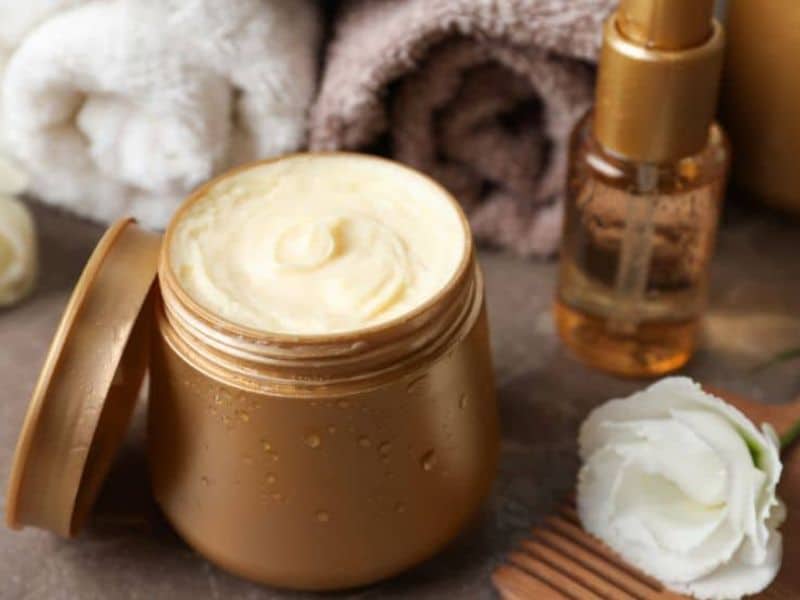
2. You Skip Deep Conditioning (Or Use the Wrong Kind)
Coloring lifts the hair’s cuticle to let pigment in — but that also makes it more vulnerable to moisture loss and damage. Without proper conditioning, your strands can become dry, brittle, and prone to snapping.
“Protein and moisture must walk hand in hand,” say many haircare experts. Translation? Your hair needs both structural support and hydration.
Use a deep treatment mask once a week, alternating between protein-rich (think keratin or silk proteins) and moisture-heavy (with oils and humectants).
Pro tip: After applying your mask, wrap your hair in a warm towel or use a cap under low heat for 15–20 minutes. That heat helps open the cuticle slightly so the mask can sink in more deeply before you rinse.

3. You’re Not Protecting From Heat or UV Damage
Here’s something a lot of people forget: once you color your hair, it becomes more sensitive to outside stress. Hot tools (flat irons, curling wands, blow dryers) lift the cuticle — and that’s prime time for pigment to escape.
Sunlight can also break down dye molecules, especially reds and pastels.
The American Academy of Dermatology recommends using a heat protectant every time you use hot tools — and colorists agree. And don’t forget UV damage: wear a hat when outdoors or spray on a UV-protectant leave-in, especially in sunny months.
Lowering your tool’s heat setting by just 40–50°F can make a big difference over time. Even better? Let your hair air-dry when you can.
Don’t Skip This Step:
Always apply a heat protectant before styling and use a UV-shielding leave-in or hat on sunny days. Less heat = longer-lasting color, guaranteed.

4. You’re Coloring Too Often (Or Overlapping Touch-Ups)
Every time you reapply permanent color — even to just your roots — there’s a risk of overlapping onto already-colored hair. That can lead to buildup, banding (those uneven dark lines), and long-term breakage.
Celebrity colorist Rita Hazan warns against frequent full-color jobs, saying, “Too much color causes dullness and damage.” Instead, she recommends using glosses or toners in between major color appointments to refresh your shade without fully reprocessing it.
If you’re coloring at home, be super careful to only apply dye where it’s needed. And if you’re going to the salon, ask about techniques like root smudging or balayage to soften regrowth without constantly overlapping color.
Try This Instead:
Stretch out your color appointments and ask for a gloss or toner in between. Skip the overlap — your ends don’t need more dye.

5. You’re Ignoring Your Hair’s Porosity (It Affects Everything)
Here’s the underrated factor that impacts everything from shine to fading: hair porosity, or how easily your hair absorbs and holds onto moisture and color.
According to Redken, porosity determines how “open” or “tight” your cuticle layers are. Highly porous hair (often from bleach, heat, or age) soaks up color quickly but also loses it fast.
Wella’s professional team emphasizes that porous hair is harder to tone evenly and fades much more quickly.
Not sure your porosity? Try this:
- Drop a clean strand of hair into a glass of water. If it sinks fast, you likely have high porosity. If it floats, it’s probably low.
- Or spritz your hair with water — does it soak in instantly or bead up on top?
Once you know your porosity, you can tailor your routine:
- High porosity: Use rich masks, sealing oils, and protective styles to lock in moisture and pigment.
- Low porosity: Stick to lightweight, water-based products and use gentle heat to help them absorb.
- Either way, your hair will respond better when it’s getting what it actually needs — not just what looks pretty on a shelf.
How to Build a Color-Safe Routine That Actually Works
Let’s put this all together into a simplified, science-backed routine you can actually stick to.
1. Gentle cleansing
Use sulfate-free, color-safe shampoos two to three times a week. Try to focus the lather at the scalp and avoid scrubbing mid-lengths and ends.
2. Weekly deep treatments
Alternate between a protein mask and a moisture mask, or choose a hybrid. Apply with heat and rinse with cool water to seal in benefits.
3. Daily protection
Always use heat protectants before styling. On sunny days or beach trips, layer in UV-protectant leave-ins or wear a hat.
4. Smart coloring
Avoid overlapping dye. Refresh your tone between appointments with glosses, glazes, or demi-permanent options that are less damaging.
5. Porosity-matched care
Adapt your products to your porosity. High porosity needs sealing and rich hydration; low porosity does better with light layers and heat-assisted absorption.
Most of all: be consistent, not perfect. Hair color doesn’t require a 10-step routine — just a few smart moves you make on repeat.
Your Hair Deserves Better (And So Do You)
If you spotted yourself in one or two (or five) of these mistakes — you’re not alone. The good news is, these habits are easy to fix, and the payoff is real. With the right shampoo, a better mask, or just a break from heat, your color can stay rich and your strands can feel strong again.
Your hair color shouldn’t feel like a race against the clock. Start with one small switch today — and watch your glow-up begin.
Found your perfect shade? We’d love to see it! Tag us on Instagram @coloredhaircare or Facebook and share your hair color stories. Looking for more hair care tips? Check out How to Look After Colored Hair: 11 Expert Secrets For Long-Lasting Color.

Our Research & Review Process
To ensure our recommendations are as comprehensive and reliable as possible, we’ve undertaken an extensive research effort.
We cite scientific evidence and journals, collect real user reviews and gather impartial perspectives from hair stylists, users, and experts in the field.
Additionally, we conduct hands-on testing by using products and applying hair dyes not only on our own locks but also on real human hair extensions and hair pieces of different hair type, textures and lengths.
This rigorous approach allows us to provide you with insights into which products genuinely live up to their promises.
As always – please consult with a professional hair colorist or stylist for advice on how to color your own hair at home. It’s different for everyone!

