The birthstone of February is the stunning Amethyst. In this article, veteran-jeweler Afshin Shaddaie, will teach you everything that you need to know about this gorgeous birthstone, especially regarding making a purchase.
Skip straight to our insider hacks for getting the best amethyst jewelry.
What is the Birthstone for February?
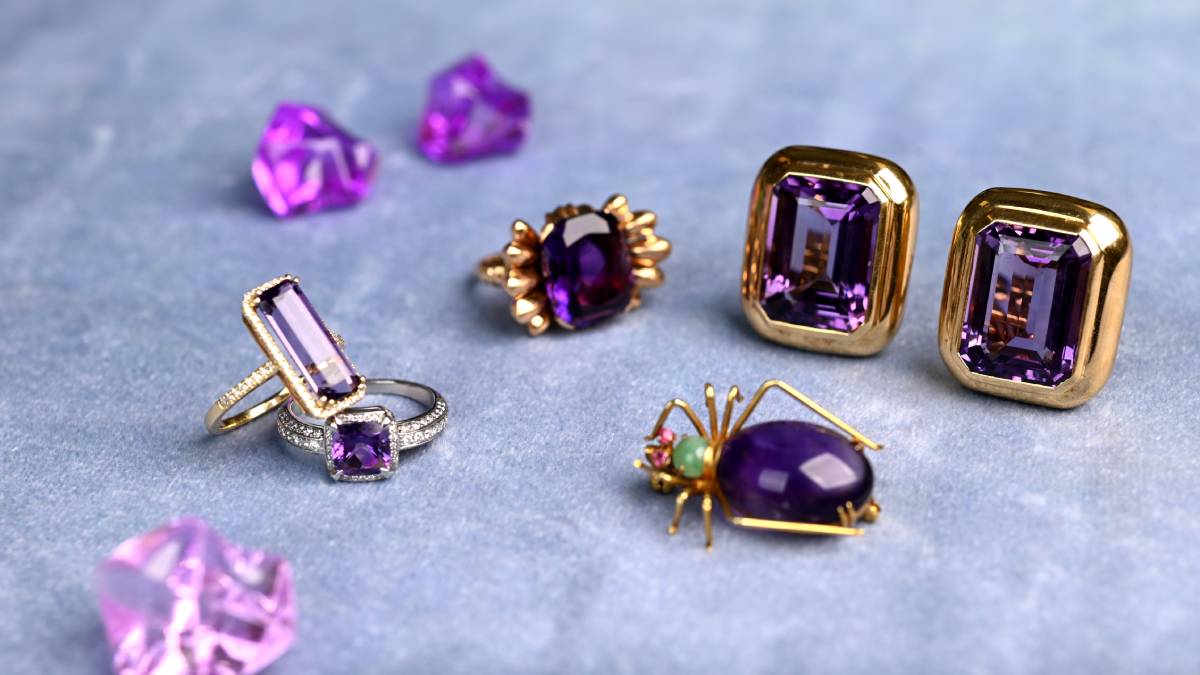
The birthstone for February is amethyst, a striking purple gemstone prized for its rich color and long history in fine jewelry. For centuries, amethyst has been associated with clarity, protection, and royalty, making it one of the most recognizable birthstones in the world.
Today, it remains a popular choice for February jewelry gifts, especially in rings, pendants, and bracelets. It is also very common in vintage and antique jewelry.
What Serious Buyers Want From Amethyst
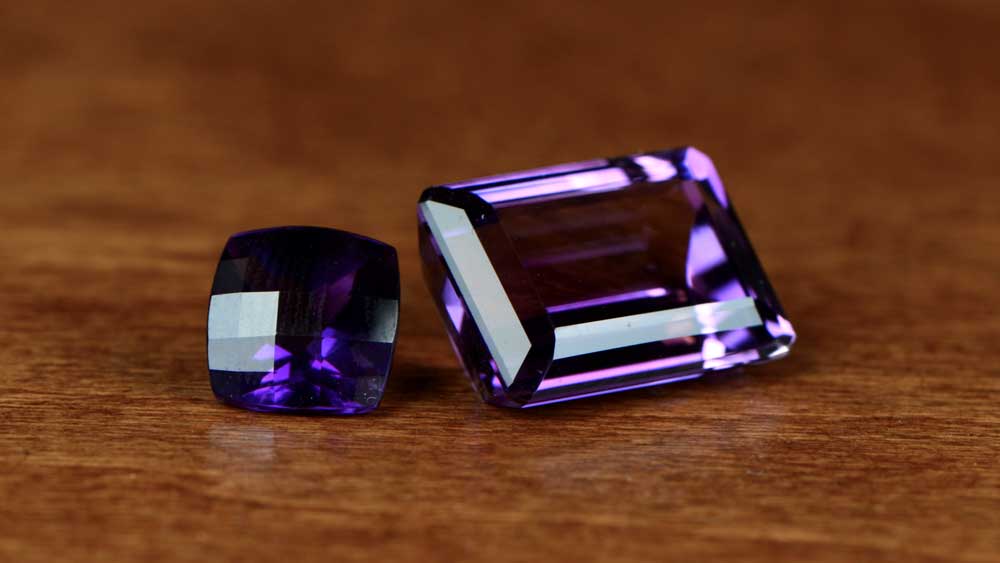
Serious buyers do not view amethyst as simply a colorful February birthstone. In the fine jewelry world, the true value of amethyst comes down to selecting the right example, because while the gemstone is widely available, only a very small portion of it displays the rich saturation and elegance that belongs in high-quality jewelry.
Important: The finest amethysts show deep royal purple color with subtle red or blue flashes, while lighter commercial stones can appear ordinary and lack lasting visual impact.
Just as importantly, experienced buyers understand that amethyst is often most impressive not as a loose gemstone, but as part of a well-made jewelry piece. A beautifully crafted ring, pendant, or necklace can elevate amethyst into something far more meaningful and collectible, especially in antique or estate settings where craftsmanship and historical character add another layer of value.
While amethyst is not typically considered an investment gemstone in the way sapphires or emeralds are, exceptional stones can still hold strong desirability and long-term significance.
Shop February Birthstone Jewelry
Looking for amethyst birthstone jewelry? Feel free to browse our stunning collection.
Complete Guide to Buying the Amethyst Birthstone Gemstone

There are 4 primary factors that need to be understood in order to ensure that you’re buying a quality amethyst birthstone for the right price. Expert jeweler Benjamin Khordipour G.D., collaborated in this section.
1. Amethyst Color Standards
Color is the single most important factor that determines the value of an amethyst.
While many people think of amethyst simply as a purple gemstone, serious buyers understand that the market separates ordinary commercial material from fine jewelry-grade stones almost entirely by color richness.
The most desirable amethyst displays a deeply saturated dark-purple or a dark reddish-purple, but not so dark that it reduces the brightness of the gemstone.
And on the opposite extreme. Pale lavender stones, grayish-purple tones, or overly brownish hues are far more common and typically carry much lower value because they lack visual intensity.
Just as important is the balance of tone and evenness of color throughout the gemstone. Premium amethyst should appear richly saturated without becoming so dark that it looks inky or loses brilliance in normal lighting.
Buyers should also watch for color zoning, where areas of the stone appear lighter or uneven, since this can reduce both beauty and price. In practice, the difference between an inexpensive amethyst and an exceptional one is not the name of the gemstone, but whether its color is strong, balanced, and unmistakably fine.
Expert Hack: The easiest way to check for color-quality in an amethyst is to examine it from the back of the gemstone.
2. Cut Quality and Light Performance
Cut quality is one of the most overlooked drivers of beauty and value in amethyst, especially for serious buyers.
Because amethyst is widely available in many sizes, the difference between an ordinary stone and a fine one is often not the material itself, but how well it has been cut.
A high-quality cut maximizes brilliance by allowing light to enter the stone, reflect internally, and return evenly to the eye. Well-proportioned amethyst will appear lively, bright, and richly colored, while poorly cut stones can look flat or dull even when the color is strong.
Buyers should be especially cautious of common cutting issues such as “windowing,” where the center of the gemstone looks see-through or empty because light passes straight through rather than reflecting back. Symmetry, facet alignment, and polish also matter, as they affect the sharpness and overall elegance of the stone’s appearance.
In fine jewelry, a beautifully cut amethyst can elevate the gemstone far beyond its modest reputation, while a poorly cut one will always look commercial, regardless of carat size.
3. Clarity and Eye-Clean Inclusions
Clarity is an important quality factor in amethyst, although it is usually secondary to color and cut.
Unlike gemstones such as emerald, where inclusions are expected, fine amethyst is typically valued most when it appears clean and transparent to the naked eye. Serious buyers generally look for “eye-clean” stones, meaning no inclusions or internal features are visible without magnification. A clear amethyst allows light to travel freely through the gemstone, enhancing brilliance and helping the rich purple color appear brighter and more refined.
Easily visible inclusions, cloudiness, or fractures can significantly reduce both beauty and value, especially in larger stones where imperfections will be easier to detect.
While minor natural inclusions may still be present, the market strongly favors amethyst that looks crisp, open, and luminous rather than hazy or heavily included.
Important Note: Certain sources, particularly in Africa, are known to produce amethyst with more natural inclusions, and buyers often allow greater clarity tolerance for Zambian amethysts because of its reputation for richer color.
4. Carat Weight and Size
Carat weight influences the price of amethyst, but not in the dramatic way seen with rare gemstones like sapphire or ruby.
Because amethyst is relatively abundant and is often found in large crystal formations, high-carat stones are widely available on the market. This means that size alone does not create rarity, and buyers can often purchase impressive-looking amethyst gemstones without the exponential price increases associated with more scarce colored stones.
For serious buyers, the key is understanding that a large amethyst is only valuable if its color and cut remain strong at that size.
That said, carat weight still plays a role when combined with exceptional quality. Large amethysts with deep, richly saturated royal purple color and excellent cutting are less common than commercial-grade oversized stones.
“Generally, once a gem-quality amethyst reaches around 10 carats, I’ve noticed it begins to attract an extra level of attention,” says Afshin Shaddaie. “Below that range, most stones are still viewed within the same general category, and the focus remains primarily on the strength and richness of the color.”
Understanding the Origin and Source Reputation of Amethyst
Origin can play a supporting role in the value and desirability of amethyst, particularly for serious buyers who want to understand where the finest color is typically found.
While amethyst is not an origin-driven market in the same way as Kashmir sapphire or Colombian emerald, certain sources have developed reputations for producing stones with deeper saturation, cleaner appearance, or more consistent quality.
In many cases, origin is less about formal certification and more about the trade’s general expectations, with buyers often using source as an additional indicator when evaluating overall beauty.
- Brazil is the most common commercial source and produces a wide range of material, from pale to fine-quality purple.
- Zambia is often associated with richer, deeper violet tones, sometimes with slightly more inclusions tolerated due to its strong color reputation.
- Uruguay is known for producing highly saturated stones, frequently with excellent brightness and appeal.
- “Siberian” amethyst is a historical trade term referring to a premium reddish-purple color standard, rather than a guarantee of modern Russian origin.
As mentioned before, origin is a secondary consideration, with serious buyers placing far more weight on color, cut, and the quality of the gemstone.
Jewelry Gift Options for February Birthstone
Amethyst jewelry offers a wide range of meaningful gift options for February birthdays. For many buyers, classic pieces such as amethyst pendants, earrings, or rings provide a refined and wearable way to celebrate the birthstone without requiring an extravagant investment. The gemstone’s natural affordability also allows shoppers to choose larger or more visually striking designs than would be possible with rarer colored stones, making it an especially attractive gift for someone who loves bold color.
For more serious or high-end gifting, amethyst becomes most impressive when set in fine craftsmanship or vintage jewelry.
Antique-style cocktail rings, diamond-accented amethyst pieces, and estate jewelry designs often elevate the stone into something far more distinctive and collectible. Because amethyst has such a long history in royal and classical jewelry, it is particularly well suited to heirloom-style gifts that feel personal, substantial, and timeless rather than purely trendy.
Insider Hacks for Buying February Birthstone Jewelry
We’ve been in the jewelry industry for over 40 years. Here’s our top pieces of advice for someone who is serious about buying February birthstone jewelry.
- Accurate Lighting. Always judge amethyst in normal lighting, not showroom spotlights. Many amethysts look rich under intense lighting but appear flat or gray in everyday conditions.
- Focus on perfect color. Buy color first, not size. A smaller stone with deep royal purple color will always look more refined than a large pale amethyst.
- Avoid dark amethyst. Dark amethysts will lose brilliance. If the stone looks inky indoors, it is too dark and will not perform well in jewelry.
- Nuance with Siberian amethyst. Do not overpay for the word “Siberian”. This is a color descriptor, not a guarantee of origin or rarity.
- Old amethysts are better. Estate and vintage pieces usually offer better value than new retail. Older pieces often feature heavier gold, better hand-finishing, and stronger design character.
- Avoid dyed or heavily treated stones. Natural color is the baseline expectation for serious buyers.
- Avoid Cheap Settings. Poor metalwork, sloppy craftsmanship, and thin prongs will undermine the entire look.
Care, Cleaning, and Storage of Amethyst Jewelry
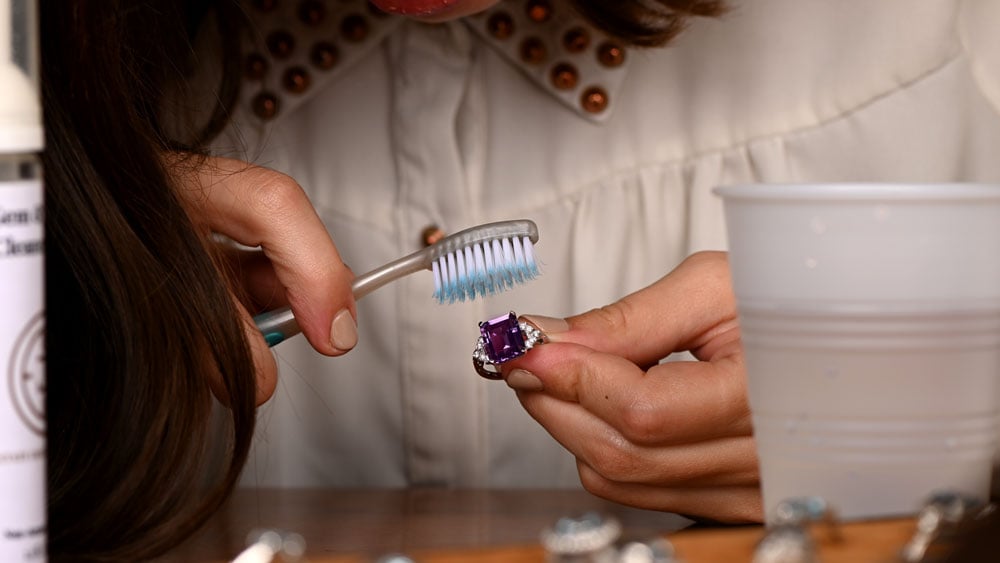
Proper care is essential for preserving the beauty of amethyst jewelry over time, especially for buyers who plan to wear it regularly. Although amethyst has a respectable hardness of 7 on the Mohs scale, it can still be vulnerable to chipping or abrasion if exposed to rough contact, particularly in rings.
Additionally, gentle cleaning is always recommended, using warm water, mild soap, and a soft brush to remove everyday oils and residue. Harsh chemicals, steam cleaners, and ultrasonic machines should generally be avoided, as they can stress the stone or damage certain settings.
Storage is equally important, since amethyst can be scratched by harder gemstones such as sapphire or diamond if kept together. Ideally, amethyst jewelry should be stored in a soft pouch or separate compartment within a jewelry box.
Consult with an Expert Jeweler
Looking to buy February birthstone jewelry? Send us a message. We will respond within one business hour.